

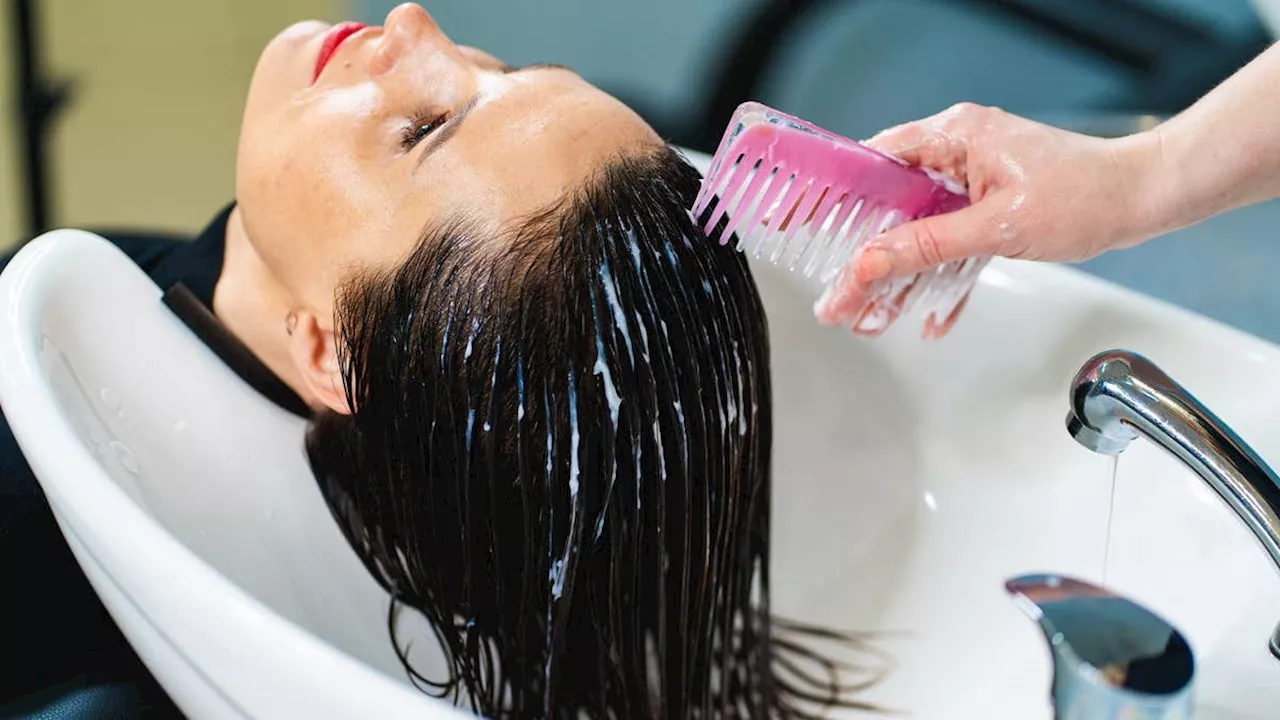
Stylists are recommending a technique known as "reverse hair washing" to help those struggling with dry, brittle hair. By applying a nourishing mask before the shampooing process, individuals can protect their hair from the drying effects of cleansing.
How Wilma Sortino’s 'reverse hair washing' protects brittle ends
The "reverse hair washing" technique is designed to provide deep nourishment to hair that feels lifeless or unmanageable. according to the report, the method involves applying a hair mask to the mid-lengths and ends of the hair before you even step into the shower to shampoo.
Hairstylist and hair health expert Wilma Sortino explains that this method strikes a balance between cleansing and hydration. By applying the mask to dry hair as a pre-wash treatment, the product coats the hair cuticle. This creates a protective barrier that shields the hair shaft from water damage and the friction caused by shampooing, which can otherwise lead to split ends and breakage.
The difference between a conditioning mask and water-repelling oil
A hair mask serves a distinct purpose in a hair care routine compared to traditional oils. While many people reach for oils to fix dryness, the report clarifies that masks and oils function differently within the hair structure.
A pre-shampoo mask is primarily intended to deliver softness and conditioning to the hair fibers. In contrast, hair oil is better suited for repelling water and preventing the hair shaft from swelling. As the report notes, a mask provides a layer of protection during the wash, but it may not offer the same heavy-duty, water-repellent properties that a dedicated hair oil provides. Understanding this distinction is key to building a routine that addresses specific hair needs rather than just adding more product.
Why slathering on extra oil might actually weigh your hair down
A common mistake in hair care is the "more is more" approach, particularly when it comes to using oils to speed up repair. One hairstylist mentioned in the report warns that slathering on extra hair oil does not actually speed up the repair process; instead, it can make the hair difficult to wash and leave it feeling heavy.
To avoid these issues, experts suggest a more targeted application strategy.
- Apply oils strictly to the mid-lengths and ends to avoid a greasy scalp.
- Use only a small amount to prevent the hair from becoming unmanageable.
- Keep heat styling to a low temperature to avoid further damage.
Which specific mask formulas and timings are best for this method?
While the "reverse hair washing" technique offers clear benefits for shine and elasticity, several practical details remain unaddressed in the current reporting. It is currently unclear which specific types of masks—such as protein-based versus moisture-based formulas—are most effective for this pre-wash application.
Additionally, the source does not specify how long the mask should be left on the hair before shampooing, nor does it name the specific pharmacist or hairstylist who provided warnings about the hair's natural protective barrier. Without these specific details, users may need to experiment to find the exact timing and product combination that works for their specific hair texture.
Comments 0