

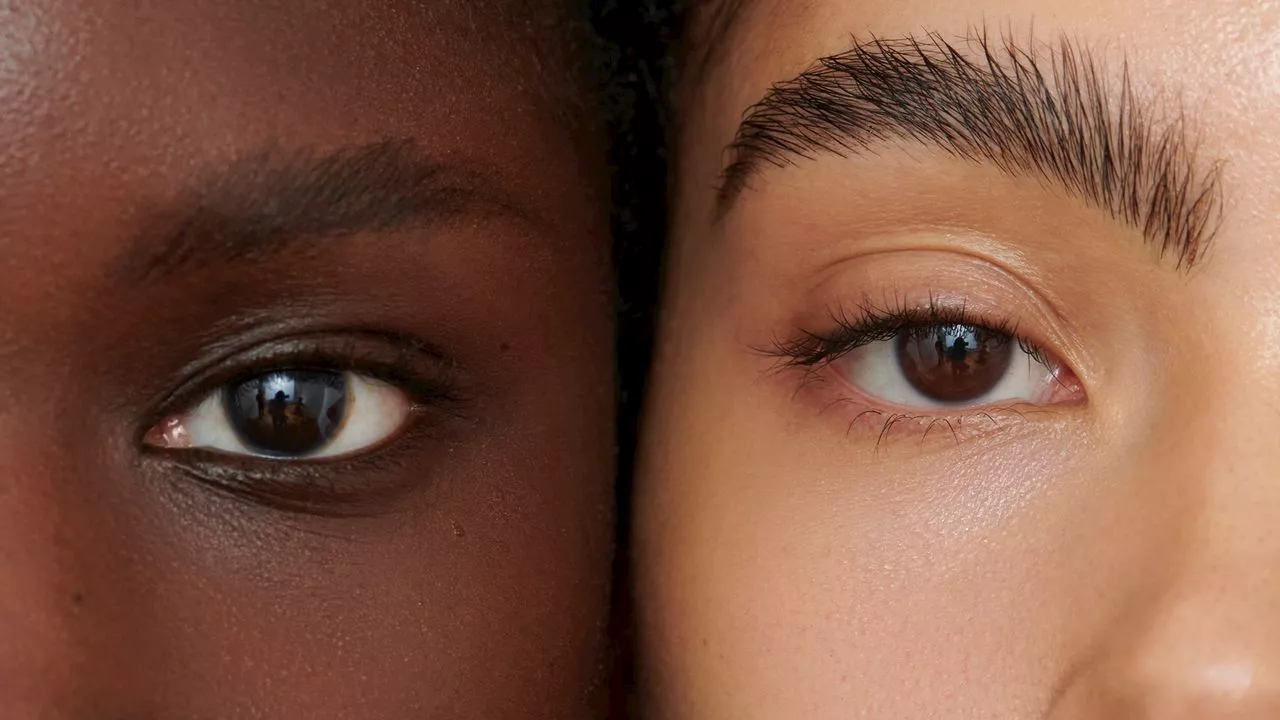
Identifying your skin's true undertone is the essential step to avoding makeup that looks mismatched or unnatural. According to a recent Vogue report, the key is distinguishing between your surface skin tone and the permanent colors living beneath the surface.
How redness and rosacea can trick you into the wrong foundation shade
It is a common beauty frustration: a foundation that looks perfect in the store but turns orange or gray once applied. This often happens because users confuse their surface skin tone with their actual undertone . While your surface color—categorized as fair, medium , tan, or deep—can shift due to sun exposure, acne, or hyperpigmentation, your undertone remains a consistent shade.
As YSL Beauty national makeup artist Martin explains in the Vogue guide, temporary skin conditions like rosacea, inflammation, or even hormonal shifts can alter how your skin appears. For example, a person with a warm undertone dealing with facial redness might temporarily appear to have a cooler, pinker complexion. This distinction is vital because, as the report notes, your undertone determines how a makeup shade will actually interact with your face.
Using silver jewelry and white backgrounds to find your match
If you are unsure where you land on the color spectrum, experts suggest a few DIY tests to reveal your subtle hues. One of the most reliable methods is the jewelry test: hold up gold and silver pieces to your skin to see which looks more flattering. If silver wins, you are likely cool; if gold is the winner, you are likely warm; and if both work, you are likely neutral.
Another effective technique involves taking a photo of yourself in natural light against a plain white background. The report emphasizes that you should use no filters for this to work. by comparing your skin to a neutral white surface, you can more easily see if your skin pulls toward pink, gold, or green. You can also inspect areas where skin naturally folds, such as the neck or the crooks of your elbows, to find the "small nuances of color" that the expert Correa highlights.
Why olive undertones remain one of the hardest shades to master
While cool, warm, and neutral undertones are widely discussed, olive undertones present a unique challenge in the beauty world. Olive skin carries a subtle green, gray-green, or yellow-green cast that can appear at any depth, from light to deep. This complexity often leaves consumers wondering exactly how to categorize themselves when they don't fit into the standard three boxes.
The Vogue report points out that olive undertones are particularly nuanced because they can also lean warmer or cooler. This creates an ongoing question for many:how do you accurately shade-match when your olive base is shifting between temperature categories? Because of this, the source suggests that olive complexions can be particularly tricky to match with standard foundation ranges.
Selecting the right blush and highlighter for your undertone
Once you have identified your undertone, you can move beyond foundation to harmonize your entire look. For those with cool undertones, experts recommend berry, plum, or blue-based red blushes and highlighters in pearly or icy champagne. Conversely, warm undertones shine with peach, coral, or orange-based products and gold or bronze highlighters.
Neutral undertones enjoy the most flexibility, able to move between warm and cool shades with ease. However, for those with olive skin, the advice is more specific:steer clear of anything too pink, icy, or orange. Instead, look for earthy tones, bronzed hues, and subtle reds to complement that unique green-leaning cast.
Comments 0