

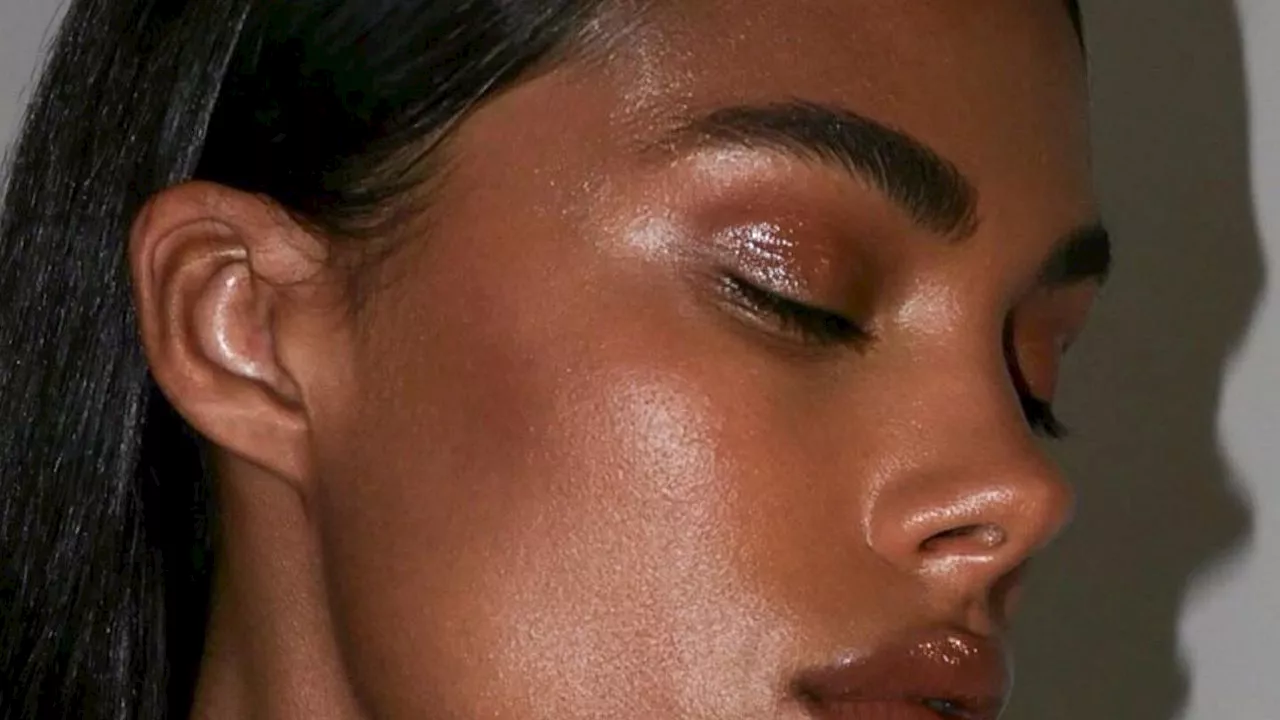
Beauty experts Harold and Rasa suggest that the secret to a professional makeup look lies in understanding skin undertones and the color wheel. By matching specific hues and formulas to their natural coloring, individuals can either brighten their gaze or avoid looking unintentionally tired.
Why bronze and copper suit warm undertones while taupe fits cool skin
The foundation of a flattering eye look starts with identifying whether your skin is warm, cool, or neutral. according to the report, Harold notes that those with warm undertones are best enhanced by rich olive, caramel, copper, and bronze shades. Conversely, individuals with cooler undertones should lean toward charcoal, soft plum, cool browns, and taupe to complement their natural skin tone.
This focus on undertones mirrors the massive surge in "color analysis" trends currently dominating TikTok and Instagram, where users seek "seasonal palettes" to determine their ideal clothing and makeup colors. By applying these principles to eyeshadow, the goal is to create a harmonious balance that makes the iris pop rather than clashing with the skin's natural temperature.
For those who fall into the neutral category, the options are broader. As Harold explains, neutral undertones can typically wear almost any shade on the spectrum, giving them more flexibility to experiment with bold colors or subtle washes.
The risk of using reds and mauves on naturally discolored skin
While some colors are universally flattering, others can accidentally highlight flaws. The report warns that shades that closely mimic natural skin discoloration—specifically certain reds, mauves, or greys—can make the eyes appear tired or worn out. this is particularly true for people who already struggle with purple-grey tones or dark circles around the orbital area.
Color saturation also plays a role in how the eye is perceived. Rasa points out that using an intense blue shadow on blue eyes can actually make the iris look "flatter" rather than enhancing its depth. While a tonal look can be a deliberate fashion choice, the general rule of thumb is to seek contrast to bring out the natural vibrancy of the eye.
Using mattes for oily lids and shimmers for inner-corenr highlights
Beyond the color, the physical formula of the eyeshadow determines the final structure of the look. Rasa suggests that matte shadows are the ideal tool for defining the crease and contouring the eye. Furthermore, mattes are highly recommended for those with oilier eyelids, as they provide a more stable, non-greasy finish throughout the day.
For those seeking a "glowy" effect, shimmers and metallics serve different purposes. Shimmers are best used as a gentle wash across the lid or as a strategic highlight in the inner corner to brighten the eyes. Metallics, on the other hand, are designed for high-impact, dramatic evening looks where a statement is the primary goal.
Why Rasa recommends soft taupe as the ultimate universal shade
For anyone intimidated by the color wheel, there are a few "safe" bets that work across most demographics. Rasa recommends a soft taupe as the go-to shade for those who want to move away from basic neutrals without taking a huge risk. According to the report, taupe adds a subtle dimension and richness that feels modern without being overwhelming.
Similarly, mauve shades are noted for their ability to flatter almost every eye color, providing a sophisticated finish. However, the report leaves a few critical questions unanswered: it does not explain how a reader can actually determine their undertone (such as the vein or jewelry tests), nor does it distinguish between the application of cream versus powder shadows .
Ultimately, while these guidelines provide a professional starting point, both Harold and Rasa emphasize that makeup is a tool for expression. The most flattering shade is ultimately the one that aligns with the mood the wearer wants to project and boosts their personal confidence.
Comments 0