

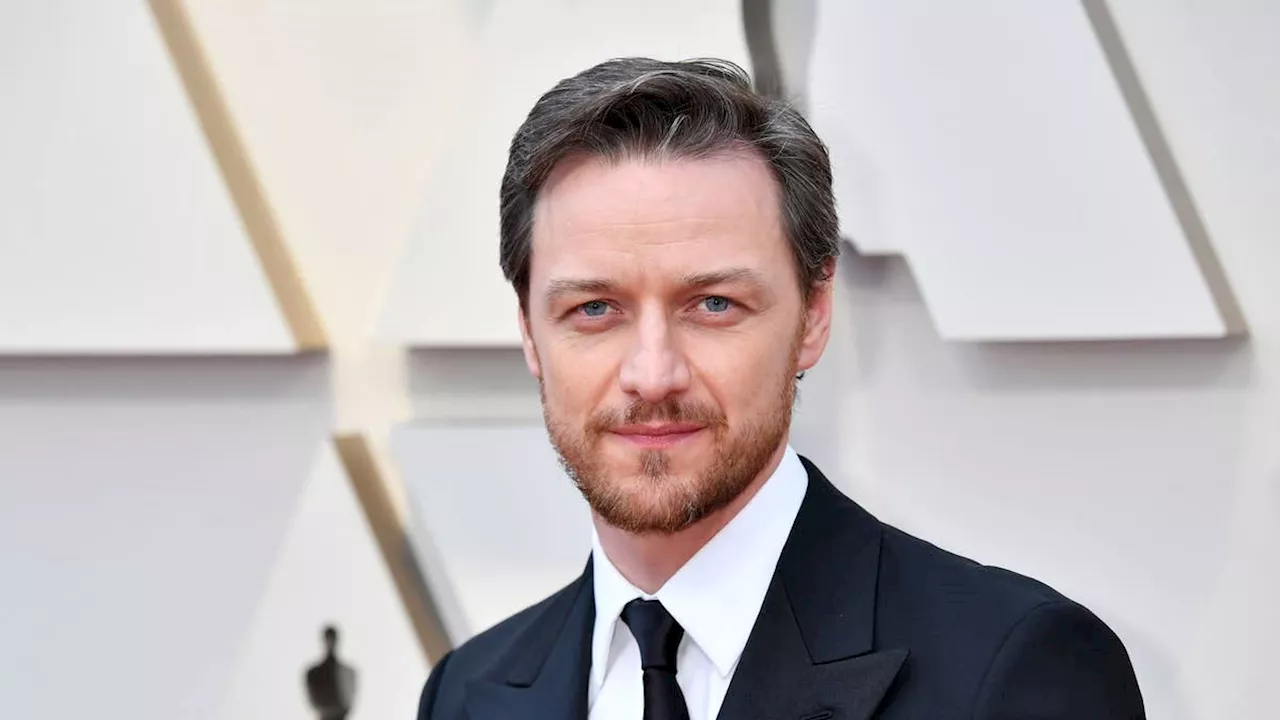
Actor James McAvoy recently detailed a terrifying 2017 medical crisis involving a botched lung biopsy.. While alone at home, he suffered a lung collapse that led to a multi-week hospitalization and a grueling recovery process.
The 2017 botched biopsy that led to a collapsed lung
During a podcast episode released on Monday, October 12, James McAvoy revealed that doctors had discovered a "shadow" on his lung, prompting a biopsy to rule out cancer. While the results were fortunately negative, the procedure itself went wrong. As the report says, McAvoy was at home alone two days after the biopsy when his lungs suddenly collapsed in bed.
The situation escalated into a prolonged medical emergency. McAvoy spent between two and three weeks in the hopsital, where his recovery was further hindered by a serious infection. According to the report, the medical team initially struggled to treat the infection, leading to discussions about a more invasive operation to clean the affected area after other attempts failed.
Rebuilding physical strength for the role of The Beast in Glass
This health crisiis occurred at a critical professional juncture. James McAvoy was preparing to return as Kevin Wendell Crumb in M. Night Shyamalan's 2019 film Glass. the role required him to portray the physically imposing character known as The Beast, which involved demanding scenes filmed outdoors in daylight that showcased a highly muscular physique.
The road back to fitness was slow and methodical. After leaving the hospital, McAvoy found that while he could walk, he was completely unable to run, cycle, or jog. He worked with a trainer who spent the first four weeks focusing exclusively on rehabilitation and functional movement before they could even begin the muscle-building phase required for the production of Glass.
The hidden pressure of the 2019 physical transformation
McAvoy's experience highlights a recurring trend in modern cinema: the extreme physical transformation. From the lean builds of superhero cinema to the bulk of characters like The Beast, actors often undergo grueling regimens that can mask underlying health vulnerabilities. For McAvoy, the pressure to deliver a visually imposing performance meant pushing his body to its limits while it was still recovering from a near-fatal pulmonary event.
This intersection of health and performance is a precarious balance. When an actor's value is tied to a specific physical look, the drive to recover quickly can sometimes overshadow the necessary pace of medical healing.. McAvoy's transparency about his struggle suggests a growing willingness among stars to discuss the physical toll behind the "movie magic."
Who was responsible for the botched biopsy that nearly killed McAvoy?
Despite the gravity of the event, several key details remain missing from the account. The source reports McAvoy's perspective that the procedure was "botched," but it does not name the medical facility or the specific practitioners involved. It remains unclear whether there was any medical malpractice investigation or legal action following the collapse and subsequent infection.
Furthermore, the report focuses solely on the actor's recollection. There is no statement from the healthcare providers involved to provide a clinical explanation of why a routine biopsy resulted in a total lung collapse and a multi-week hospital stay.
A transition from recovery to directing California Schemin'
Moving past his health struggles, James McAvoy has recently expanded his creative horizons by stepping behind the camera. His directorial debut, California Schemin', tells the story of two aspiring rappers from Dundee who attempt to break into the music industry by pretending to be American.
The film, which is based on a true story, has already made its mark on the festival circuit, receiving its UK gala premiere at the Glasgow Film Festival. It subsequently opened in cinemas across the UK and Ireland in April, marking a significant professional milestone for the actor as he pivots from the physical demands of acting to the strategic demands of directing.
Comments 0