

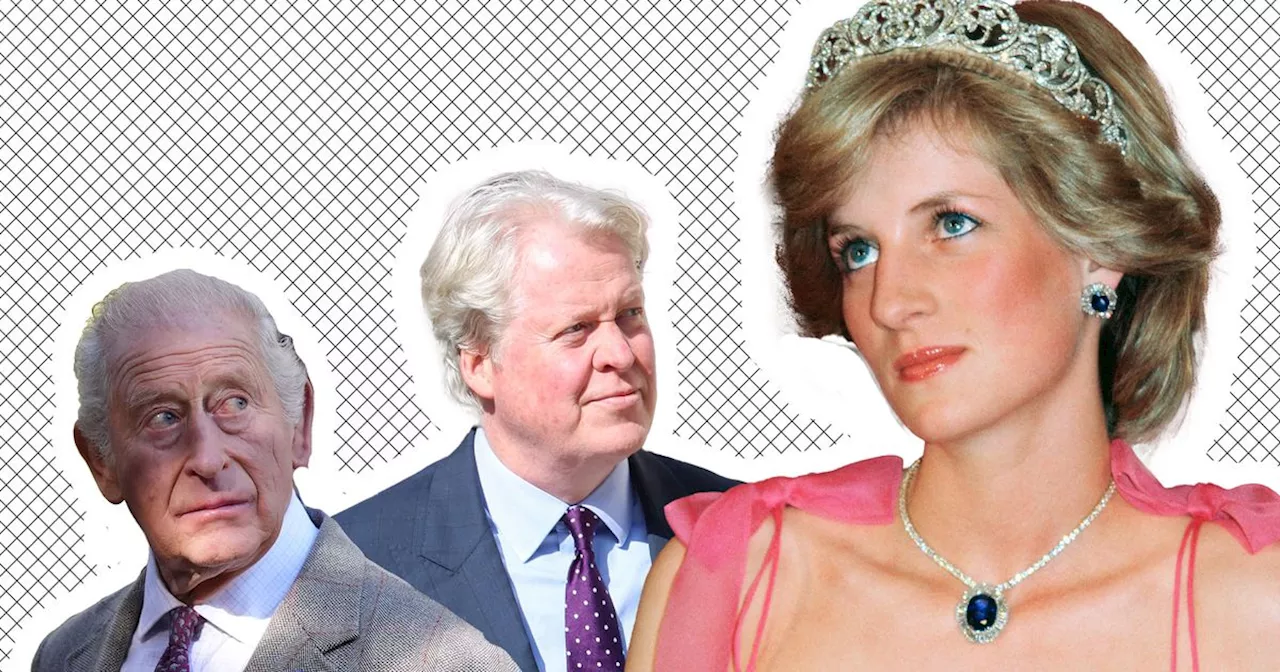
Charles Spencer's new book, Swan Song, alleges that King Charles expressed deep contempt for Princess Diana shortly after her passing. In a rare move, Buckingham Palace has responded to these claims, suggesting that Spencer's recollections may be distorted by his grief.
The “Rest assured, we’ll forget her” phone call
In the new book Swan Song, Charles Spencer describes a volatile telephone conversation with the man who was then Prince Charles. According to the report, Spencer recalls the Prince unleashing a stream of "pent-up contempt" for Princess Diana, expressing horror that the public was so captivated by her death. The most jarring claim is that King Charles "hissed" into the phone, "Rest assured, we’ll forget her soon enough!"
This specific allegation paints a picture of a monarchy struggling with the overwhelming global affection for Princess Diana. By framing the King's reaction as one of irritation rather than mourning, Charles Spencer suggests a fundamental disconnect between the royal family's public face and their private feelings during the 1997 crisis.
A dispute over Prince William and Prince Harry's funeral procession
The tension described in Swan Song reportedly stemmed from a disagreement regarding the funeral arrangements for Princess Diana. As the report says, Charles Spencer was opposed to the idea of Prince William and Prince Harry walking behind their mother's coffin during the procession. This disagreement sparked the heated argument that led to the alleged "hissed" comments from the then-prince.
This clash highlights the long-standing friction between the Spencer family and the House of Windsor. the decision regarding where the young princes stood during one of the most-watched funerals in history was not just a matter of protocol, but a battleground for how Princess Diana's legacy and her children's grief were managed by the crown.
Buckingham Palace's claim that grief can “cloud reason”
While the monarchy typically ignores memoirs, Buckingham Palace released a statement specifically addressing the claims in Swan Song.. The Palace asserted that His Majesty is mindful that "the pain of fraternal grief can cloud reason, affect judgment, and color memory," as the report notes. By using this phrasing, the Palace effectiely argues that Charles Spencer's memory of the phone call is a product of emotional trauma rather than a factual account.
This response is a calculated psychological pivot. Instead of a flat denial,Buckingham Palace frames the dispute as a matter of cognitive reliability, suggesting that the passage of time and the intensity of loss have skewed Spencer's perception of the events that followed Princess Diana's death.
The rare Palace break from its “no comment” rule on tell-all books
The decision by Buckingham Palace to respond to Swan Song is highly unusual, as the institution almost never comments on "tell-all" publications. This break in protocol suggests that the Palace viewed the specific claims regarding King Charles's reaction to Princess Diana as too egregious to leave unanswered.. It signals a shift in how the current administration handles the narrative of the late princess.
This pattern echoes the royal family's recent struggles with internal leaks and memoirs, most notably the fallout from Prince Harry's Spare. however, by engaging with Charles Spencer, the Palace is fighting a battle not just with a family member, but with the enduring, idealized image of Princess Diana that continues to haunt the monarchy's public relations strategy.
Who can verify the claims made in “Swan Song”?
Despite the Palace's rebuttal, several key questions remain unanswered. Because the aleged exchange between King Charles and Charles Spencer happened over a private phone call, there are no third-party witnesses to verify who said what. It remains unclear if any recordings or contemporaneous notes exist that could prove or disprove the "forget her" comment.
Furthermore, the source only provides the perspectives of Charles Spencer and the official statement from Buckingham Palace. Without input from other aides or family members present during the funeral planning, the truth of the interaction remains a matter of "he said, she said," leaving readers to decide which version of the royal history they believe.
Comments 0