
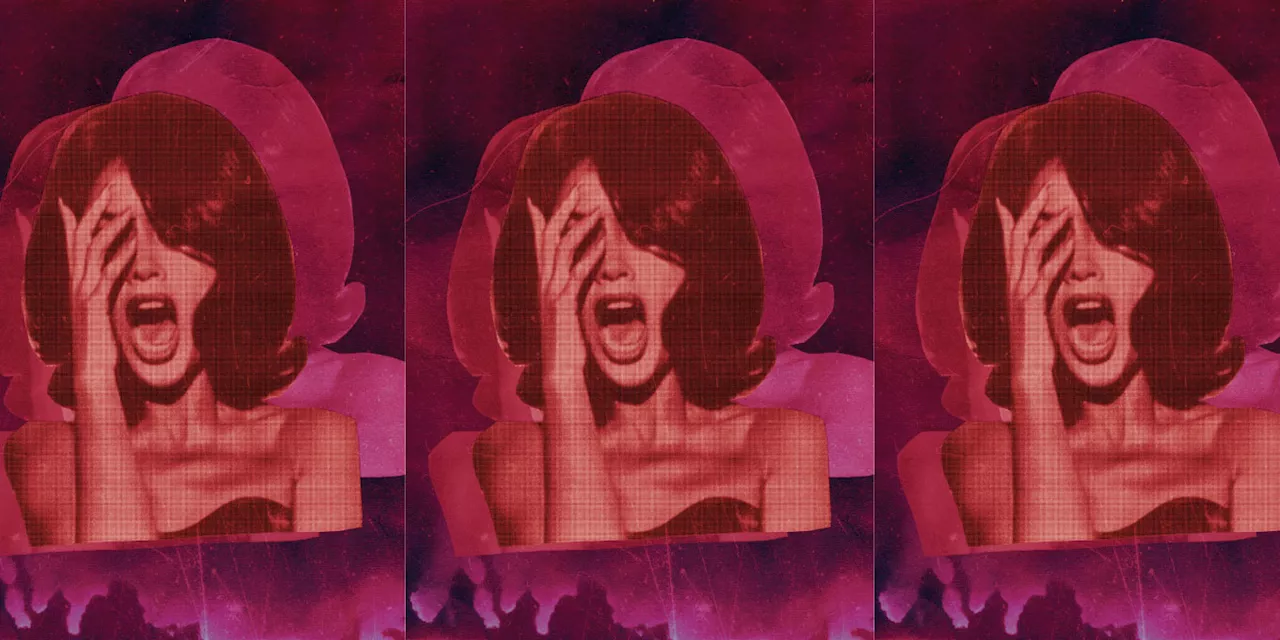
Horror cinema is currently experiencing a massive cultural resurgence by transforming deep-seated societal fears into cinematic spectacles . industry experts and critics suggest the genre is uniquely equipped to handle cultural anxieties that other film categories often avoid. This trend is driven by a mix of internet-native filmmaking and a collective need for catharsis in an increasingly unstable world.
How YouTube-born directors and Gen Z's surveillance culture fuel the horror boom
The current wave of horror is deeply intertwined with the digital habits of younger audiences. According to the report from ELLE Canada, Gen Z is the demographic most likely to visit movie theaters, viewing the experience as a "passive and social" way to be "alone together" while screaming in the dark. This behavior mirrors a generation raised on constant surveillance and ironic detachment, mkaing the theater a rare space for shared emotional release.
Justine Smith, a Canadian movie critic who programs the Underground lineup for Montreal’s Fantasia Festival, notes that horror is often the most affordable experience available to young people. This accessibility allows the genre to act as a proxy for processing trauma. For example, a teenager might avoid a lecture on consent but find a visceral, understandable lesson in a horror plot where a character begs for release from a trance.
Why A24’s record-breaking Backrooms reflects a crisis of modern masculinity
The commercial success of recent horror films proves that audiences are craving more than just "blood and guts ." The report highlights that Backrooms has become A24’s highest-grossing movie ever, while another unnamed project stands as the highest-grossing film with a budget under $1 million. These films often utilize lo-fi aesthetics that resonate with the "internet culture" and toxic online discourses from which they were born.
Alexandra West, co-host of the Faculty of Horror podcast, argues that these films often explore a specific gender dynamic. When comparing Backrooms to other recent hits, West observes a recurring theme of men looking to women to solve their problems, suggesting a narrative reflection of men who feel they "haven't gotten what they're owed." This suggests that the "monsters" in these films are often manifestations of fragile masculinity and frayed communication.
Coralie Fargeat and the horror of aging as a woman
Horror has a long history of exploring the role of women, but current filmmakers are pushing these boundaries further.. The report mentions how director Coralie Fargeat uses the genre to speak loudly about the discomfort of aging as a woman, forcing the audience to sit with provocations that other genres might sanitize. This approach transforms the screen into a mirror for the societal pressures placed on women's bodies.
As noted by the Faculty of Horror hosts, this is part of a broader tradition where horror explores the "return of the repressed." Whether it is the collapse of the nuclear family in slasher films or gender anxiety in possession movies,the genre allows viewers to confront fears—such as the threat of AI stealing jobs or the loss of clean water—from a safe, fictionalized distance.
Will the next horror wave focus on digital brands and the collapse of civility?
While the current boom is centered on psychological and social trauma, the future of the genre may shift toward our relationship with technology. Andrea Subissati, editor of a Canadian horror magazine, predicts that upcoming stories will focus on our "digital selves" and the anxiety associated with maintaining a personal brand. This suggests a shift from physical monsters to the horror of digital existence.
However, some questions remain regarding the sustainability of this trend. While Justine Smith expects more experimental horror from under-represented filmmakers who are finally receiving funding , it is unclear if the mainstream appetite for these "elevated" themes will persist or if the genre will eventually "slink back into the shadows" as it has in previous cycles. The report does not specify which funding bodies are currently prioritizing these diverse voices, leaving the exact mechanism of this new inclusivity open to question.
Comments 0