

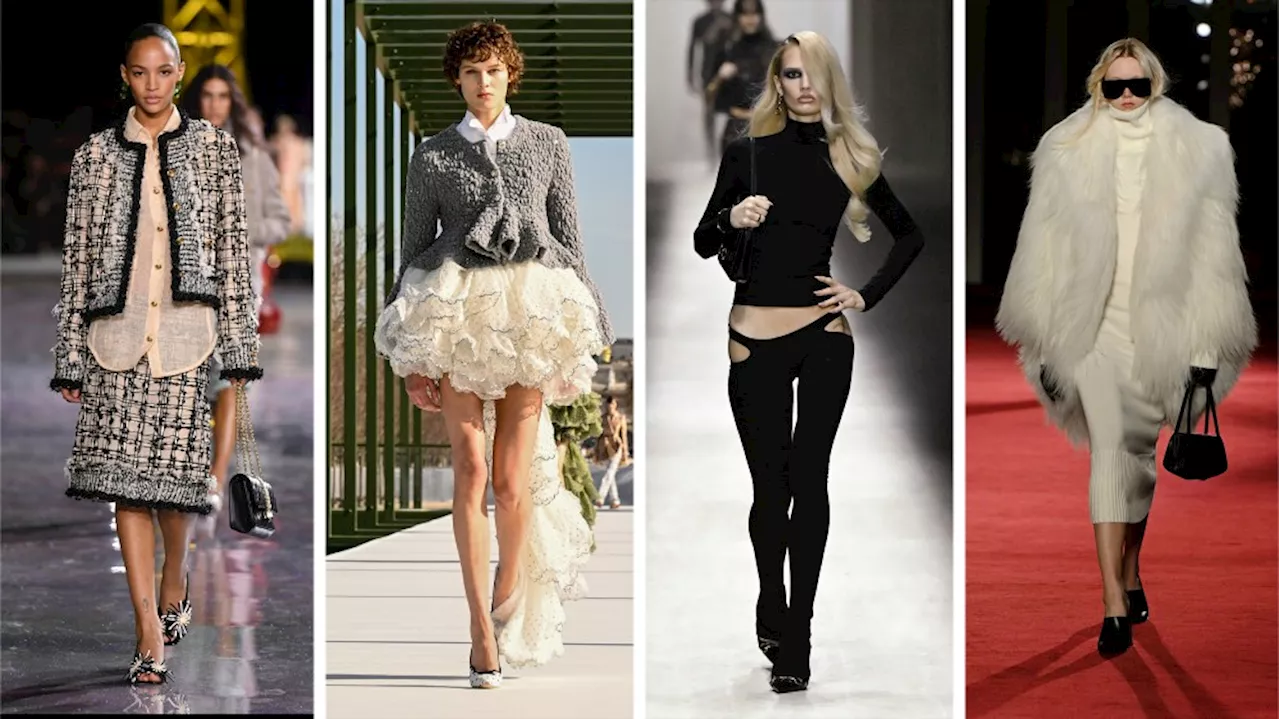
The Fall 2026 fashion landscape is shifting away from prescribed trend lists toward a focus on the multifaceted identities of the women wearing the clothes. Rather than following a strict set of seasonal rules, the new direction emphasizes dressing according to personal mood and self-knowledge.
The digital exhaustion driving a shift away from seasonal trend lists
Modern fashion consumers are facing a state of saturation, where the constant bombardment of images on social media has diluted the power of traditional trend-setting. According to the report, the sheer volume of content means users now scroll past thousands of images nonchalantly, leading to a fragmented attention span that makes traditional "must-have" lists feel exhausted and ineffective.
This shift reflects a broader cultural fatigue with the "desire machine" of the fashion industry, which historically functioned by reminding women of what they lacked. For the Pembece reader , this mirrors the wider internet culture trend of "de-influencing," where the pressure to own every viral item is being replaced by a desire for authenticity and a rejection of the feeling that one is "never enough."
Matthieu Blazy's Chanel and the evolution of the tweed skirt suit
The concept of "femininity as choice" is central to the upcoming season,particularly in how classic codes are being dismantled. As the source reported, Matthieu Blazy at Chanel is leading this movement by reimagining wardrobe staples such as the tweed skirt suit, boxy shirts, and softly tailored jackets.
These garments are no longer being worn out of a sense of social obligation or rigid dress codes. Instead, the report suggests these pieces are being styled with a sense of individuality and freedom, allowing the wearer to utilize the "codes of polish" without being imprisoned by them.
Jonathan Anderson's Dior vision of Edwardian romanticism and sheer fabrics
A different facet of the Fall 2026 woman is defined by a blend of historical romanticism and contemporary sensuality. Jonathan Anderson for Dior is reportedly blending elements from the early 19th century, the Edwardian era, and English country living to create a look that emphasizes ownership of one's own gaze.
This aesthetic relies heavily on the use of sheer fabrics, transparent layers, and lingerie references. Rather than dressing for external approval, this approach uses body-conscious silhouettes to project a sense of sensual power and self-comfort.
From Demna's Gucci power moves to Michael Kors' protective shearling
The spectrum of Fall 2026 style extends from aggressive power dressing to total physical cocooning. The report highlights the Fall '26 Gucci collection by Demna as a prime example of a "power move" in fashion, while Michael Kors is focusing on high-gear glamour combined with protective elements.
For women seeking a shield from the outside world, the season introduces substantial coats, oversized collars, leather, and shearling. These cocooning shapes provide a physical purpose to clothing, offering a sense of security and protection through utility elements and heavy textures.
The tension between 'exclusive rooms' and the accessibility of Fall 2026 fashion
While the philosophy of the season celebrates the "multitudes" of women, there remains a significant question regarding who actually has access to these visions. The source notes that fashion has become "smaller" and more obsessed with "who is inside the room," creating a vacuum that risks becoming out of touch with the average woman.
It remains unclear how these high-fashion concepts—from Dior's Edwardian romanticism to Chanel's reimagined tweed—will translate to the broader market. If fashion continues to prioritize exclusivity over accessibility, the "freedom" and "individuality" praised in these collections may remain limited to a small elite, leaving the rest of the digital audience to simply scroll past.
Comments 0