

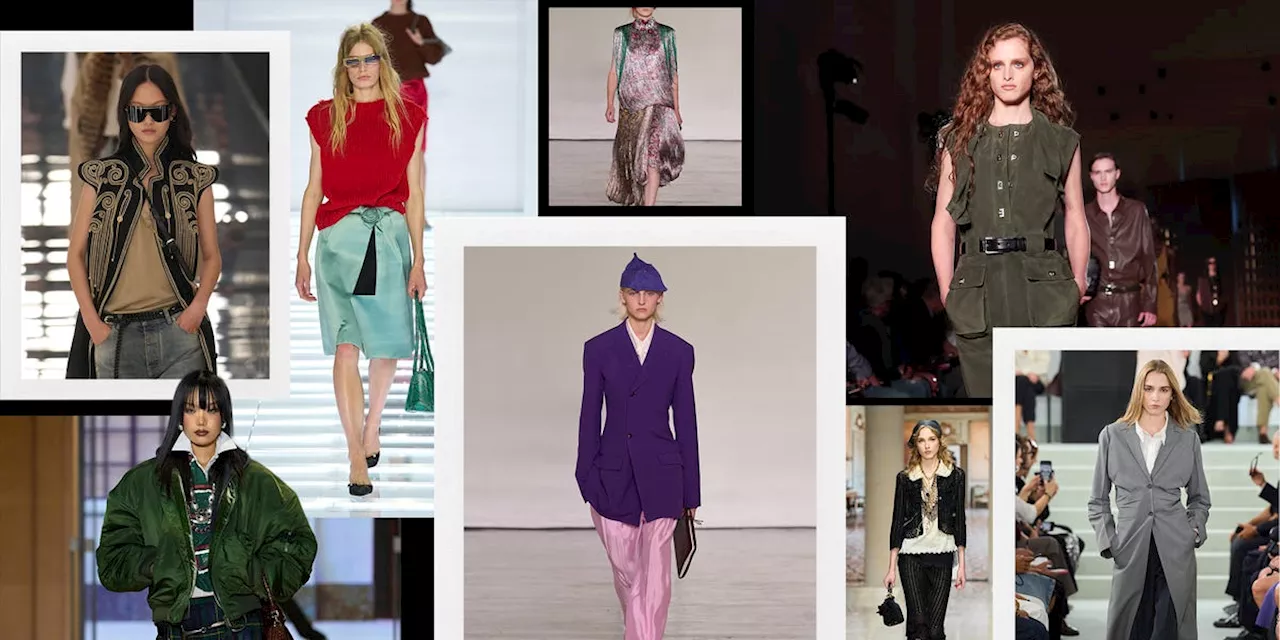
Milan Fashion Week recently showcased a pivot toward structured, traditional femininity, blending historic silhouettes with modern, subversive twists. Leading designers reimagined the wardrobes of previous generations, moving away from the extreme lengths of the last decade toward a more "buttoned-up" aesthetic.
Prada’s knee-length skirts and the return of the 'matronly' silhouette
Prada opened the season with a dedicated focus on the skirt, specifically favoring a knee-length hemline. According to the report, this particular length had largely vanished from fashion between the early 2010s and early 2020s, as trends swung between micro-minis and maxis. While a knee-length cut can often be perceived as matronly, Prada has repositioned it as "quirky cool," making it appealing to women ranging from their 20s to their 80s.
This shift suggests a broader move toward "age-agnostic" dressing.. By pairing these traditional lengths with modern styling—such as wearing a skirt with just a bra—Prada is bridging the gap between classic modesty and contemporary internet-culture boldness.
Dolce & Gabbana’s 'passed-down wardrobe' and the J.Lo front-row effect
The allure of Dolce & Gabbana centered on the concept of an inherited wardrobe, a theme emphasized during a show where J.Lo sat front row in a velvet suit. The collection mixed antique-inspired elements, such as eyelet lace tops and tweedy jackets, with bold leopard-print skirts and bedazzled denim. This "grandma-core" approach encourages a mix of high-contrast pieces, like pairing vintage lingerie with ballet flats for daywear.
This aesthetic mirrors a wider cultural trend where Gen Z and Millennials mine thrift stores and family archives for "autthentic" pieces. By elevating these heirlooms with signtaure gold jewelry, Dolce & Gabbana is validating the trend of mixing generational styles into a single, eclectic look.
Maximilian Davis’s first foray into latex at Ferragamo
At Ferragamo, creative director Maximilian Davis reimagined the 1940s skirt suit—the original uniform for women entering the workforce—by removing shoulder pads and focusing on arced sleeves and precise darts. in a surprising departure from his usually buttoned-up style, the report says Davis experimented with latex for the first time, using the material's translucency to add an emotional, slightly "kinkier" edge to the collection.
While the use of latex is a bold pivot, some details remain vague. It is not entirely clear how this experimental material will be integrated into Ferragamo's broader commercial offerings, or if the latex elements were intended as conceptual art pieces rather than wearable retail items.
Demna’s tripled-size horsebit belt and the Gucci 'rebellious aristocrat'
The vision for Gucci, led by Demna, focused on a "bourgeois" archetype reimagined as a rebellious aristocrat. This look featured puff-sleeve bomber jackets, rugby shirts, and long tartan skirts, all anchored by a leather belt featuring a Gucci horsebit that has been tripled in size. This juxtaposition of athletic wear and aristocratic tailoring creates a subversive take on wealth.
Similarly, Maria Grazia Chiuri brought a touch of Roman history to Fendi, moving from boudoir separates to tailoring featuring embroidery inspired by Roman columns.. The collection also highlighted the enduring popularity of the Fendi baguette bag, proving that while silhouettes change, iconic accessories remain the anchor of luxury fashion.
The 'chic older lady' influence on Spring 2026 daywear
A defining theme of Milan Fashion Week was the reverence for Italy's chic older ladies—women known for silk headscarves and divine outerwear. This influence is evident in the Spring 2026 proposals from Max Mara, where Ian Griffiths introduced wide-legged trousers and military-inspired pockets and buckles in a palette of brown, black, and white. Bottega Veneta's Louise Trotter also leaned into movement, using sheets of fringe that move like liquid.
This direction stands in stark contrast to New York Fashion Week, which the report notes favored a casual approach to evening wear, such as pairing tuxedo shirts with jeans. Milan has instead chosen to formalize daywear, drawing inspiration from the structured elegance of the women who came before. This suggests a cyclical return to "dressing up" for the everyday, moving away from the loungewear dominance of the early 2020s.
Comments 0