

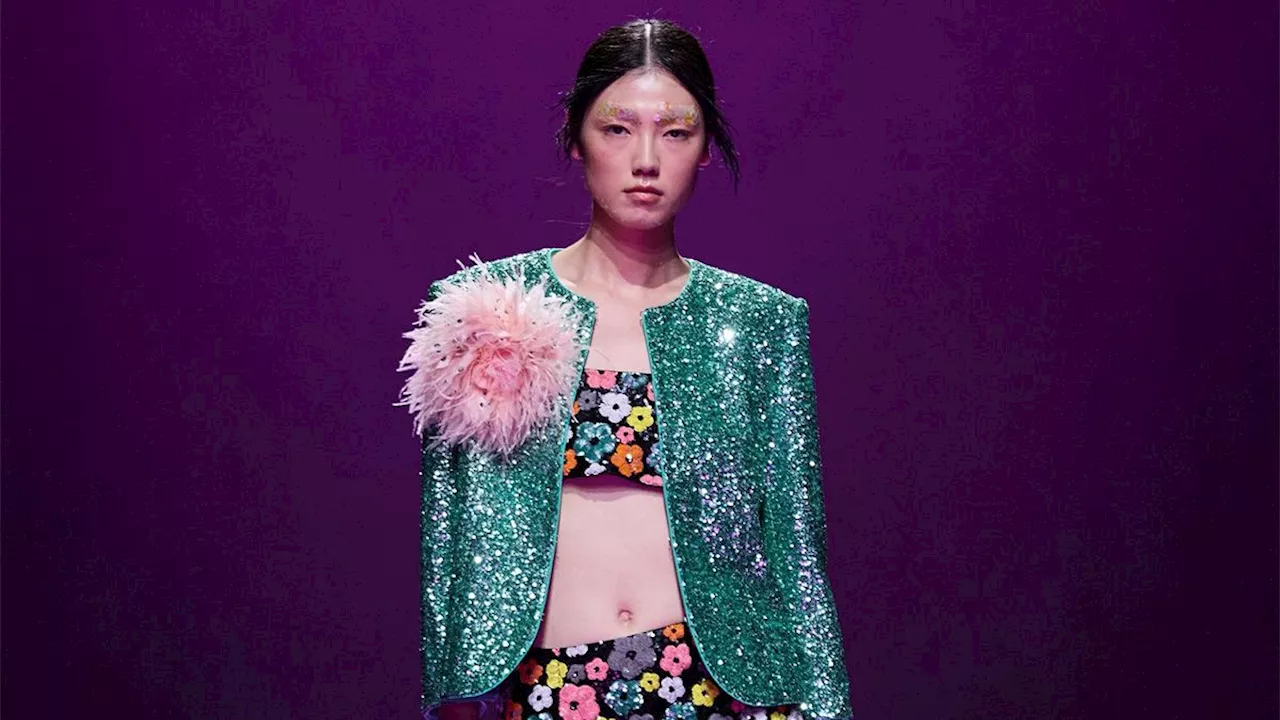
Shanghai Fashion Week's Spring/Summer 2027 season, held from October 8 to 16, signaled a major strategic shift for independent Chinese labels. Designers are moving away from theatrical occasion wear toward wearable staples and investing in direct-to-consumer retail stores to secure their financial futures.
Why Xu Zhi and RuiBuilt are Trading Gowns for Denim and Jackets
The SS27 collections marked a departure from the dramatic styling that typically defines the Shanghai runways. According to the report, designers are now prioritizing "everyday wear" to ensure their pieces are actually wearable for the modern customer.. For example, Xu Zhi paired Victorian-inspired nightdresses and lace with distressed denim and biker jackets, creating a tension between high-fashion fantasy and street-ready utility .
This pivot is often a result of years of market trial and error. rui Zhou,the founder of RuiBuilt, noted that while his brand initially focused on visually striking pieces for celebrities and events, the label has spent six years evolving. RuiBuilt now emphasizes lightweight jackets and jeans that can be layered, reflecting a broader need for versatility and repeat purchases in a volatile market.
The Move to Julu Road and Hunan Road: Why Samuel Guì Yang and Ruohan are Opening Stores
Beyond the clothes, the business model of the independent Chinese designer is being rewritten.. Many labels are abandoning their total reliance on multi-brand boutiques and showrooms in favor of standalone retail. Samuel Guì Yang recently opened his first global store on Julu Road, situated opposite the Shanghai Writers’ Association, a move that represents a decade of brand growth.
Other labels are following a similar trajectory to gain more control over their customer data and brand image. ruohan, which previously relied on partners like Lane Crawford and Paris Fashion Week exposure, is preparing to open a standalone store on Hunan Road in Shanghai. Similarly, Markgong has transitioned from a purely online presence to a physical flagship at IAMP Mall, while Nana Jacqueline is expanding into new cities and shopping centers.
How Cherrie Ying Sees Designers Bypassing Showrooms for Direct Buyer Access
The traditional role of the fashion showroom—the middleman between designer and retailer—is being questioned. Fashion consultant Cherrie Ying observes that established brands now have enough direct relationships with retail clients to invite buyers to view collections without an intermediary. This allows designers to negotiate their own budgets, delivery schedules, and product assortments tailored to specific markets.
While platforms like Mode Shanghai and Ontimeshow still provide essential infrastructure for smaller teams, the report says that more established labels are becoming selective. By reducing intermediaries, these brands can control the pace of negotiations and maintain a closer relationship with the boutiques that stock their work.
The Sluggish Luxury Recovery Driving the Shift Toward "Perceived Value"
This shift toward pragmatism is not happening in a vacuum; it is a direct response to a sluggish luxury recovery in China. As consumers become more selective about their spending, the "occasion piece" is losing ground to the "investment piece." This mirrors a global trend where the perceived value of a garment is tied to its utility rather than its shock value on a runway.
For labels like Hemu,which kicked off the week with its Silk Road collection, the challnege is to maintain a distinct creative identity while producing clothes that fit into a contemporary wardrobe. The goal is no longer just creative recognition, but the conversion of social media attention into sustainable, repeat sales.
Will the High Costs of Standalone Stores Outweigh the Benefits for Labels Like Nana Jacqueline?
Despite the excitement around new storefronts, several critical questions remain. The source notes that wholesale distribution allows brands to avoid the "full cost of operating their own stores," yet it doesn't detail the specific financial risks these labels are taking by moving into high-rent districts like Julu Road. It remains unclear if the increase in customer data and brand control will offset the overhead costs of physical retail.
Furthermore, the report focuses heavily on the brands' perspectives; it does not include commentary from the wholesale buyers or the multi-brand boutiques themselves.. It is unknown whether these retailers view the move toward direct-to-consumer retail as a healthy evolution or a betrayal of the partnerships that helped these independent designers rise in the first place.
Comments 0