

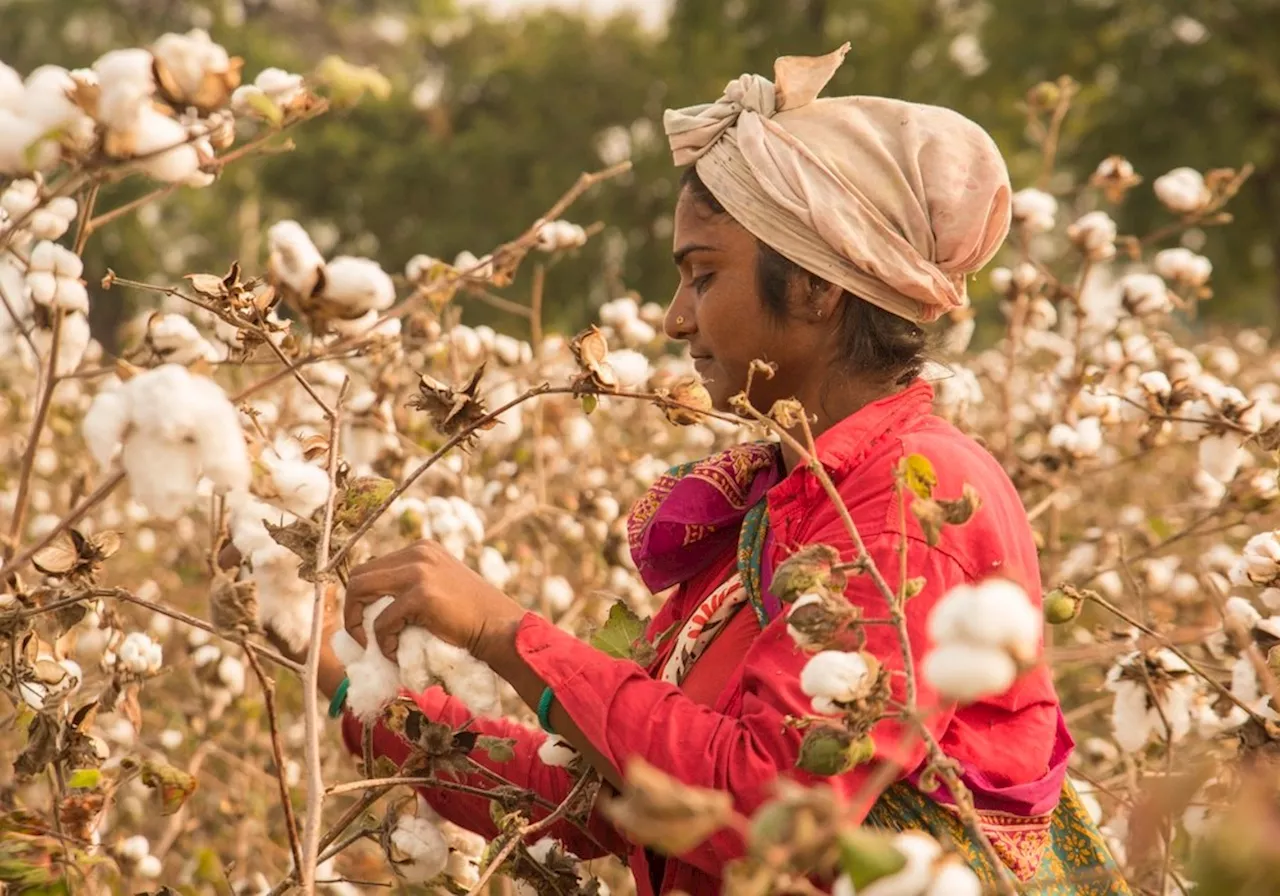
The Better Cotton Initiative (BCI) announced on Tuesday that it is transitioning into a regenerative standards system to promote healthier ecosystems and farmer livelihoods.. This overhaul aims to align corporate sustainability goals with actual field-level results across the global cotton supply chain.
The shift from banning pesticides to rebuilding soil health
The Better Cotton Initiative is moving away from traditional sustainability models toward a system focused on regenerative outcomes. while organic cotton is often defined by the strict banning of synthetic pesticides and fertilizers,the new BCI standards focus on rebuilding soil health, restoring biodiversity, and capturing carbon. As the report notes, this doesn't mean a total ban on all synthetics, but it does require farmers to phase out the most "highly hazardous" pesticides over time.
This new approach is intended to provide a more nuanced framework than the "organic plus" label often applied to sustainable cotton. By emphasizing outcomes like water retention and soil vitality, BCI aims to support the more than one-fifth of the world's cotton that currently falls under its umbrella.
Responding to Earthsight's 2024 allegations of illegal deforestation
This pivot comes at a time of intense scrutiny for the organization. In April 2024, the watchdog group Earthsight released an exposé that linked BCI-certified cotton to illegal deforestation and land-grabbing. The report implicated major high-street retailers, including H&M and Zara, making the need for more rigorous oversight impossible to ignore.
BCI's move to a regenerative system is intended to "bridge the gap" between the lofty environmental ambitions of big brands and the actual realities occurring on the ground. Following the scrutiny, BCI leadership expressed a willingness to welcome such oversight to help improve both farm and regulatory supervision.
How the Co:Farm acquisition aims to track 12,000 farmers in Gujarat
To improve transparency, BCI has acquired the technology and team behind Co:Farm from the agritech company Materra. This digital infrastructure is designed to speed up data collection from the field, a move BCI says will provide the visibility the market now expects. To ensure these new principles were robust, BCI also commissioned a third-party review by the agricultural consulting firm SureHarvest.
One immediate application of this technology is the Gujarat Regenerative Agriculture Project in India. Launched in partnership with H&M, this project is currently training over 12,000 farmers in the state to adopt regenerative practices, with more than 1,760 growers already receiving incentive payments. The project has already successfully linked 1,700 metric tons of traceable BCI lint cotton to H&M’s supply chain .
Why Brazil's pesticide use and traceability gaps remain major hurdles
Despite these technological and structural upgrades, significant questions remain regarding the consistency of these new standards. According to the report, there are persistent challenges with the continued use of hazardous pesticides in Brazil, which provides the largest single share of BCI cotton. Furthermore,the industry is still grappling with the transition from a "mass balance" system to new physical traceability standards.
It remains to be seen if these new digital tools can truly ensure that the cotton in your wardrobe isn't contributing to the environmental violations flagged by activists. Until the transition away from traditional mass ballance systems is complete, the ability to verify exactly where a specific garment's fiber originated remains an open question.
Comments 0