

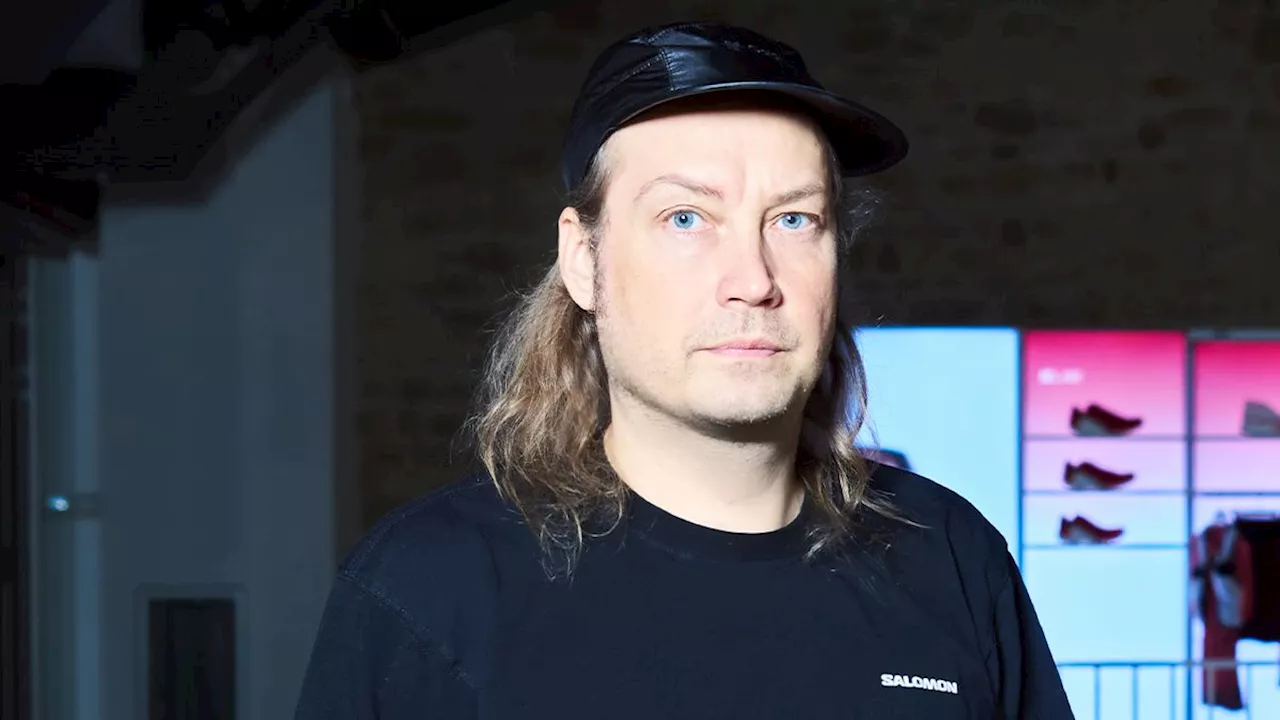
Heikki Salonen stepped into the role of Salomon's first official creative director in January. Operating from the company's headquarters in Annecy, France, Salonen is now tasked with steering the brand away from being a mere fashion accessory and back toward its performance-driven origins.
From 'Dad Brand' to the Gorpcore Boom of 2016
Salomon's current cultural ubiquity is a relatively recent phenomenon. For decades, the French label primarily served alpine enthusiasts and hardcore outdoor athletes. however, as reported by the source, a combination of the Covid-19 pandemic and the rise of "gorpcore"—the trend of wearing functional outdoor gear in urban settings—transformed the brand into a favorite for hypebeasts.
This transition was accelerated by strategic collaborations with high-profile entities like Palace, Beams, and the Parisian boutique The Broken Arm. To meet this surging demand for lifestyle footwear, Salomon created the "Sportstyle" category in the mid-2010s, effectively bridging the gap between the mountains and the city streets.
The Shift to a 45% Female Customer Base
The brand's expansion into lifestyle and wellness has significantly diversified its demographic. According to the report, the gender split of Salomon's audience has shifted from 35% women and 65% men five years ago to a more balanced 45% women and 55% men today.
This growth among women has been fueled by targeted launches,such as the XT-Whisper sneakers fronted by TikTok rapper Dina Ayada. Heikki Salonen's appointment is a strategic move to capitalize on this trend, given his extensive history in womenswear at Diesel and his time as the anonymous creative director for Maison Margiela’s MM6 line.
The $2 Billion Fourth Quarter Surge
The financial impact of Salomon's "fashion-ification" is evident in the numbers provided by parent company Amer Sports. In fiscal 2025, Amer Sports saw total revenues reach $6.57 billion, a 26% year-on-year increase, with Salomon alone contributing more than $2 billion in sales during the fourth quarter.
Much of this momentum is driven by the Asian market, particularly China, which has become the brand's fastest-growing region. This growth was bolstered by a 2019 shareholder change that allowed Salomon to optimize its retail footprint, leading to the opening of direct-to-consumer stores in New York, Paris, and London.
Will the China Apparel Test Scale Globally?
While footwear has dominated the brand's success, Salomon is now betting on outerwear and apparel to maintain its momentum. The company is currently testing its new apparel line in China to gauge consumer response before deciding how to invest in the category for the rest of the world.
However, several strategic questions remain. It is still unclear if Salonen will follow through on his suggestion to scrap in-house fashion-led designs entirely in favor of collaborations. Additionally, the report does not specify how the brand will resolve the tension between its "low-single-digit" global sneaker market share and its high-double-digit share in niche technical markets like trail running.
Why the XT-6 Meme Led to a 'Geeky' Manifesto
The XT-6 model became a viral symbol for urban professionals,but Heikki Salonen believes that relying on trends is a risk. He argues that Salomon's true value lies in its "technical geekery," citing the brand's history of creating everything from hydration vests to specialized "squirrel suits" for ski-diving.
Salonen's goal is to unify the brand's fragmented identity, moving away from a system of "sub-brands of sub-brands." By focusing on technical innovation first, he believes the brand can create new icons that naturally migrate from the performance space into the lifestyle segment, ensuring Salomon remains a best-in-class performance brand rather than a fading heritage label.
Comments 0