

Nike recently reported a slight dip in net income to $712 million for the first quarter, down from $727 million the previous year.. Despite a 4 percent drop in reported net sales, the Beaverton, Ore.-based company is finding success in its performance categories and women's athletic footwear.
The Caitlin 1 and the 500 percent surge in women's basketball shoes
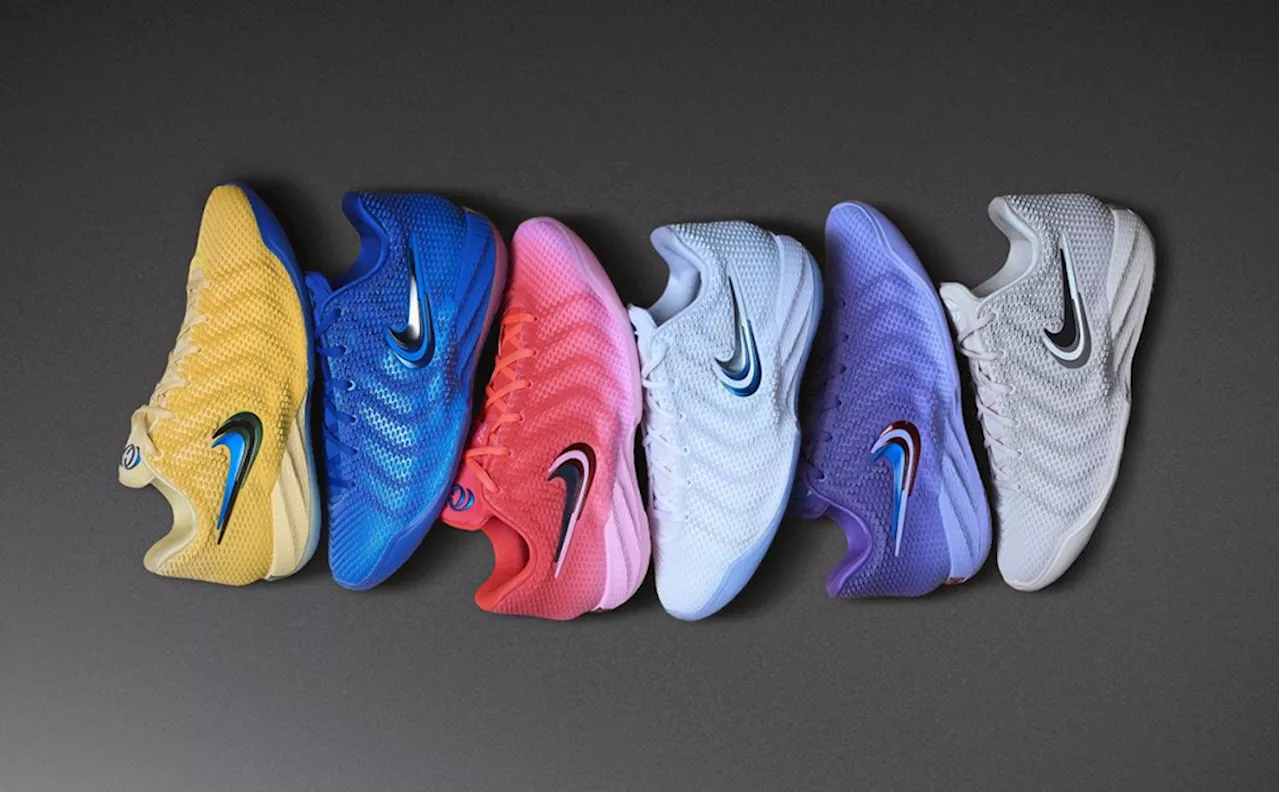
Nike is leaning heavily into the visibility of female athletes to drive growth. According to the report, Nike has grown its women’s basketball signature shoe business by nearly 500 percent between fiscal 2022 and fiscal 2026. This momentum is anchored by the launch of the Caitlin 1, the debut signature shoe for basketball star Caitlin Clark, which CEO Hill described as the largest women’s signature shoe launch in the company's history .
The scale of this rollout reflects a strategic shift in how Nike approaches women's sports. The Caitlin 1 was distributed across 5,000 doors, which is double the average distribution for a Nike basketball signature shoe. For Pembece readers, this represents a broader cultural shift where women's sports are no longer a niche market but a primary engine for global fashion and athletic trends.
How Nike Mind and Metcon are driving a $16 billion performance business
While lifestyle sneakers often dominate the headlines, Nike's performance business grew to $16 billion in fiscal 2026. As the report notes, this segment saw further high single-digit percentage growth in the first quarter of fiscal 2027. This growth is being fueled by a diversified portfolio, including the Nike Mind offering, which is quickly becoming one of the brand's top-selling franchises, alongside steady demand for Nike Pro and Metcon products.
The growth is not limited to one region; global football saw double-digit growth across four geographic areas, spurred by World Cup energy. Additionally, training grew globally, led by the EMEA (Europe, Middle East, and Africa) region, while tennis and golf also posted double-digit increases. This suggests that Nike is successfully diversifying away from a reliance on a few legacy franchises.
A 2 percent growth in North America across Foot Locker and Dick’s Sporting Goods
In its home market, Nike saw a 2 percent increase in North American growth during the first quarter. This uptick was driven primarily by performance gear in the running, global football, and basketball categories. CEO Hill mentioned that the company is seeing strong sell-through across various retail channels, specifically naming Dick’s Sporting Goods, Academy, Scheels, JD, and Foot Locker.
Jefferies equity analyst Randal Konik suggested in a research note that this broad-based momentum indicates the "Sport Offense" strategy is working. Konik noted that as performance products make up a larger share of the business, the underlying demand in North America appears healthier than the consolidated headline results might suggest.
The shift toward the L.A. Olympics and the delayed 'Win Now' timeline
Despite these wins, the timeline for Nike's full recovery remains a point of contention among analysts. BNP Paribas analyst Laurent Vasilescu pointed out that the "Win Now" strategy, originally slated for completion by the end of 2025 and later pushed to 2026, has not had a new timeline acknowledged by management. This lack of clarity suggests that the process of rightsizing the business could last for several more years.
William Trading analyst Sam Poser believes that Nike's problems are more deep-seated than previously thought, predicting that sales and margins will remain under pressure through the third quarter of fiscal 2028. Poser anticipates a significant acceleration in sales and margins only in the fourth quarter of fiscal 2028, coinciding with the lead-up to the L.A. Olympics.. This leaves a critical question unanswered: whether Nike can maintain its current momentum in women's and performance gear long enough to bridge the gap to 2028 without further financial erosion.
Comments 0