

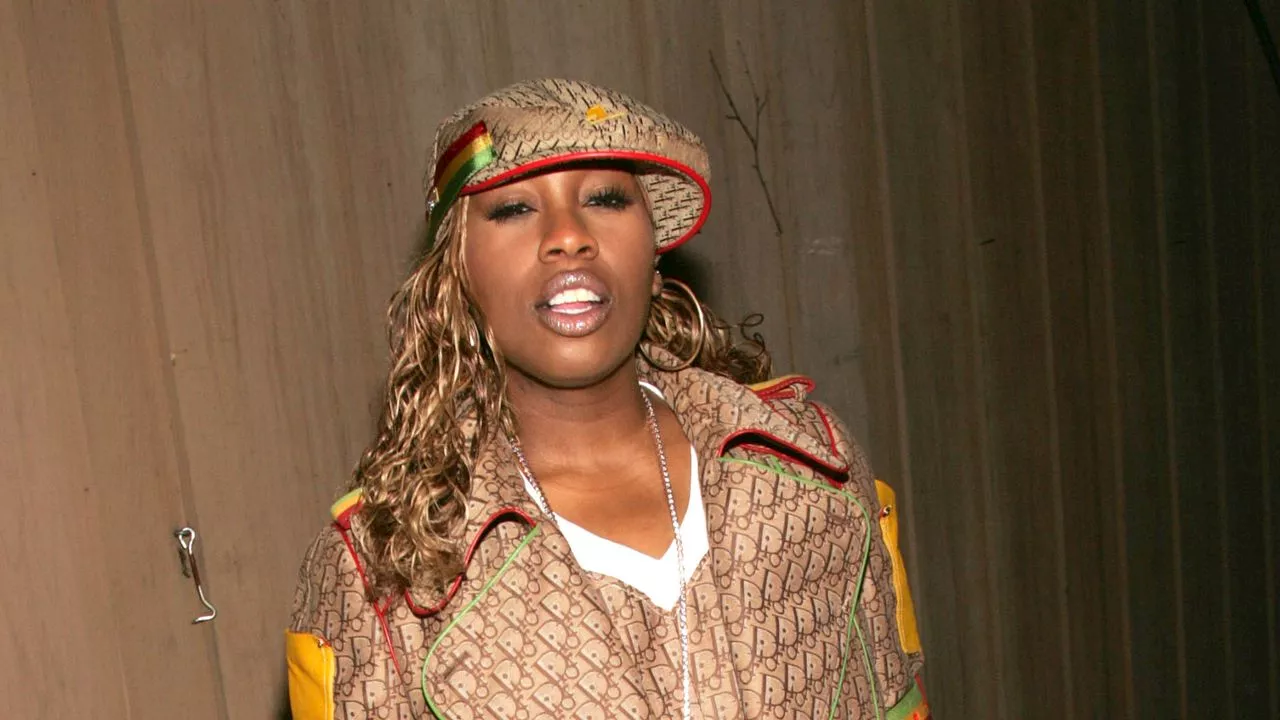
The fashion industry's recent pivot toward "quiet luxury" is sparking a conversation about classism and social gatekeeping. While loud monograms were once used to label certain groups as "low class," the current trend of understated elegance may be reviving old-fashioned social hierarchies.
The "chavtastic" label that tanked Burberry's sales
In the United Kingdom, the brand Burberry faced a significant backlash following a paparazzi photo of Daniella Westbrook wearing the brand's signature print. as the report notes, the image was used by critics to label her as "chavtastic," a term that weaponized her fashion choices to signal her working-class status.
This social stigma had real-world consequences for the luxury house. Following the controversy, Burberry saw a decline in sales, leading the company to remove its iconic Nova check print from its more accessible product lines. Many department stores even began removing the brand from their shelves entirely, illustrating how quickly fashion can be used as a tool for social policing.
How Dapper Dan's Harlem-made Gucci pieces changed the game
The tension between high fashion and street culutre has deep roots, particularly in the work of legendary designer Dapper Dan. Operating out of Harlem, New York, during the 1980s and '90s , Dan pioneered a style of custom, monogrammed pieces that were embraced by hip-hop icons but rejected by the fashion establishment.
According to the source, the industry's response to Dan was often litigious rather than celebratory. he faced multiple raids and legal battles, including a major lawsuit from Fendi that eventually forced him to close his doors in 1992. It took over two decades for the industry to acknowledge his influence, eventually resulting in a high-profile collaboration between Dan and Gucci under the creative direction of Alessandro Michele.
From Kim Kardashian's 2020 Gucci mask to "stealth wealth"
The fashion landscape has swung between extremes of visibility, moving from the heavy logomania of the late 2010s to the current era of "stealth wealth." One of the most visible moments of the previous era occurred at the 2020 Grammys, when Kim Kardashian wore a glittery,monogrammed Gucci face mask.
Today, the goalposts for aspiration have shifted toward an "IYKYK" (if you know, you know) aesthetic. This movement favros subtle, understated signifiers of wealth over loud, recognizable logos. While this look is often marketed as a sophisticated alternative to maximalism, it relies on a specific type of knowledge that functions as a modern form of gatekeeping.
Is "quiet luxury" just a way to reinforce social hierarchies?
The shift toward understated elegance raises questions about who actually gets to define what is considered "tasteful." The report suggests that the rise of quiet luxury aligns with a broader cultural shift toward conservative values, implying that anything loud or overtly branded is inherently devoid of class.
While the source does not explicitly state the political motivations of every designer,it leaves us to wonder if the current trend is simply a return to the rigid rules of "old money" aesthetics. We are left to consider whether the move away from logos is a genuine stylistic evolution or a way to rebuild the walls that logomania once tore down.
Comments 0