

Central London is experiencing a significant retail resurgence as international and domestic brands compete for prime real estate. From Mayfair to Chelsea, retailers are pivoting toward immersive , experience-led spaces to engage a returning population of office workers and tourists.
The shift from mere merchandise to "clubhouse" culture in East London
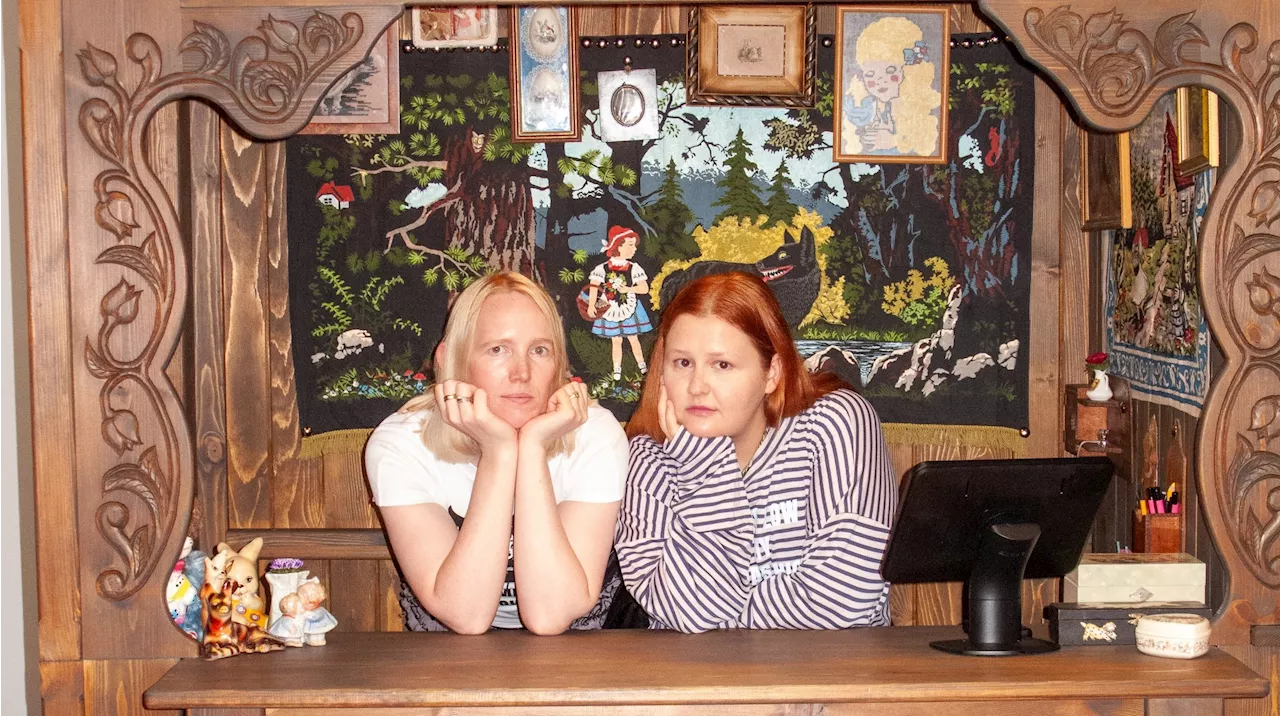
The era of the simple boutique is being replaced by a model that prioritizes community and curation. For example, the London-based label Chopova Lowena has opened its first permanent store at 84 Teesdale Street in East London, which the designers describe as a "clubhouse." The space features a unique skirt bar and is designed to function as an all-welcome social hub rather than a traditional shop.
This trend of blending retail with other cultural elements is also visible in Chelsea. As reported by WWD, the brand Ulla Johnson recently opened its first stand-alone destination outside the U.S. at 150 Sloane Street. In collaboration with the Sarah Myerscough Gallery, the store offers a rotating curation of art, including works by Aneta Regel and Marc Ricourt, allowing customers to purchase fine art alongside fashion.
Record-low 0.6% vacancy rates on the King’s Road and Mayfair
Demand for premium retail space is driving vacancy rates to historic lows across the capital's most affluent neighborhoods. According to Savills, the vacancy rate on the King’s Road hit just 0.6 percent in the second quarter of 2026, marking the lowest level since 2000 and sitting well below the 20-year average of 4.8 percent.
This surge in interest is coinciding with massive infrastructure investments by major property owners. The Grosvenor estate is currently transforming its Mayfair holdings, including a £25-million-pound redevelopment of Grosvenor Square. This project has introduced 80,000 flower bulbs and 44 new trees to the area, enhancing the historic appeal that continues to draw high-spending consumers to the West End.
Phoebe Philo and Issey Miyake join the West End luxury surge
High-profile designers are aggressively securing new footprints in London's most prestigious postcodes. The industry is watching closely as Phoebe Philo prepares to open her first store on Carlos Place, situated near The Connaught hotel. Similarly, Issey Miyake is planning a move into the former Matches townhouse, signaling continued confidence in the West End's ability to host global flagship stores.
Other major players are also reshuffling their locations to optimize their presence. On Old Bond Street, Alexander McQueen is expected to move into a smaller unit later this year, while the British jeweler Boodles is preparing to take over the former Stella McCartney space at 23 Old Bond Street to create a new townhouse concept store. In Marylebone, Loeffler Randall is expanding its reach with a new store on Chiltern Street, joining neighbors like Bella Freud and Mouki Mou.
Will Oxford Street's pedestrianization attract high-end shoppers?
While the luxury sectors of Mayfair and Chelsea are thriving, the future of mass-market landmarks remains a point of discussion. The city plans to fully pedestrianize the western leg of Oxford Street this October, adding more greenery and seating to encourage visitors to linger.. However, it remains to be seen if these improvements will successfully bridge the gap between high-street footfall and the high-end, experiential demand seen in the West End.
The report does not clarify if the mayor's office's efforts to improve the kilometer-long stretch will specifically attract the same affluent demographic currently driving the rental growth in Chelsea. Whether the pedestrianization of Oxford Street will create a seamless luxury corridor or remain a separate,mass-market entity is a question that will define London's retail landscape in the coming years.
Comments 0