

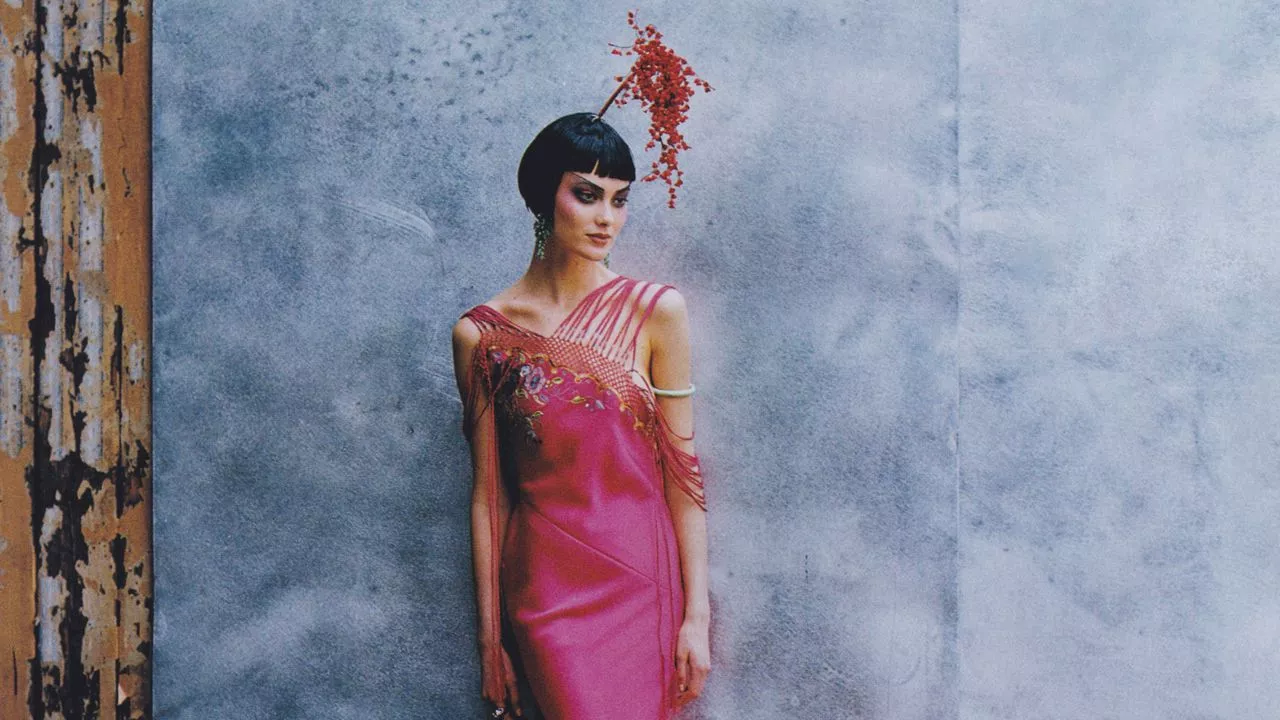
Modern life has become increasingly frictionless and automated, leading many to seek out more characterful possessions. In London, a growing number of fashion enthusiasts are turning away from branded resale sites in favor of unidentifiable, century-old garments.
Trading the algorithm for Portobello Market’s unsearchable treasures
Modern life's reliance on apps, e-bikes, and facial recognition is driving a desire for more tactile, "whimsical" experiences. As the report notes, the ease of same-day delivery and the predictability of capsule wardrobes have created a sense of dullness that many are looking to escape through fashion.
The shift toward century-old antiquity marks a departure from the highly searchable designer vintage found on modern resale sites. While the digital market allows users to hunt for known "grails" and specific runway seasons, there is a growing impulse to find objects that refuse easy identification. For many, the thrill lies in an item that has no label and an unknowable previous owner.
Why Thomas Moreton’s Crouch End collection is attracting "one of one" seekers
In London's Crouch End, dealer Thomas Moreton finds that customers are increasingly seeking out "one of one" pieces to differentiate themselves. His collection, which is housed in a candelabra-lit spare room, includes museum-quality items from legendary names like Gabrielle Chanel, Madeleine Vionnet, and Paul Poiret.
According to dealer Thomas Moreton, the appeal of these items lies in their rarity and the emotional connection they provide.. he notes that particularly popular items include vast boudoir robes, which were historically intended for activities ranging from lounging to "having a breakdown." These pieces offer a sense of being special that mass-produced or even widely available designer vintage cannot replicate.
From Dior’s organza to Ives’s hand-embroidered opera robes
High-fashion designers like Jonathan Anderson at Dior and Matthieu Blazy at Chanel are already reflecting this historical obsession in their recent collections. Anderson has utilized tiered organza and bustled silhouettes, while Blazy has reintroduced Art Deco-inspired dropped waists at Chanel.
The London-based designer Ives has also found success by creating "opera robes" fashioned from 19th-century tapestries and hand-embroidered kimonos. Although the brand initially struggled to find retailers, the pieces—which have been worn by celebrities like Sienna Miller and Rihanna—sold out within a week of being listed on the designer's own website. This success highlights a specific appetite among London customers for eccentricity over the standard "Alo yoga set" aesthetic.
What questions remain about the cost and care of these one-of-one finds?
While the trend of wearing history "incorrectly"—such as pairing Edwardian lace with Levi's or using corsets as outerwear—is gaining momentum ,several practicalities remain unaddressed. The report mentions that creatives like Canadian artist Chloe Wise and Caro Claire Burke embrace the "treasure hunt" of antique shopping, but it does not detail the actual price points for these unbranded pieces, other than noting that Ives's robes are expensive.
Furthermore,the logistics of maintaining such delicate,century-old textiles are left unexplored. While the trend emphasizes the need to "repair" and "learn about" these garments, the specific challenges of cleaning and preserving 19th-century lace or hand-embroidered tapestries for daily wear remain a significant unknown for the casual consumer.
Comments 0