

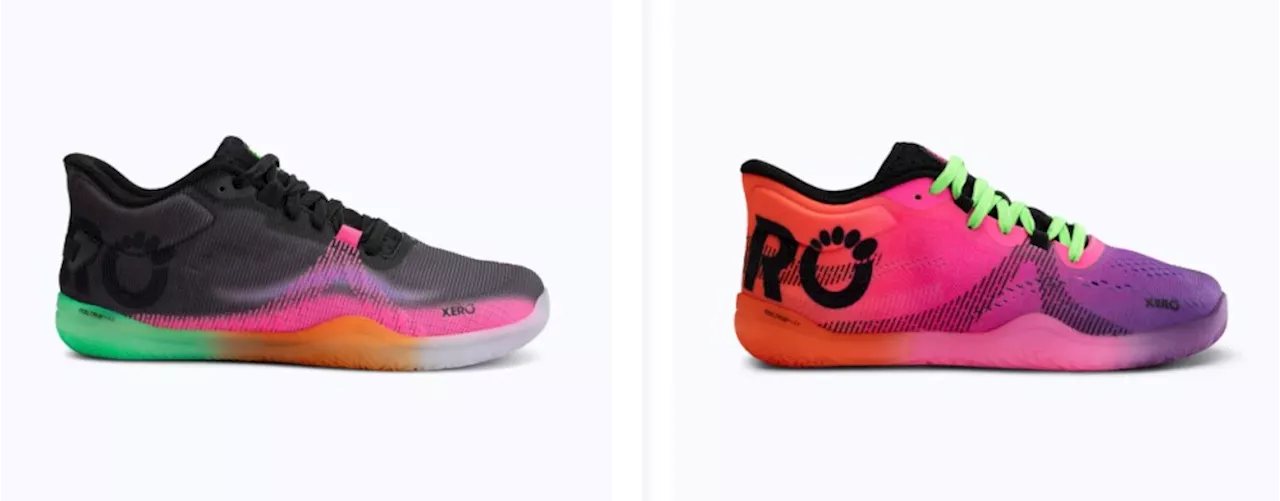
The resale platform Archive is expanding its footprint by helping footwear brands manage returns through dedicated resale channels. By refurbishing and reselling items from brands like Xero Shoes and Vionic , the company aims to turn high return rates into a circular economy opportunity.
Why "trying on for a day" creates a footwear waste crisis
The footwear industry faces a unique challenge with returns that differs significantly from the apparel sector. According to Archive's CTO Ryan Rowe, customers often purchase active footwear, wear it for a single day to test the fit, and then return it. this creates a "massive and growing problem" because these items are no longer in a condition to be placed back on a standard retail shelf as "perfectly good" new stock.
This cycle of quick returns contributes to significant waste, as many functional items end up in limbo. Archive’s business model, founded by Emily Gittins and Ryan Rowe in 2021, seeks to intercept this waste by providing the technology and infrastructure to keep products in use longer. The company, which has attracted investors such as Lightspeed, Fernbrook, Oscar de la Renta, and Bain Capital, focuses on helping brands steward their products beyond the initial sale.
Xero Shoes, Naturalizer, and Vionic's new resale channels
Several major brands are already leveraging Archive's technology to launch branded resale sites. Xero Shoes recently launched "Second Step," a platform where customers can buy returned or gently worn styles—including running, hiking, and sandal options—at a lower price point. Rachel Wilkie, Xero’s chief growth officer, noted that the lower entry price makes minimalist footwear more accessible to those hesitant to commit to full-price pairs.
Other brands , such as Naturalizer with its "ReNew" line and Vionic with "Revival," launched similar initiatives last month. While these brands soure inventory directly from customer returns, they also offer peer-to-peer capabilities. This allows individual customers to list their own pre-loved items and sell them directly to other shoppers on the dedicated resale site, creating a dual-layered marketplace for used goods.
From scuffs to zippers: How Archive refurbishes Dr. Martens
To ensure qualiity, Archive manages the cleaning and repair process to bring items back to an "as good as new" standard. For brands like Dr. Martens, this might involve minor repairs to buckles, zippers, or eye loops. Even subtle issues like a minor scuff or a lingering odor can prevent a shoe from being resold on a primary retail site, but Archive's refurbishment process is designed to address these specific concerns.
This model is also scaling internationally to meet global demand. In Germany, the brand Echo utilizes a dedicated resale site supported by a local fulfillment center that works in partnership with Archive to handle the cleaning and repair of returned goods. This ensures that even international consumers have access to a reliable, refurbished secondary market.
The gap between brand-inspected and peer-to-peer quality
While the brand-owned inventory undergoes strict inspection and refreshment, the peer-to-peer aspect of the Archive platform leaves some questions for the consumer. It remains unclear how much oversight Archive provides for individual customer-to-customer transactions compared to the highly vetted, brand-owned stock. Additionally, while the platform aims to solve the "returns problem," the exact percentage of total industry returns that can be successfully diverted into these resale channels remains unverified.
Comments 0