

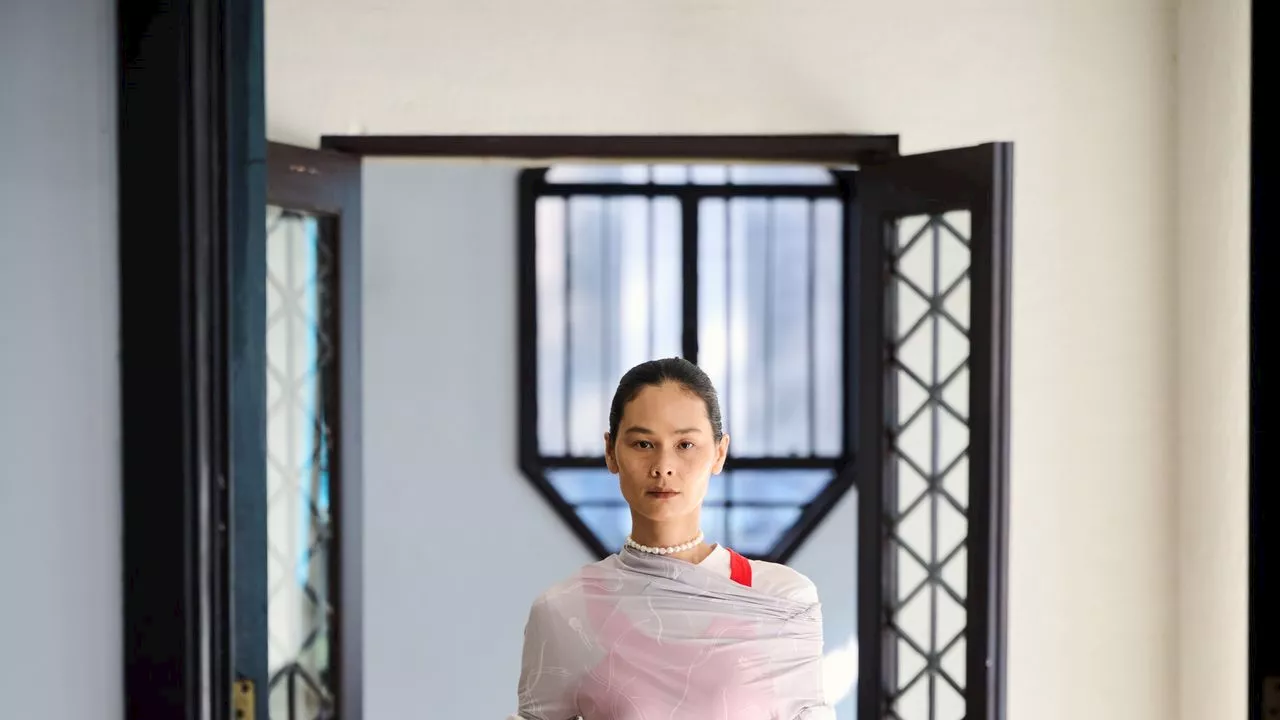
Shanghai is positioning itself as a major global fashion hub, challenging the long-standing dominance of cities like Paris and New York. The city's unique ecosystem blends high-end runway shows with a highly responsive digital market.
The Labelhood model: Bridging the gap between runway and retail
Shanghai's fashion scene is defined by an unusually close relationship between designers and the people who actually wear their clothes. Unlike the more hierarchical structures found in Europe or New York, where designers often dictate trends to a passive audience, the Shanghai community operates on a more direct exchange of ideas.
Tasha Liu, the founder of the independent platform Labelhood, observes that this proximity is one of the city's greatest assets. According to the report, Labelhood prvoides a space where the distinction between industry insiders and the general public is refreshingly thin, allowing for a feedback loop that encourages creativity. this movement reflects a wider shift in how global fashion power is distributed; for decades, the industry's conversation has been centered in a few Western cities, but Shanghai's integrated ecosystem of showrooms, retail, and e-commerce is creating a new, independent center of gravity.
How Kinyan Lam and others are modernizing traditional Chinese craftsmanship
A significant driver of this new movement is a renewed interest in Chinese heritage and traditional artisanal techniques. Rather than treating cultural history as a museum piece, designers are integrating ancient processes into contemporary,wearable collections.
For example, the Hong Kong-based designer Kinyan Lam utilizes traditional dyeing techniques sourced from rural areas in southwestern China to create moodern aesthetics. As the report notes, this approach allows designers to honor their cultural inheritance while maintaining a sensibility that appeals to younger, modern consumers. this trend of "everyday craftsmanship" stands in contrast to earlier generations who often treated Chinese tradition as a purely decorative or formal reference.
The economic shift favoring local labels over inflated luxury prices
The business infrastructure of Shanghai Fashion Week has been steadily evolving since 2015 to support this creative boom. Landon Du, the SWF Projects Director, explains that the city has developed a sophisticated ecosystem of presentations and business opportunities that helps sustain local talent.
Current economic conditions are also playing a role in the rise of domestic brands. While an economic slowdown has impacted general spending, it has created a unique opening for local designers. Because the prices of international luxury houses in China can be significantly inflated, younger consumers are increasingly looking toward local labels that offer a different kind of value and identity. This shift suggests that the choice for modern consumers is no longer just about which logo to wear, but which design identity feels worth the investment.
Could Feng Chen Wang or Samuel Gui Yang lead a major European house?
The ultimate trajectory for these rising stars remains one of the industry's most intriguing open questions.. While the talent in Shanghai is undeniable, it is still unverified whether these designers will focus on building domestic empires or if they will eventually transition to the helm of storied Western brands.
Specific names are already being whispered in fashion circles as potential candidates for global leadership. samuel Gui Yang has built a distinctive brand operating between Shanghai and London, while Feng Chen Wang has proven her ability to operate at a massive scale through major collaborations. While it is possible that a designer like Kinyan Lam could eventually bring his sensibility to a house like Chloé, the more immediate achievement may simply be the ability of Shanghai to allow its own fashion culture to flourish on its own terms.
Comments 0