

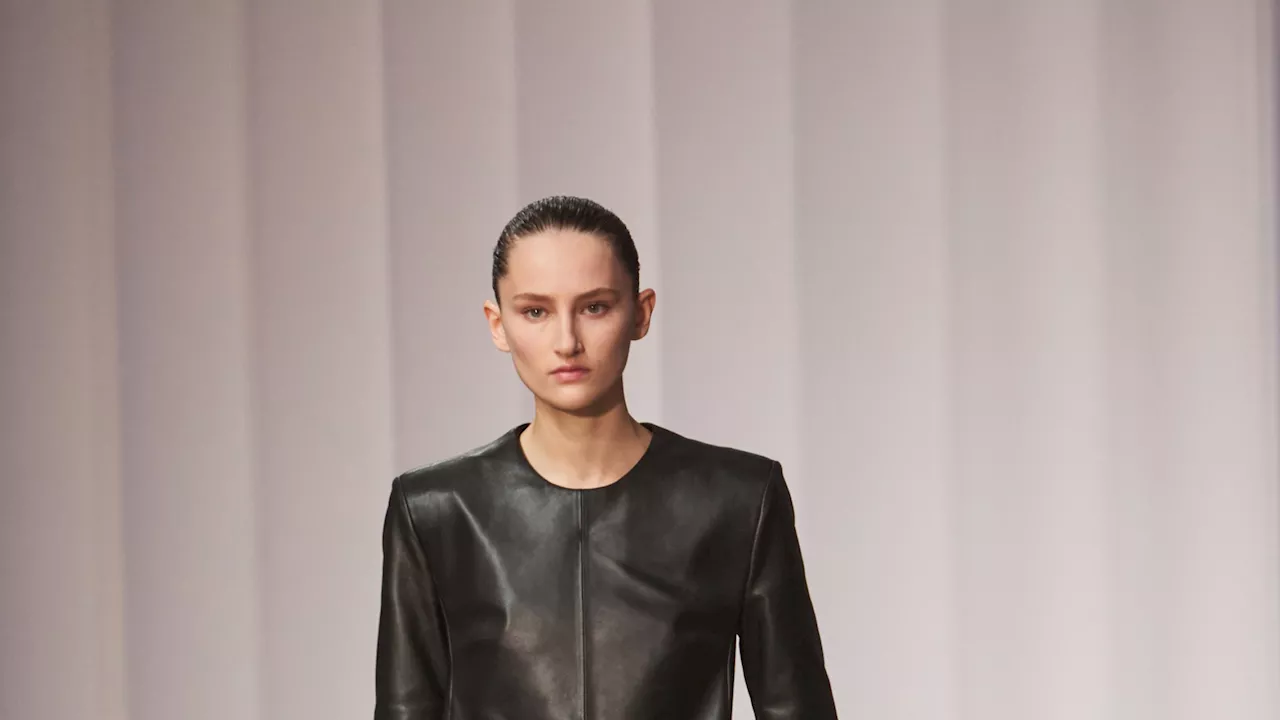
Jonathan Simkhai defied traditional seasonal expectations during his Spring 2027 Ready-to-Wear show. Instead of the usual lightweight fabrics, the designer utilized leather and heavy knits to create an "anti-spring" aesthetic.
Trading breezy linens for 90s-inspired leather suits
The move toward heavier textures reflects a growing trend in the fashion industry where seasonal boundaries are increasingly blurred. As the report notes, modern consumers are no longer strictly tethered to the calendar, often purchasing heavy coats in summer or swimwear in winter. Simkhai leaned into this "seasonless" reality by opening his show with a black leather T-shirt dress accented by white chiffon fringe.
This heavy-material approach extended to the menswear, which featured simple two-piece leather suits in cream and black. These pieces drew heavy stylistic comparisons to 1990s silhouettes, moving away from the airy, ethereal vibes typically associated with spring collections. For women, the collection offered fully-fringed leather maxi dresses designed to sweep the floor as models walked the runway.
The high-shine "jelly" coating that mimics latex without the discomfort
High-shine "jelly" coatings provided one of the most technically interesting developments in the Simkhai collection. These items, which included tanks and denim jackets, featured a specialized coating designed to mimic the look of rubber or latex while maintaining wearer comfort. According to the report, this allows for a "vacuum-sealed" look without the physical struggle of traditional latex garments.
Simkhai explained that the texture is "languid and not stiff at all," ensuring that the innovative finish does not compromse the ease of movement. By applying this jelly finish to more standard items like denim pants, the designer bridged the gap between avant-garde experimentation and wearable, everyday luxury.
Pincushion flowers inspire shaggy organza and chiffon textures
Pincushion flowers served as a primary visual inspiration for the more delicate, yet still highly textured, portions of the show. the designer translated the prickly-yet-pretty nature of these odd flowers into shaggy white tops and skirts constructed from layers of organza, chiffon, and paillettes. these pieces offered a softer counterpoint to the leather-heavy opening of the collection.
These sculptural, tiered knitwear pieces and shaggy textures were often paired with chic satin tuxedo coats. The combination created a stylistic tension between formal tailoring and playful, experimental textures, resulting in a collection that felt both sophisticated and ready for a party environment.
Does the move toward Loewe-style suede jackets siggnal a loss of direction?
Some pieces in the collection felt less distinct from the current luxury landscape, raising questions about the designer's unique trajectory. The report highlights that several boxy, colorful brushed-suede jackets felt more like an attempt to follow the aesthetic established by major houses like Loewe or Celine rather than pushing Simkhai's own boundaries. While these pieces were high-quality, they lacked the specific directionality seen in his more experimental knitwear.
This leaves a few questions for fashion observers: Is Simkhai intentionally pivoting toward a more commercial, trend-aligned aesthetic to capture a wider market, or is he losing the experimental edge that defines his brand? While the "jelly" innovation proves his creative mettle, the drift toward established luxury tropes suggests a tension between being a trendsetter and a trend-follower.
Comments 0