
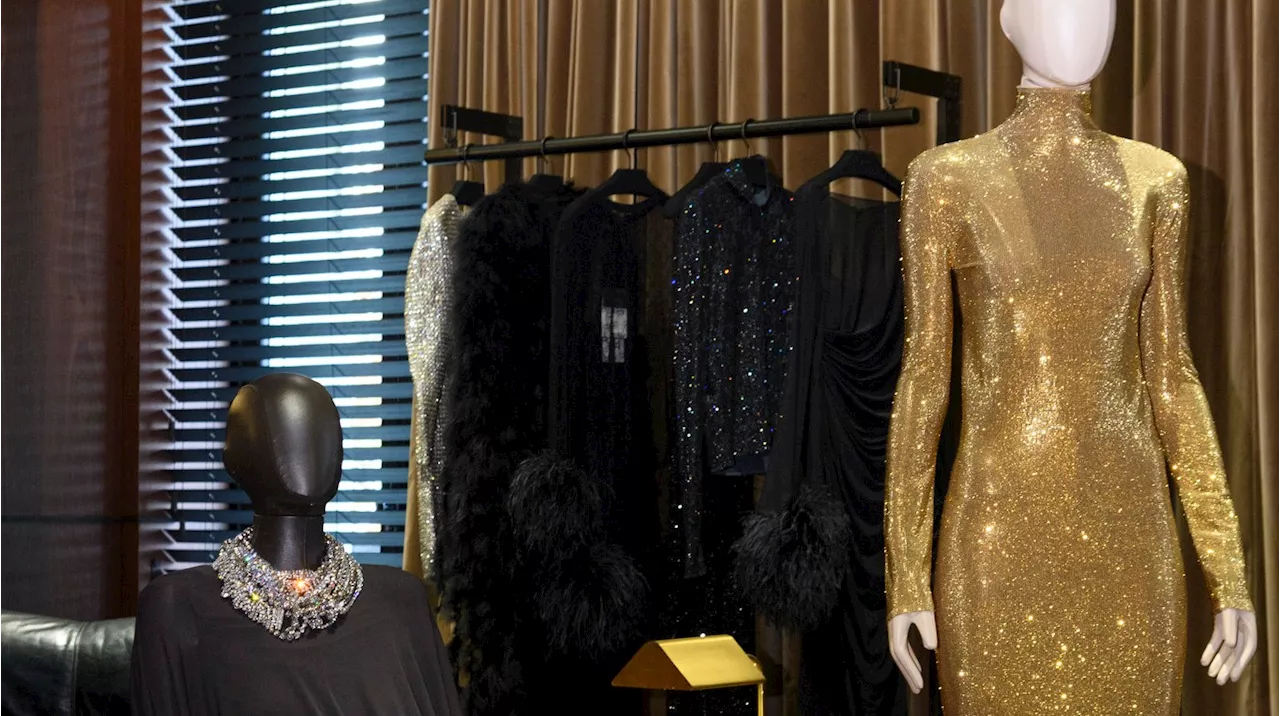
Gucci maintains a high-profile retail presence on the Avenue Montaigne in Paris. This location places the Italian luxury house in the center of one of the most exclusive shopping districts in the world.
The prestige of Avenue Montaigne's luxury corridor
Avenue Montaigne in Paris is not merely a street; it is a curated gallery of global wealth and haute couture. For any luxury brand, securing a footprint on this specific stretch of pavement is a rite of passage that signals arrival and permanence in the fashion hierarchy. The street is famous for hosting the most storied houses in history, creating a synergistic environment where the presence of one giant elevates the others.
By positioning itself here, Gucci aligns its brand identity with the architectural and cultural rigor of Paris. The proximity to other legacy houses ensures that the Gucci store attracts a specific demographic of high-net-worth individuals and fashion pilgrims who treat a stroll down Avenue Montaigne as a pilgrimage of style.
Gucci's strategic placement in the heart of Paris
The decision for Gucci to maintain a flagship on Avenue Montaigne is a calculated move in the landscape of global luxury. According to the source, the focus is specifically on the "inside" of the store, which suggetss that the brand is leveraging its physical space to create a controlled, immersive environment. In the luxury sector, the store is no longer just a point of sale; it is a temple of brand storytelling.
As the report indicates, the location in Paris allows Gucci to bridge the gap between its Italian heritage and the French epicenter of fashion. this duality is essential for a brand that seeks to dominate the global market while respecting the traditional boundaries of couture. The physical store serves as a tactile manifestation of the brand's current creative direction, offering a sensory experience that digital platforms cannot replicate.
The missing visual details of the Avenue Montaigne interior
Despite the report's emphasis on being "inside" the Gucci store, there is a notable absence of descriptive detail regarding the actual layout or aesthetic of the space. We are left wondering whether the interior reflects the maximalist energy of previous eras or the more streamlined, "quiet luxury" approach that has begun to permeate the industry. The specific materials used—whether marble, velvet, or avant-garde installations—remain unverified.
Furthermore, the report does not specify if this location features exclusive "salon" experiences or private shopping suites, which have become standard for top-tier flagships on Avenue Montaigne. Without these details, the "inside" remains a mystery, leaving the reader to imagine the opulence based on Gucci's general brand reputation rather than concrete evidence from the site.
How Gucci's Paris presence fits the experiential retail trend
The exisence of the Gucci store on Avenue Montaigne is part of a broader shift toward "experiential retail." Modern luxury consumers are less interested in the act of purchasing and more interested in the act of belonging. By creating a destination in Paris,Gucci transforms shopping into a cultural event, where the archhitecture and atmosphere are as important as the handbags and shoes on display.
This trend is echoed in how other luxury houses are redesigning their Parisian footprints to include cafes, galleries, or exhibition spaces. While the source does not explicitly mention such additions at the Avenue Montaigne location, the general trajectory of the industry suggests that Gucci is likely utilizing its Paris space to foster a deeper, more emotional connection with its clientele through curated environments.
Comments 0