

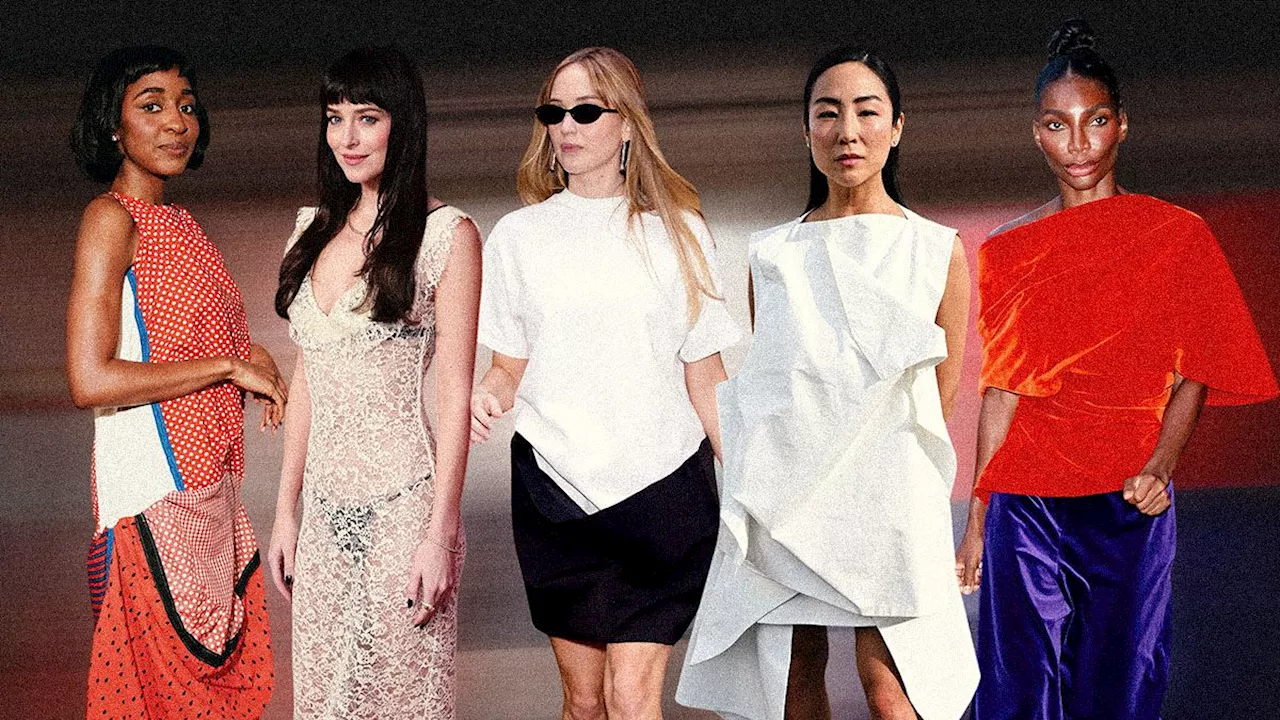
Emerging fashion designers are increasingly balancing the need for celebrity visibility with the necessity of maintaining a cohesive brand identity. While a single appearance by a star like Ayo Edebiri can trigger instant sell-outs, the process of lending expensive samples to high-profile talent remains a logistical and financial gamble.
The thousand-dollar risk of lending single samples to busy celebrities
Lending samples is a significant financial burden for emerging labels like Giovanna Flores, who often operates with limited resources. As Greg Mitola, founder of the communications firm Etagere, notes, an emerging brand is often paying for everything themselves, from the garment bag to the high-cost sample that can cost thousands of dollars to produce.
The logistical reality of celebrity dressing is often chaotic for small teams. According to the report, celebrity requests are frequently "elusive" and less organized than formal editorial styling requests from magazines. This lack of structure means designers often don't know if or when a talent will actually wear a look, making the commitment of a one-of-a-kind piece a massive risk.
Why Lii founder Zane Li chooses "smart" actors over viral sensations
Designer Zane Li of the brand Lii maintains a highly selective approach to celebrity dressing to protect his brand's specific aesthetic. Rather than chasing whoever is currently "hot" or viral on social media, Li focuses on working with people who align with the brand's values, such as Renate, Ayo, Eva, Greta, and Jennifer.
Maintaining a consistent visual language is a primary concern for designers like Giovanna Flores. While she has begun incorporating press photos of stars like Kathleen Hanna and Greta Lee into her social media, she emphasizes the importance of editing to ensure these moments don't overshadow the brand's core identity. This careful curation helps emerging designers build cachet without becoming mere accessories to a celebrity's persona.
The "double-edged sword" of a Kaia Gerber-induced sellout
A single celebrity appearance can trigger massive sales spikes that small brands may struggle to fulfill.. For example, when Kaia Gerber wore a Yana Matkivski dress to the US Open,the item sold out in both current stock and pre-orders. While this provides incredible visibility, brand consultant Chantale Mager points out that small brands often lack the immediate cash or production capacity to capitalize on such sudden demand.
This phenomenon was also seen with LVMH Prize winner Julie Kegel, whose brand experienced an almost instantaneous sell-out after Dua Lipa wore one of her looks.. For brands like Matkivski, which is launching on Net-a-Porter this season, these viral moments create a complex tension between satisfying immediate pre-orders and managing wholesale delivery timelines.
Who is responsible for the "elusive" celebrity request cycle?
The lack of communication between stylists and small designers remains one of the industry's biggest unanswered questions. While stylists like Danielle Goldberg help bridge the gap for brands, many designers are left wondering how to ensure they are notified when a look is actually worn so they can pitch the moment to outlets like Vogue.com .
There are several lingering uncertainties regarding how small brands can better navigate this landscape. It remains unclear how much influence a solo designer can truly have over a celebrity's styling choice, and whether the current "elusive" nature of requests will ever become more standardized. For now, designers are left to rely on building deep, personal relationships with stylists to ensure their expensive samples are both seen and returned.
Comments 0