
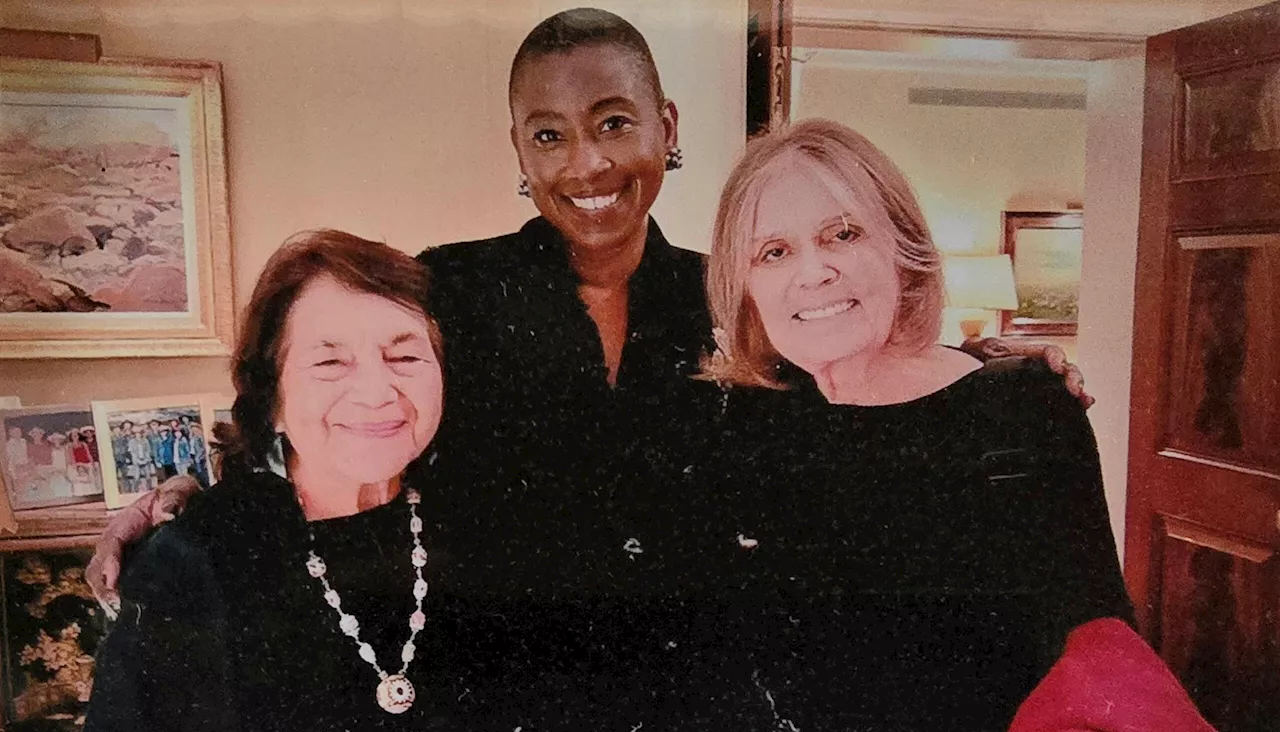
Gloria Steinem’s life was defined by a relentless pursuit of bodily autonomy and the power of female storytelling. Born in 1934, the activist's journey from a difficult childhood to global leadership shaped the modern feminist movement.
From a traveling caravan to caring for a mother with mental illness
Steinem's early life in Toledo, Ohio, was far from the polished image of a media icon. As Dr. Michele Bratcher Goodwin notes, Steinem's childhood involved a father who left the family and a mother struggling with mental illness and hallucinations. Growing up in a traveling caravan, Steinem often had to prioritize caregiving over her own education.
This personal history provides a window into why she viewed reproductive autonomy not just as a political issue, but as a fundamental necessity for freedom. Her experience navigating a world that often pressured women to conform to narrow roles deeply influenced her later decision not to have children, a choice rooted in the heavy responsibility she carried as a young girl.
A secret procedure in London at age 22
The fight for reproductive rights was personal for Steinem long before it became a mainstream movement. At age 22, while engaged, she traveled to London to terminate a pregnancy, a move necessitated by the restrictive laws in the United States at the time. The report highlights her gratitude toward Dr. John Sharpe, the physician who assisted her and asked only for her silence and a promise to live her life fully.
This moment underscores the life-and-death stakes that women faced when seeking medical care for reproductive health. For Steinem, the ability to govern one's own body was the essential starting point for the freedom to shape an entire life.
The 1963 undercover mission at the Manhattan Playboy Club
Steinem used her platform to expose the systemic sexism embedded in popular culture, most notably during her 1963 undercover stint at the Manhattan Playboy Club.. By writing about the "seedy and sexist reality" of Hugh Hefner’s empire, she challenged the way women were perceived and treated in the media. This investigative approach helped pave the way for Ms. Magazine, where she and collaborators like Dorothy Pitman Hughes treated women's social and political perspectives as worthy of serious journalism.
According to the report,the magazine received "bags of letters" from women realizing that their private hardships—from leaving violent marriages to seeking work—were actually shared political realities. Steinem became a "truth-teller" who helped women see themselves as credible narrators of their own lives.
Can the 'champion noticer' legacy survive a post-Roe reality?
While the report by Dr. Goodwin provides a celebratory tribute to Steinem—noting that Barack Obama awarded her the Presidential Medal of Freedom in 2013—it focuses primarily on her historical triumphs. This leaves several questions for the current generation: How will the grassroots tactics she learned in India translate to today's digital-first activism? And can the legal protections fought for by figures like Ruth Bader Ginsburg be effectively restored in the current political climate?
As rights are being dismantled in a "post-reality" era, the question remains whether the revolution Steinem helped light can be reignited by those navigating a landscape where women's authority over their own bodies is once again under threat.
Comments 0