

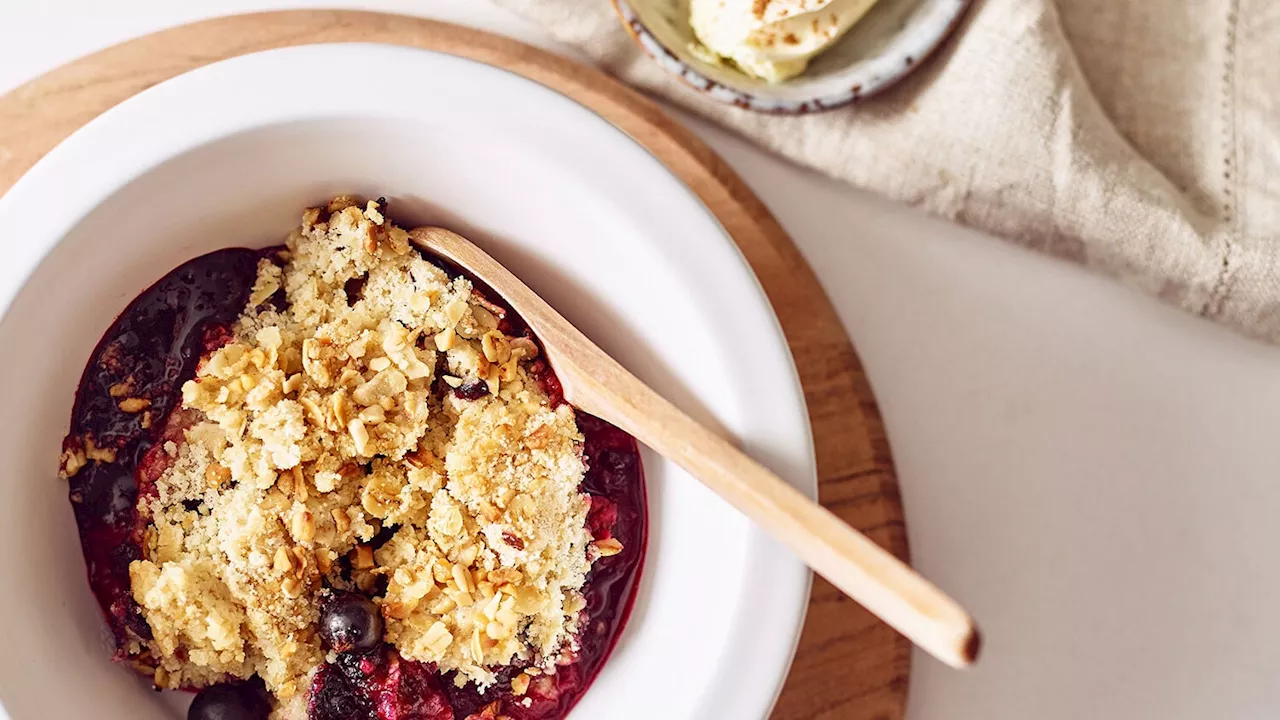
As autumn settles in, Stylist.co.uk is highlighting the nutritional benefits of blackcurrant crumble to combat seasonal sniffles. The recipe focuses on using seasonal fruit to boost vitamin intake during the transition into colder months.
Why blackcurrants pack nearly triple the vitamin C of oranges
While many reach for citrus when they feel a cold coming on, the latest report from Stylist suggests looking toward the blackcurrant instead. according to the publication, these small fruits contain nearly triple the vitamin C levels found in oranges, making them a potent tool for seasonal health.
Beyond vitamin C, blackcurrants are a complex source of nutrition. The report notes that they are packed with vitamins A, B5, B6, B1, and E. This makes the fruit more than just a flavor enhancer; it is a functional ingredient for anyone looking to maintain their strength as the seasons change. This nutrient density makes the blackcurrant a standout choice for autumn wellness.
A plant-based recipe using hazelnuts and demerara sugar
The recipe provided by Stylist.co.uk is designed for seasonal flexibility, allowing for the use of whatever fruit is currently in abundance, such as apples or foraged blackberries. This specific version focuses on a combination of apples and blackcurrants tossed with lemon juice and granulated sugar.
To keep the dish plant-based, the instructions call for rubbing plant-based butter into the dry ingredients until they resemble coarse breadcrumbs . The addition of chopped hazelnuts and a sprinkle of demerara sugar adds texture and a deeper flavor profile. For those using individual ramekins, the baking time is reduced to between 25 and 30 minutes, compared to the standard 40 minutes required for a 1-litre ovenproof dish.
From foraged blackberries to blackcurrant season
This recipe arrives amidst a growing trend of "functional eating," where consumers look to specific ingredients to solve biological problems, such as seasonal sniffles. Instead of viewing dessert as a mere indulgence, the movement treats seasonal produce as a way to align the body with the changing environment.
By utilizing fruits that are currently in season, such as blackcurrants or foraged blackberries , people are moving away from the highly processed, year-round availability of supermarket staples. This shift toward seasonal eating mirrors a broader interest in "slow food" and the nutritional density found in produce at its peak, such as the current blackcurrant season.
The question of sugar versus the "September sniffles"
While the nutritional benefits of the fruit are clear, the recipe's reliance on granulated sugar, demerara sugar, and potentially sweet accompaniments like ice cream leaves an open question for the health-conscious. It is not explicitly stated how the high sugar content might interact with the body's immune response during a cold.
The source focuses on the vitamins A, B5, B6, B1, and E, but does not address the potential impact of a high-glycemic dessert on overall wellness. readers may want to consider if a lower-sugar version of this crumble, perhaps using more fruit and less demerara sugar, would better serve their goal of fighting off the "September sniffles."
Comments 0