
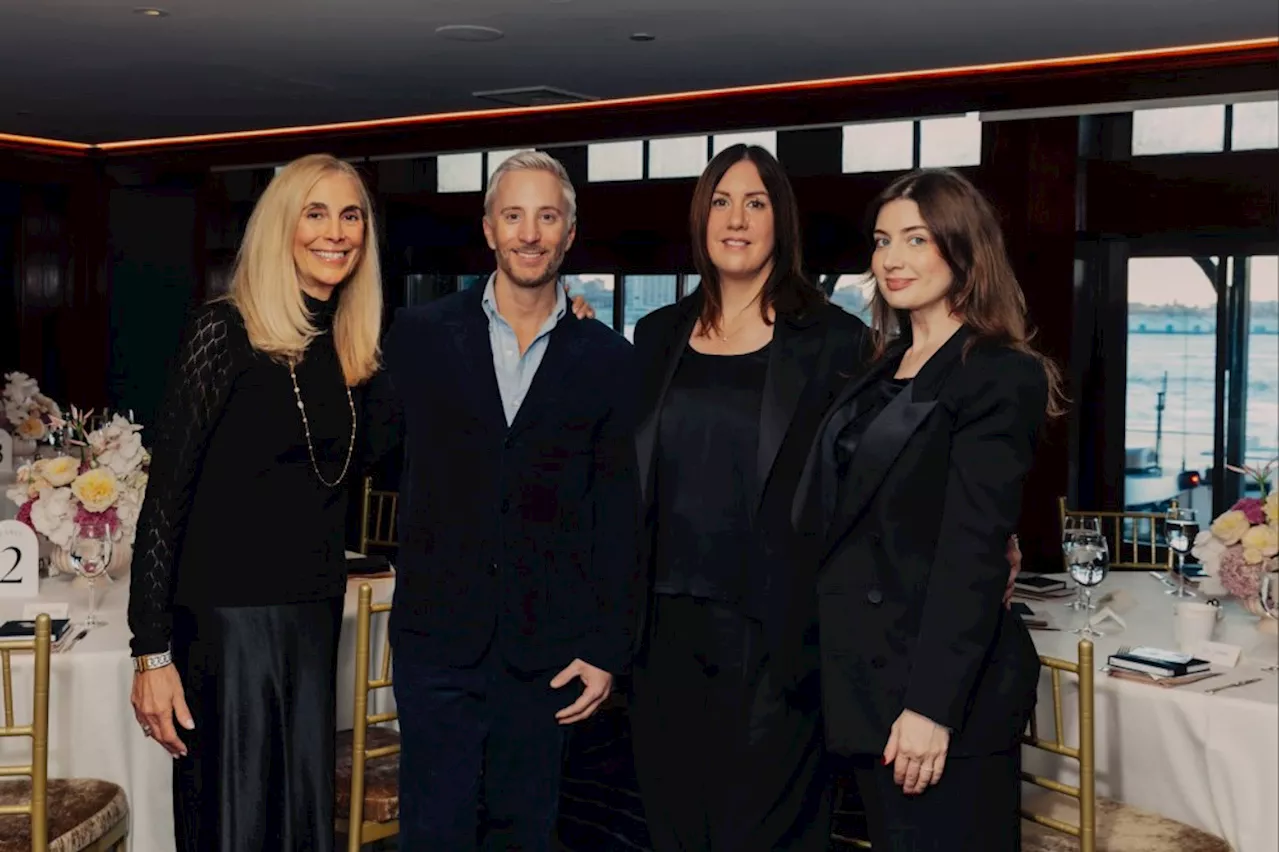
Disney executives hosted an exclusive breakfast at the WWD 2026 CEO Summit to discuss the intersection of entertainment and global retail. The event highlighted how the company uses its iconic characters to fuel massive brand collaborations and maintain cultural relevance .
The $63 billion retail engine behind Disney's global reach
Disney is proving that being an entertainment giant is only half the battle; the real magic happens in the retail sector. As reported at the WWD 2026 CEO Summit, Disney's licensing agreements have successfully generated more than $63 billion in retail sales across the globe. This massive revenue stream is fueled by a presence in more than 180 countries, turning animated characters into tangible consumer goods that people invest in.
This scale represents a broader shift in how media companies operate, moving from simple content providers to lifestyle architects. By tapping into deep-seated fandom, Disney ensures that its influence extends far beyond the movie screen and into the wardrobes of consumers worldwide, creating a sense of emotional resonance that keeps the fandom alive.
From Balenciaga to Zara: Disney's high-low fashion strategy
The company's approach to fashion is remarkably diverse, spanning the spectrum from ultra-luxury to high-street staples. According to Disney's Shortreed, the brand's collaborations include high-fashion powerhouses like Balenciaga and Levi’s, as well as more accessible names like Zara and designer Harry Lambert. These partnerships, which also include Gentle Monster, are designed to keep Disney at the "heart of culture."
Shortreed explained that these collaborations are not just about slapping a logo on a product, but about merging creative visions through craftsmanship and storytelling. This "high-low" strategy allows Disney to maintain prestige through luxury partnerships while simultaneously capturing the mass market through rapid-response fashion collaborations that meet consumers where they are.
Industry heavyweights like Nordstrom and Lilly Pulitzer at the WWD summit
The VIP breakfast at the WWD summit drew an impressive roster of industry leaders, including representatives from Nordstrom, Bloomingdale’s, and Lilly Pulitzer. Other notable attendees included Diane von Furstenberg, PVH, Karla Otto, and La DoubleJ, all of whom are navigating a retail landscape where storytelling is a key driver of value. To emphasize the company's creative roots, Disney also brought artist Jeff Shelly, a 30-year veteran of the company, to create bespoke character artwork for the attendees.
For these brands, the Disney model offers a blueprint for how to build enduring legacies. By focusing on "timeless stories" and "distinctive creativity," Disney creates emotional connections that drive consumer investment . This is particularly relevant as the lines between fashion, music, and technology continue to blur in the modern market.
Which new luxury partners will follow the Balenciaga model?
While the success of current partnerships is clear, several questions remain about the future of Disney's fashion roadmap. The report highlights the strength of existing ties with Balenciaga and Zara, but it does not specify which upcoming brands are currently in the pipeline for 2026. It remains to be seen if Disney will lean further into the luxury sector or continue its heavy involvement in mass-mraket retail.
Furthermore, while Shortreed emphasized the importance of remaining "authentic to culture," the specific methods Disney will use to navigate the rapidly changing intersection of technology and fashion remain unaddressed.. It is also unclear how the company plans to expand its $63 billion retail footprint into even more emerging markets beyond its current 180-country reach .
Comments 0