

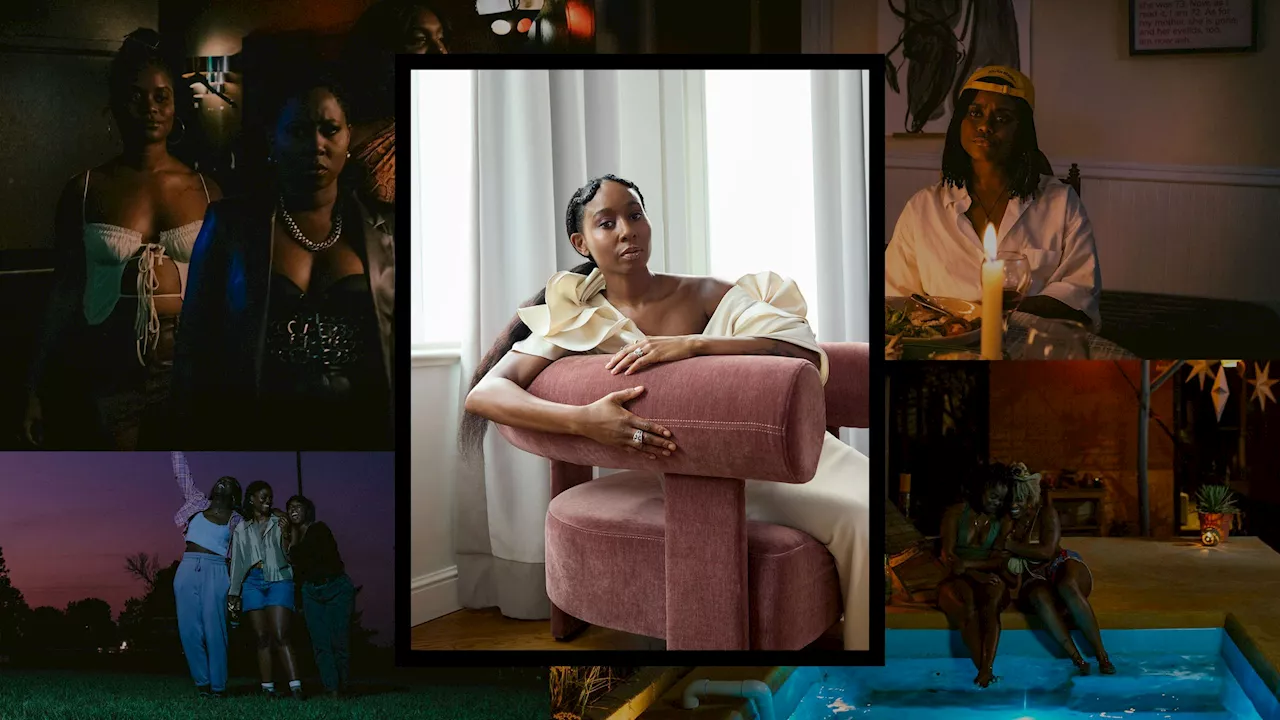
An actress shares her personal struggle with clinical depression while navigating a volatile career in the entertainment industry. Writing about her journey from Michigan to the heights of media, she details the emotional toll of pursuing a creative life amidst systemic instability.
A pivot from the Ross School of Business to VH1 and MTV
The tension between professional stability and creative fulfillment often forces many young professionals into a cycle of "hustle culture." As the author reports,she initially sought a more predictable path by attending the University of Michigan’s Ross School of Business, despite her deep-seated desire to pursue the arts. This choice was driven by a fear of disappointing her immigrant parents and a desire to avoid the financial instability that often plagues creative careers.
After college, she spent two years working in the music television sector at companies including VH1, MTV, and Fuse Networks. While these roles provided a stable paycheck and felt like a compromise between her business education and her passion for art, the author notes that the expected happiness never arrived.. This period highlights a broader trend among Gen Z and Millennial creatives who attempt to "bridge" the gap between corporate security and artistic identity, often at the expense of their mental well-being.
The Harlem bridge panic attack and the reality of "coping"
Clinical depession can manifest in physical ways that are often ignored until they reach a breaking point. The author describes a harrowing morning while jogging across a bridge in Harlem, where she experienced intense vretigo and shaking so severe that she had to crawl to cross. this incident led to a diagnosis of high-functioning depression and frequent panic attacks, even as her career appeared to be reaching new heights.
According to the essay, the realization that healing from clinical depression is a lifelong journey changed her perspective on recovery. Rather than seeking a permanent "cure," she has focused on learning to self-regulate and manage the symptoms through therapy. This distinction between "healing" and "coping" is a vital one for many women navigating high-pressure environments where the expectation is to remain "on" and productive regardless of internal struggle.
The "bankability" catch-22 for dark-skinned Black women
Systemic inequities in Hollywood create unique mental health stressors for Black women in entertainment. The author points to a specific "catch-22" where dark-skinned Black women are frequently denied lead roles because they are not deemed "bankable" by major studios. This lack of representation makes it difficult for creators to secure the funding necessary to produce their own projects and break through established barriers.
The instability of the industry is compounded by the pressure to conform to specific beauty standards, which the author notes contributed to her own struggles with an eating disorder. For many Black women in the industry, the fight for mental health is inseparable from the fight for systemic visibility and the right to be seen as a viable commercial commodity.
Will Hollywood ever value creators who aren't "commodities"?
While the author has found strength in her community and her ability to use acting as a tool for emotional exploration, significant questions remain about the industry's structure. It is still unclear if the entertainment business can ever provide the stability required to support artists managing chronic mental health conditions. Furthermore, the industry has yet to prove it can move past the narrow definition of "bankability" to embrace a more diverse range of Black women in leading roles.
Comments 0