

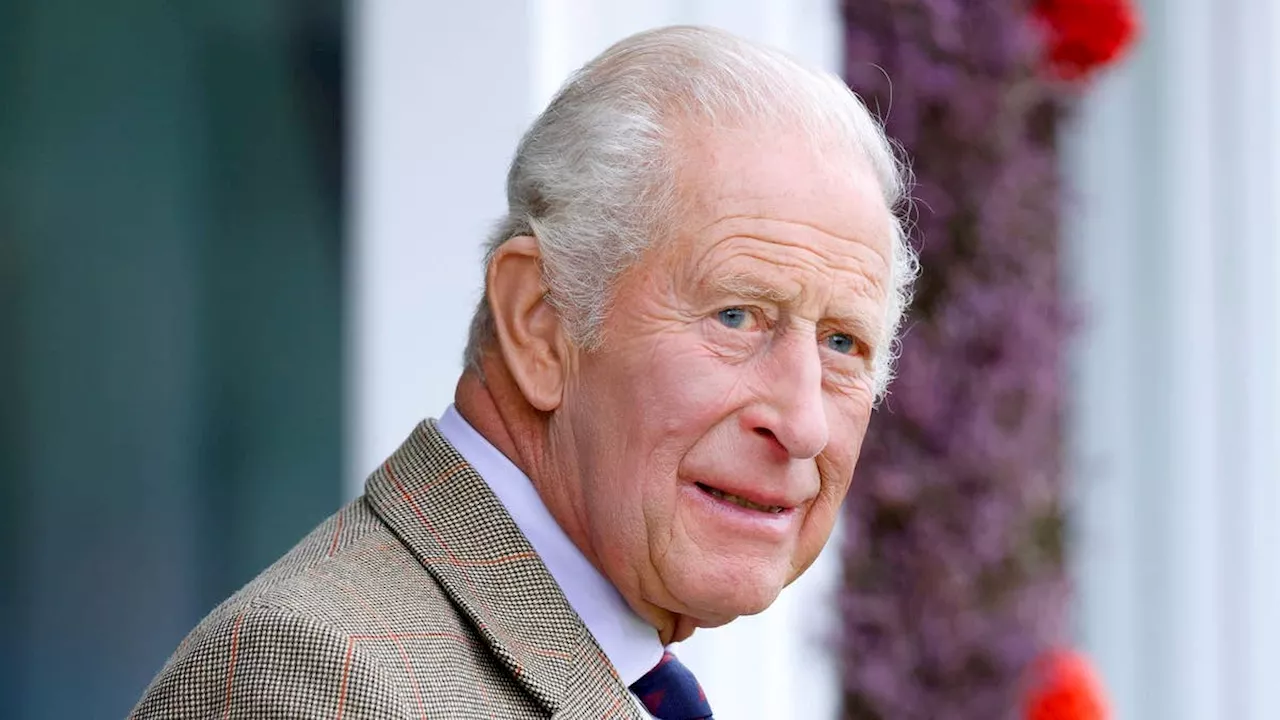
Following explosive claims in Charles Spencer's upcoming memoir, Swan Song: Diana, My Sister, King Charles III has broken long-standing royal protocol to issue a swift rebuttal. the 9th Earl Spencer alleges that during a 1997 dispute over funeral arrangements, the then-Prince of Wales claimed the family would "rest assured, we’ll forget her soon enough."
The "Rest assured, we'll forget her soon enough" bombshell
The controversy centers on allegations made by Charles Spencer regarding a heated telephone argument in 1997. According to the report, Spencer claims the then-Prince Charles became "ballistic" during a disagreement over whether young Princes William and Harry should walk in their mother's funeral procession. Beyond the alleged remark about forgetting Princess Diana, Spencer further claims that Charles appeared "giddily elated" following her death.
The Palace responded with an uncharacteristic level of directness. As the report states, the Palace issued a statement noting that the King is mindful of how "fraternal grief can cloud reason" and affect memory. This rapid response marks a significant departure from the traditional royal stance of remaining silent in the face of personal accusations.
Why King Charles is ditching the "never complain, never explain" rule
For decades, the British monarchy operated under the strict doctrine of "never complain, never explain," a strategy designed to maintain an air of untouchable dignity. However, this recent clash with Charles Spencer suggests a fundamental shift in how the institution handles public scrutiny. This move is part of a broader trend where the monarchy is becoming more proactive rather than reactive to preserve its reputation.
Royal expert Katie Nicholl suggests that the King is actively "flexing his constitutional muscle" to establish clear boundaries. Instead of waiting for scandals to define the narrative, the King is stepping in to manage how the public perceives the family's history and current members. This transition from a passive to a proactive stance represents a major evolution in the modern monarchy.
The Lord Chamberlain’s letter and the HRH title dispute
The King's new approach to boundary-setting is not limited to responding to memoirs; it also extends to the status of Prince Harry and Meghan Markle. A formal letter sent by the Lord Chamberlain recently reiterated that the Sussexes remain "private citizens" and are not permitted to use the titles of "His and Her Royal Highness."
This decision serves as a clear signal regarding the limits of royal engagement for the couple.. The correspondence confirmed that any activities undertaken by Harry and Meghan will be in a private capacity and will not represent the Royal Family. This move was wideely interpreted as a strategic way for the King to define the parameters of the Sussexes' relationship with the institution before any potential UK visits.
The tension between Harry’s reconciliation and Spencer’s "monstrous" claims
While the King is attempting to stabilize the institution, several critical questions remain unanswered. It is currently unclear how Prince Harry will navigate the emotional minefield of reconciling with his father while his uncle, Charles Spencer, is making such "monstrous" allegations about the family's past. Furthermore, while the report mentions Prince William's distaste for the commercialization of his mother's memory, his specific reaction to these new claims remains unknown.
The situation leaves the Royal Family in a delicate position.. As the King attempts to take control of the narrative, the conflicting accounts from the Spencer family and the Palace create a complex web of loyalties that could impact the stability of the monarchy for years to come.
Comments 0