
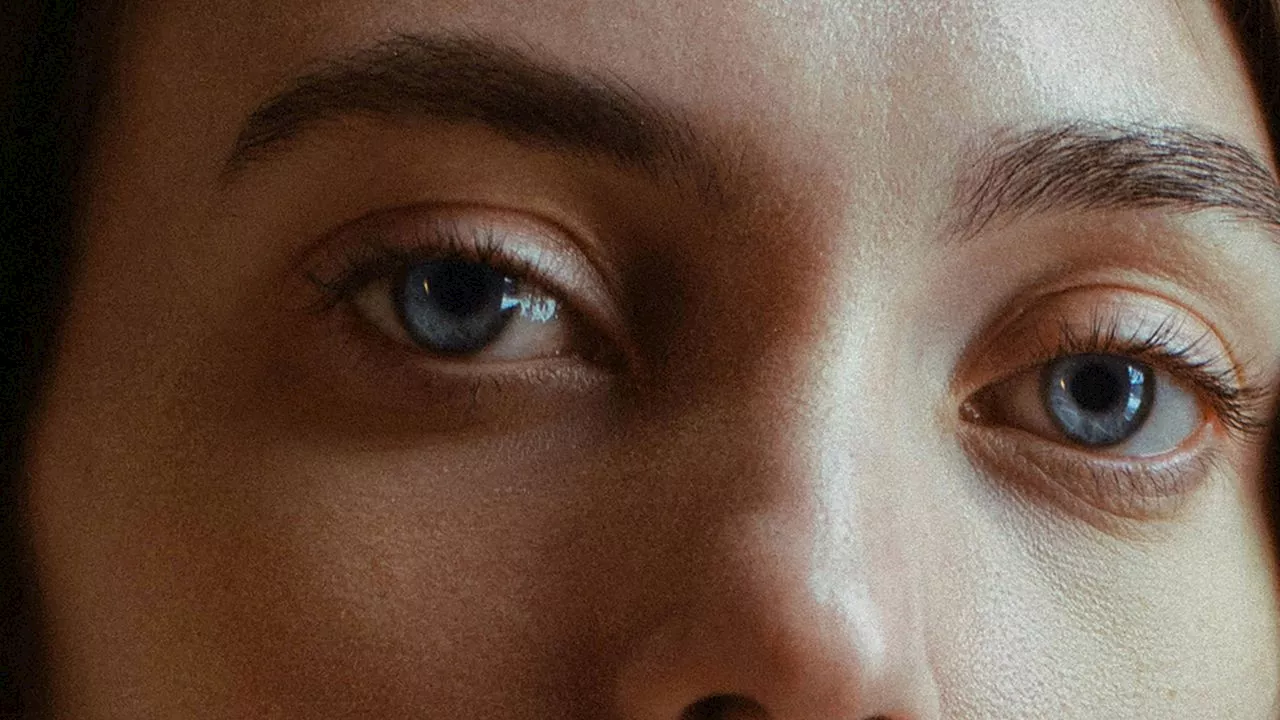
The skin surrounding our eyes is exceptionally delicate and prone to rapid aging. While various creams promise to smooth fine lines, medical experts suggest these products are most effective as preventative tools rather than cures for deep wrinkles.
The rise of high-potency ingredients like SkinCeuticals’ 7.15% Proxylane
The skincare market is increasingly leaning into highly concentrated formulas to combat the natural thinning of the skin around the eyes. SkinCeuticals’s A.G.E. Eye Complex is a prime example of this trend, utilizing patented ingredients rather than standard topical blends.. According to the report, the formula features a strong blend of 7.15% concentrated Proxylane, which is designed to improve elasticity and correct signs of aging.
In addition to Proxylane, the SkinCeuticals product incorporates a 3% Matrixyl 3000 peptide complex. Dr. Yoo, a dermatologist in New York, notes that this specific peptide helps to firm the skin and improve the appearance of wrinkles in the delicate orbital region. This move toward sophisticated, high-percentage ingredients reflects a broader consumer demand for clinical-grade results at home.
Balancing 0.1% retinol and La Roche-Posay’s gentle formulas
A significant trend in modern eye care is the move toward "gentle efficacy," where potent ingredients are buffered to prevent irritation. Some by Mi addresses this by offering an "Intense" formulation that contains a relatively low 0.1% concentration of retinol. To prevent the drying effects often associated with retinoids, the brand pairs the retinol with niacinamide, an anti-inflammatory ingredient, alongside Centella asiatica and hyaluronic acid for plumping.
La Roche-Posay also caters to this need for sensitivity-friendly anti-aging. As the report mentions, Dr.. Castilla favors this eye cream because it provides a time-released retinol that works gradually throughout the night to minimize irritation. The formula also utilizes vitamin C, vitamin E, and glycerin to target dark circles and puffiness, making it a more accessible option for those with reactive skin.
Targeting the orbital region with 96 LEDs
Technological innovations like red light therapy are providing hands-free alternatives to traditional topical applications. One such device uses 96 LEDs across four specific light wavelengths—amber (605nm),red (630nm), deep red (660nm), and infrared (880nm)—to stimulate collagen. This method is designed to be a quick, three-minute treatment that can be used to complement neurotoxin treatments like Botox.
Vanessa Coppola, a board-certified nurse practitioner, suggests that this type of light therapy is particularly effective for the orbital region, which can be difficult to treat with standard modalities.. By using specific wavelengths to ease inflammation and accelerate collagen production, these devices offer a way to address crepey skin texture without the need for constant topical layering.
The uncertainty of growth factors and deep muscle-driven folds
Despite the variety of available treatments, several questions remain regarding the long-term efficacy of certain ingredients and the limits of topical care. For instance,while growth factors are used to stimulate cell repair, the report notes they may not have the same level of clinical evidence supporting them as retinoids. There is also the question of how much a cream can truly impact structural changes, such as hooded eyes, which are often a result of aging rather than just surface dehydration.
Furthermore, dermatologists warn that topicals have a fundamental limitation: they cannot stop the physical movement of facial muscles. Dr. Ilyas, a dermatologist in King of Prussia, PA, points out that because crow's feet are often caused by the underlying muscular activity of squinting, a cream will not stop those muscles from moving. While topicals can soften lines, the report suggests that for deep-set folds or true skin laxity, injectable neuromodulators like Botox or Dysport remain the gold standard.
Comments 0