

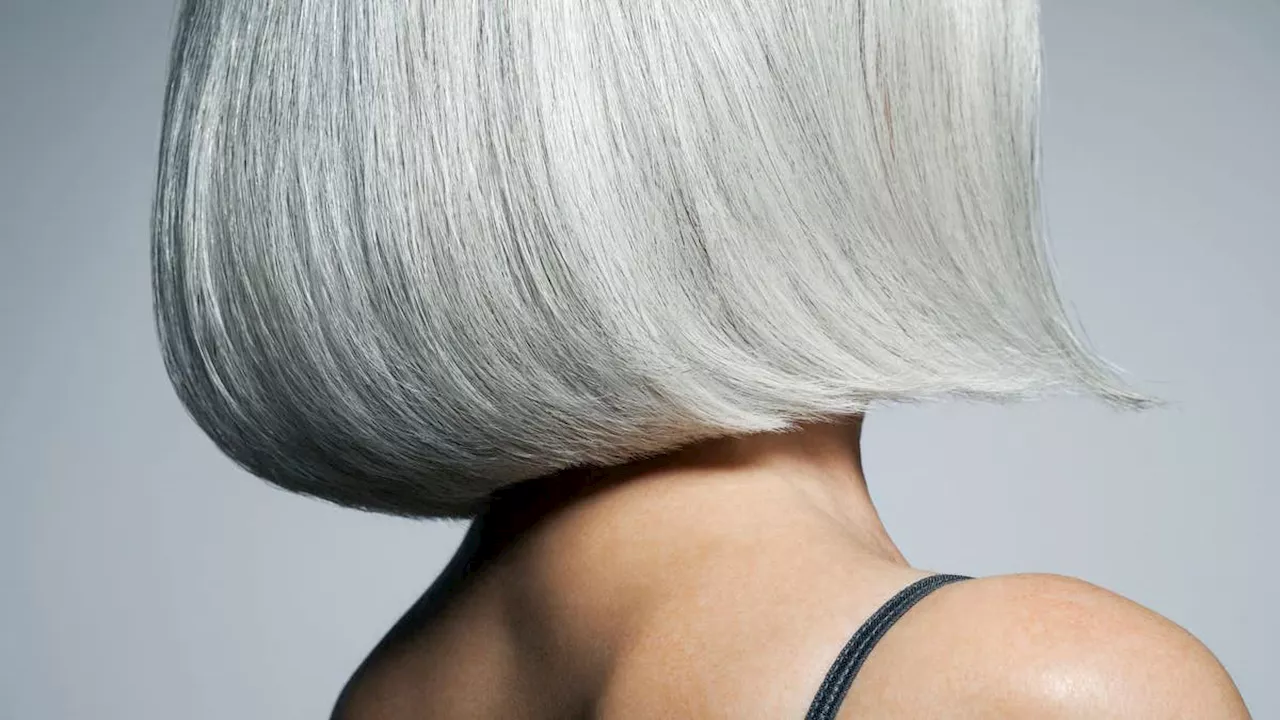
Dermatologist Dr. Aamna suggests that while age-related pigment loss is difficult to undo, certain environmental and biological triggers might offer a way back. Recent studies indicate that hair color can sometimes return to normal once acute stress levels subside.
The link between acute stress and reversible silver strands
Hair color is not always a permanent one-way street, particularly when the cause is temporary. According to Dr. Aamna, a consultant dermatologist, there is "fascinating" research suggesting that hair greying linked to acute stress can sometimes reverse once that stress is resolved.
This biological phenomenon is closely tied to the energy levels within our cells. Mitochondria, which act as the tiny power stations inside our cells, supply the energy required to build every strand of hair. When stress levels spike, the resulting hormones may disrupt the pigment-producing processes, but as the stress eases, those processes can potentially switch back on.
How low iron and vitamin D trigger premature greying
Nutritional deficiencies are a primary culprit for those noticing silver strands in their 20s or 30s. Dr. Aamna reports that patients experiencing premature greying frequently present with low levels of iron, copper, and vitamin D.
Addressing these gaps through diet may help prevent the constant need for box dyes. Experts suggeest incorporating specific foods into your routine to support hair health: lentils are recommended for iron to support melanin, salmon for vitamin D to aid the hair growth cycle, and sunflower seeds for zinc to assist in follicle repair.
The biological hurdle for topical pigment-restoring products
Most topical hair treatments face a significant challenge when it comes to actually changing hair color. For any product to influence pigment, it must penetrate deep enough to reach the living part of the follicle and reactivate cells that have already slowed down.
While some products claim high success rates—one mentioned in the report boasts a 91% satisfaction rate in slowing the appearance of grey hair—Dr. Aamna notes that supporting the follicular environment is fundamentally different from restoring lost pigment. Protecting the follicle from oxidative stress is a valid goal, but it is not a guaranteed way to bring color back to hair that has already turned white.
Can science reactivate depleted melanocytes in the follicle?
A major unanswered question remains regarding the limits of medical intervention for age-related greying.. Because the pigment cells, known as melanocytes, are often completely depleted by the time hair turns white, there is currently no proven treatment that can reliably re-pigment them.
While the science of stress-induced reversal is promising, it remains unclear if we will ever develop a way to "re-awaken" cells that have naturally wound down due to aging.. For now, the most credible approach focuses on protection and delay rather than a total reversal of the aging process.
Comments 0