

The Biology of Color Perception
Color is more than just a visual stimulus; it is a complex language that our brains decode the second we enter a room. When light waves hit the retina, they trigger a cascade of signals to the hypothalamus—the command center of the endocrine system. This explains why certain shades induce a state of relaxation, while others ramp up our heart rates. Your living room is the sanctuary where you unwind after a long day, so choosing a color palette that aligns with your specific psychological needs is essential for long-term well-being.
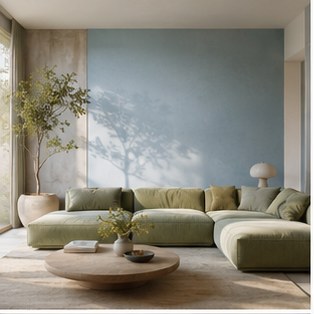
The Calming Power of Blues and Greens
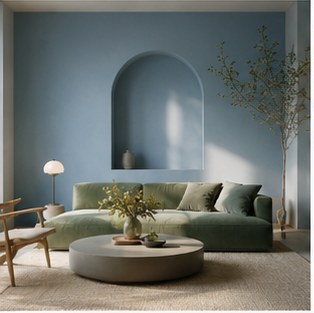
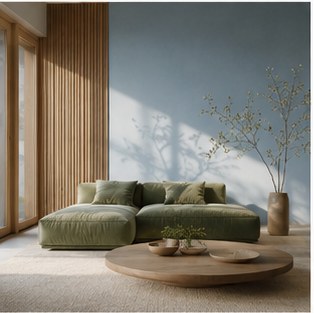
Stepping into a room bathed in soft sky blue or muted sage feels like a collective exhale. These shades exist on the cooler end of the spectrum and are scientifically linked to lower blood pressure and a slowed heart rate. Blue mimics the tranquility of the ocean and the sky, grounding the mind and promoting deep focus. If you struggle with end-of-day anxiety, a soft, powder blue wall can provide a neuro-biological 'brake' for your stress levels.
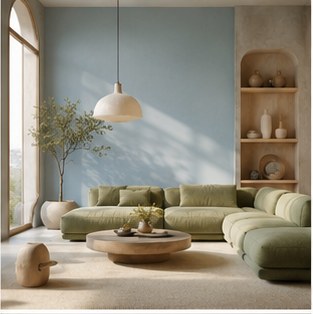
Green, however,occupies a unique position as it requires zero adjustment by the eye. Because it sits at the very center of the visible spectrum, it's the least taxing color for the human visual system to process. Incorporating botanical greens into your space isnt just a design trend—it's a way to bridge the gap between indoor living and the restorative properties of the natural world, often referred to as biophilic design.
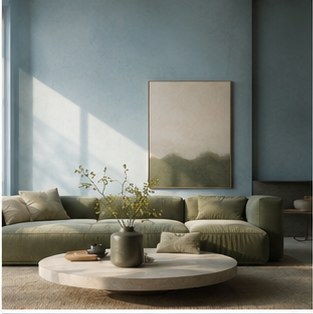
The Energizing Influence of Warm Tones
If your living room feels sluggish or uninspiring, the culprit might be an absence of warmth. Yellows,terracotta, and soft terracottas act as stimulants. Much like the morning sun, yellow increases dopamine production—the brain’s 'feel-good' neurotransmitter. This creates an environment that fosters conversation, social connection,and creative spark. Balance is critical; too much vibrant yellow can lead to irritation, as the brain perceives this intensity as an alert signal.
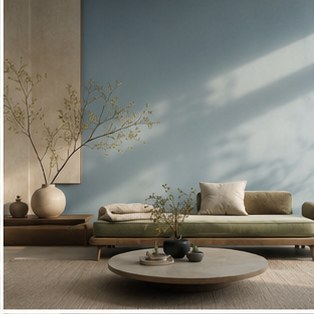
Using warm, sunset-inspired hues creates a 'cuddle effect.' Unlike the expansive feeling of cool colors, these tones pull the walls inward, creating a sense of intimacy. This makes large, cavernous rooms feel cozy and safe. When you want to encourage a lively game night or a spirited wine-fueled evening with friends, these are the hues you should reach for.
Neutrality as a Canvas for Mindfulness
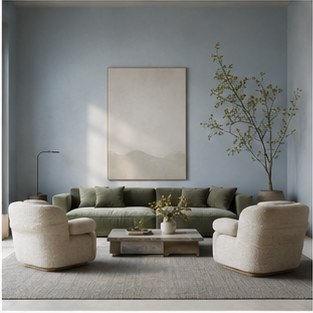
The rise of the 'greige' and 'minimalist' aesthetic is no coincidence in our hyper-connected, tech-heavy society. Neutral tones—off-white,champagne, stone, and taupe—provide a visual reset for the nervous system. By removing high-contrast color input,you allow your brain to settle into a state of 'low-arousal.' This is the ideal environment for meditation, reading or simply disconnecting from screens.
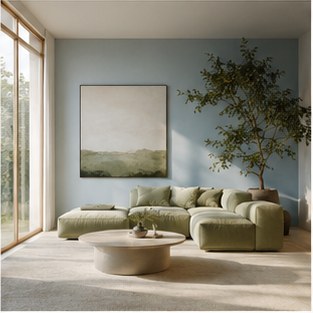
The secret to neutrals lies in texture. Because these rooms lack high-saturation color, they rely on tactile satisfaction. Reckon chunky wool rugs, rough clay vases,and linen drapery. When the color palette disappears,the physical quality of the room’s elements becomes front and center,inviting you to stay present and grounded.
The Unexpected Impact of High-Contrast Dark Shades
Society long told us to 'paint small rooms white to make them bigger,' though modern interior design psychology suggests the opposite. Dark,moody paint choices—like charcoal,forest green, or deep navy—can create a sense of 'enclosure' that feels incredibly protective and womb-like. This is particularly effective for living rooms used primarily in the evening hours when you need to signal to your body that it is time to dim the lights and prepare for rest.
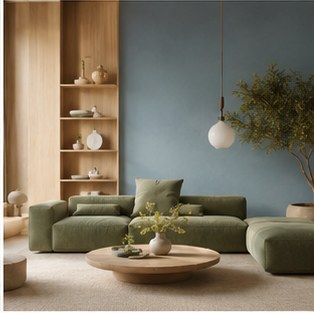
There is a sophistication to darker walls that promotes a slower, more deliberate pace of life. It makes your living room feel less like a temporary transit area and more like a permanent haven. When you lean into the shadows, you create an atmosphere where conversation becomes softer and more intimate,effectively shifting the mood of your home from chaotic to curated.
Applying Color Psychology to Your Space
So, where should you start? Begin by identifying how you currently feel in your living room versus how you *need* to feel. If you come home looking for a quiet space to recharge, gravitate toward cool, muted tones. If you need a space that feels like a hub of productivity and joy, look toward warmer, vibrant undertones.
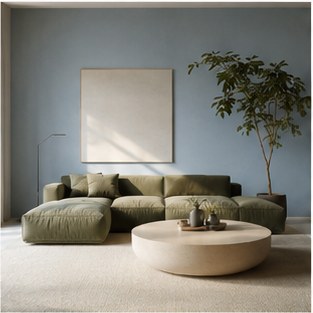
Remember that the way color interacts with the light in your own home is singular. A grey wall in a North-facing room will look vastly different than the same color in a South-facing room bathed in golden hour light. Usually buy samples, paint swatches on two different walls, and monitor them throughout the 24-hour cycle before committing to a full transformation.
The Role of Color Saturation and Tints
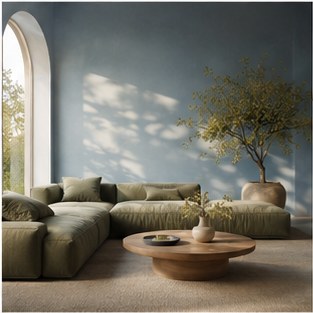
It isn't just about the specific color; it's about the intensity of that color. A vibrant,high-saturation red might be too aggressive for a shared living space. A muted, terracotta-tinted clay can provide the same emotional warmth without the fight-or-flight trigger. Tints (colors mixed with white) tend to be airy and expansion-oriented, while shades (colors mixed with black) are grounding and contemplative.
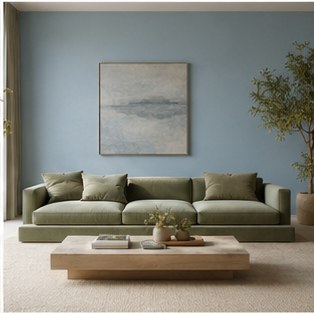
Consider the '60-30-10' design rule. 60 percent of your room is your dominant color, 30 percent is a secondary color. The remaining 10 percent is an accent. This formula helps prevent color fatigue, ensuring that the room feels balanced rather than overwhelming. By controlling the saturation levels, you can curate a room that fits your biological rhythm perfectly.
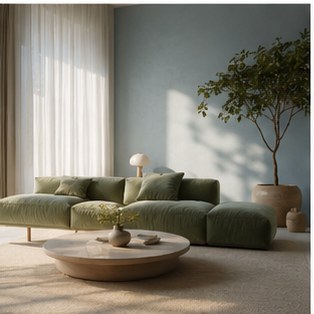
Your home should be a reflection of your evolving emotional needs. There is nothing wrong with repainting or switching textiles as your life shifts. The color on your walls is not a life sentence; it’s a living tool for self-care.
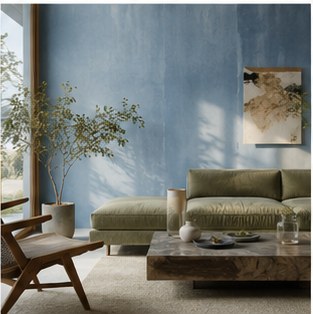
Whether you choose to embrace the serenity of sage green or the sophisticated intimacy of charcoal, remember that you're building a sanctuary. Science provides the roadmap, but your own emotional response is the true compass. Listen to how you feel, adjust accordingly, and watch as your physical space begins to positively impact your daily state of mind.
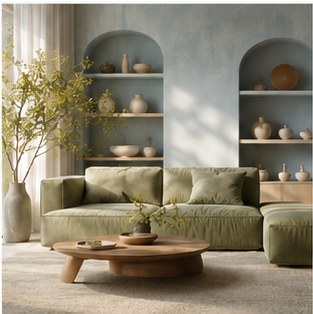
Note: Some images in this content were generated by AI.
Comments 0