
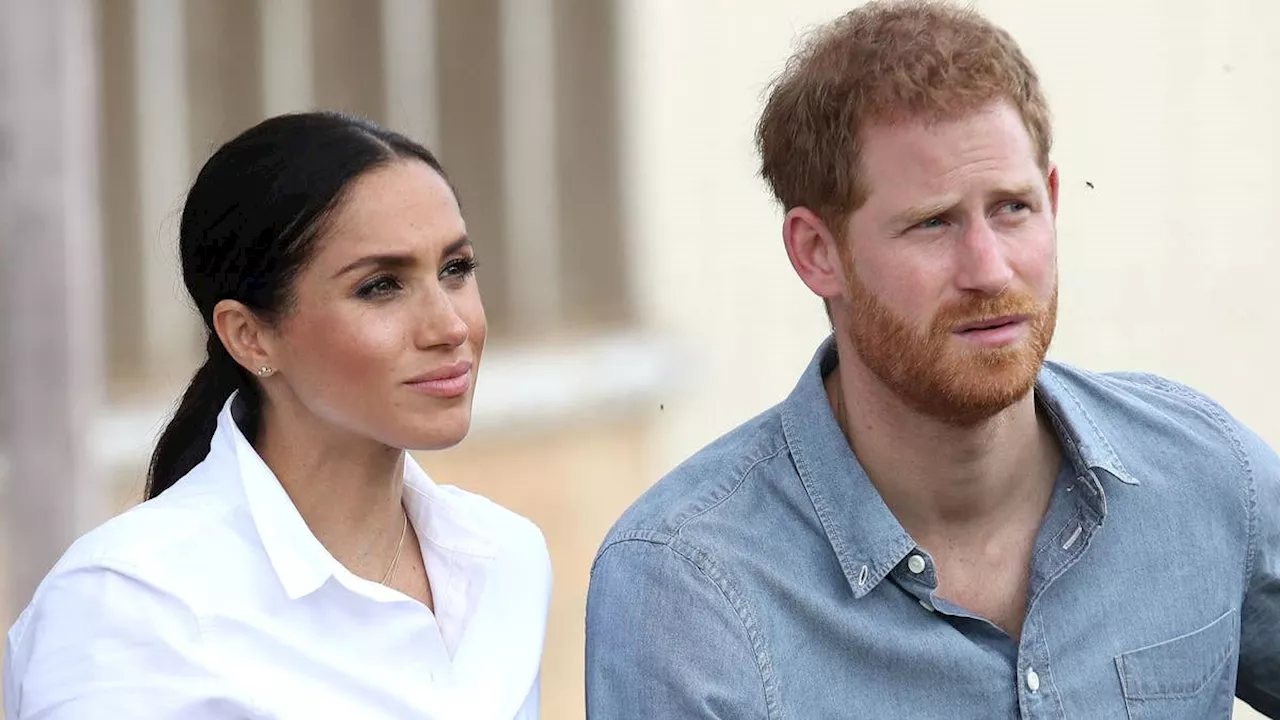
Earl Spencer, the brother of Princess Diana, has told the BBC that the media's treatment of Prince Harry and Meghan Markle mirrors the harassment his sister faced. In a new memoir and interview, he also alleges that King Charles expressed a callous lack of concern following Diana's 1997 passing.
A "cancerous influence": Why Earl Spencer sees Diana's ghost in the Sussexes' media war
Speaking to Laura Kuenssberg at his Althorp estate, Earl Spencer described the tabloid coverage surrounding Prince Harry and Meghan Markle as a "cancerous influence in their life." He argued that the unpleasant nature of modern tabloid articles ecoes the "tears of despair" he witnessed in his sister,who was famously sensitive to criticism during her marriage to the then-Prince Charles.
This comparison suggests a recurring cycle of royal trauma where the press is not just a reporter of news, but an active participant in the psychological distress of the family. As the report says, Spencer believes it is "beholden on people to learn from Diana's example" to prevent history from repeating itself with the Duke and Duchess of Sussex.
The "giddily elated" phone call and the claim that King Charles said "we'll forget her soon enough"
In his upcoming memoir,Earl Spencer makes a stunning allegation regarding King Charles's immediate reaction to the death of Princess Diana.. He claims that during a phone call, the then-Prince of Wales sounded "giddily elated" and hissed, "Rest assured, we'll forget her soon enough!" Spencer further alleges that the King "went ballistic" over a disagreement regarding whether Prince William and Prince Harry should walk behind their mother's coffin.
The Royal Palace has issued a strong rebuttal to these claims.. According to the source, the Palace stated that "the pain of fraternal grief can cloud reason, affect judgment and colour memory," effectively suggesting that Earl Spencer's recollections may be distorted by time and emotion. Spencer has dismissed this response, claiming he has been "gaslit by the King."
The September 6, 1997 funeral and the "lack of obvious care" for a 12-year-old Harry
Reflecting on the day of the funeral on September 6, 1997, Earl Spencer describes a heartbreaking image of a 12-year-old Prince Harry, whom he remembers as "tiny, and slight, and bereft." In his writing, Spencer expresses deep concern over the "lack of obvious care" provided to Harry as he processed the trauma of the morning, claiming the young prince was "allowed to spin out of control" rather than receiving nurture.
This specific memory highlights the long-standing tension regarding how the royal institution handles the emotional needs of its children. By framing Harry's childhood as one of neglect during his most vulnerable moment, Spencer adds a layer of historical justification to Harry's current estrangement from the monarchy.
Whether Harry will support Earl Spencer while trying to reconcile with King Charles
The tmiing of these revelations places Prince Harry in a precarious position.. While Harry is known to be close to his maternal uncle—having stayed with him in July prior to a UK visit—he is also reportedly attempting to reconcile with his father. As noted by Royal Editor Emily Nash on the Right Royal Podcast, Harry cannot easily support Spencer's claims without "lobbing a grenade" at the very institution he may wish to rejoin.
There are also significant questions regarding Prince William's reaction.. The report suggests that Prince William is "sick of people capitalising on his mother's memory to make money," which could further widen the rift between the brothers if Harry is seen as benefiting from Spencer's explosive claims.
A pattern of "explosive" royal memoirs ahead of the 2027 anniversary of Diana's death
The release of this memoir is strategically timed ahead of the 30th anniversary of Princess Diana's death in 2027. this follows a broader trend of "tell-all" royal narratives, from Prince Harry's own Spare to various unauthorized biographies, where the legacy of Diana is used as a lens to critique the current monarchy.
For the modern reader, this is more than just royal gossip; it is a study in how public image and private grief are managed by the world's most famous family. The ongoing battle over Diana's memory shows that she remains the most powerful cultural touchstone in the royal orbit, capable of destabilizing the monarchy decades after her death.
Comments 0