
Max Wolf Friedlich’s new play Job is moving to the Wild Project after a successful run in New York.. The one-act piece explores themes of masculinity and loneliness through the lens of a struggling upstate New York dive bar .
From a SoHo Playhouse reading competition to the Wild Project
The production of Job began its journey through a 15-minute reading competition at the SoHo Playhouse. According to the report, playwright Max Wolf Friedlich initially wrote many plays for just two people in chairs due to limited resources, but a "tough-love" email from his mother encouraged him to enter the competition. After winning the audience vote, the production grew from a small-scale reading into a hit that transferred to the Connelly Theatre before its current run.
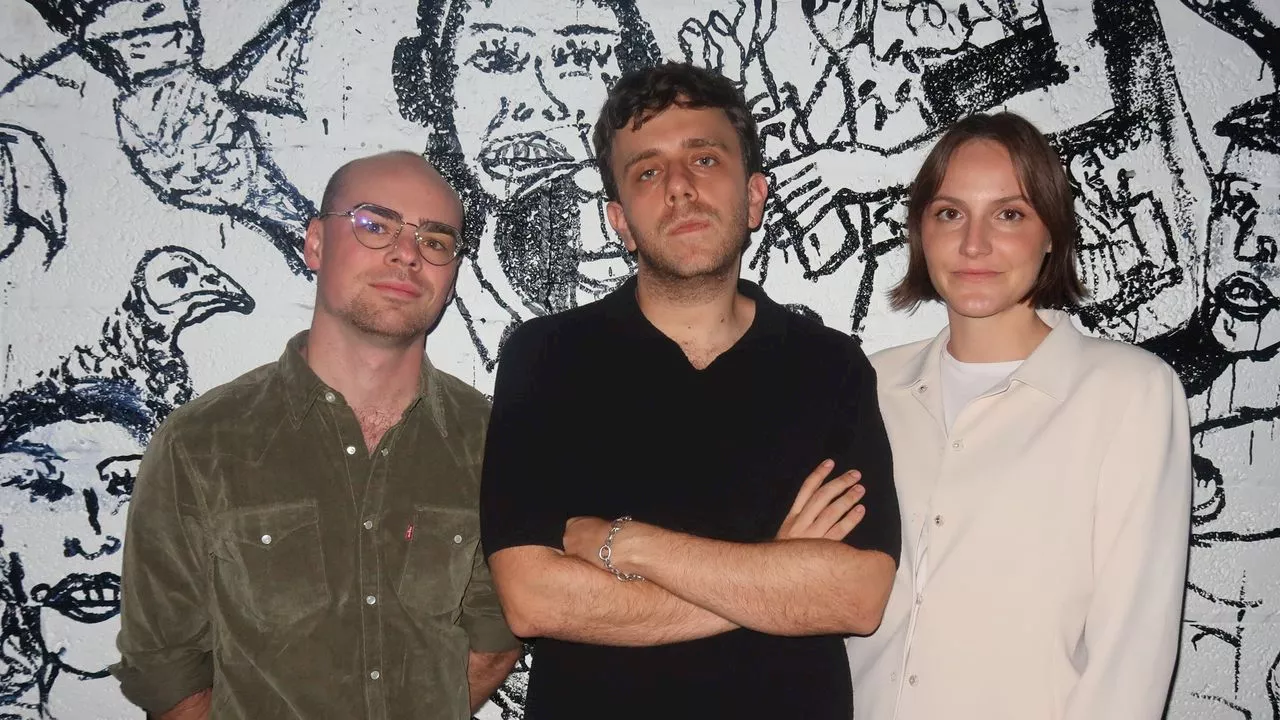
The ambitious production at the Wild Project features a cast including Bubba Weiler, Grantham Coleman, Tina Benko, and Jack Mulhern. The creative team, which includes director Michael Herwitz and producer-dramaturg Hannah Getts, is working to maintain the "transgressiveness" that has defined Friedlich's writing since his early days growing up in Chelsea. The play's visual identity was shaped by creative director Stefan Kohli, artist Melissa Stern, and graphic designer Noah Baker.
Navigating the 'manosphere' and the male loneliness epidemic
The play Job addresses the "male loneliness epidemic" without falling into the political traps of the "manosphere." Friedlich,wokring alongside Herwitz, aims to explore how loneliness affects people across the spectrum, including the potential for a "trans youth loneliness epidemic." The setting—a down-and-out dive bar in upstate New York—serves as a backdrop for these complex human interactions and the "dubiously defined masculinity" of the era.
Friedlich draws connections between different digital subcultures to highlight shared human struggles. As the piece notes, the playwright compares the traditional "manosphere" to queer digital spaces like "Bluesky gooning culture" and "Twitter Spaces." The goal is to move past the politics of the manosphere to examine the underlying "wounds" that drive people toward these different forms of roleplay and connection.
The 'sexual undertow' in a story about faith and survival
While the play explores themes of faith and purpose, a "sexual undertow" has emerged during the rehearsal process. producer Hannah Getts observed that while the script focuses on four characters seeking salvation and a sense of purpose, the physical reality of the characters' movements introduces a heavy sexual element. This tension exists between the characters' search for meaning and the raw, complicated nature of their human connections.
The characters in the play, including a woman named Martha who lives at the bar, are driven by a desire to be saved. The production aims for a "heightened naturalism" that allows for both extreme genre moments and subtle, complex human interactions.. By creating a setting where the audience can almost "smell the beer in the planks of wood," the team hopes to ground these mythological and allegorical themes in a visceral reality.
Will audiences connect 'naughtiness' to deeper human wounds?
One major question remains regarding how the play's "transgressive" and "naughty" nature will be received by different demographics. While the creators suggest the play explores "wounds" that connect disparate subcultures, it is unclear if a mainstream audience will successfully bridge the gap between the "manosphere" and queer digital cultures. Additionally, the report does not specify how the production will balance its "heightened naturalism" with the potentially polarizing subject matter of the characters' sexuality.
Comments 0