
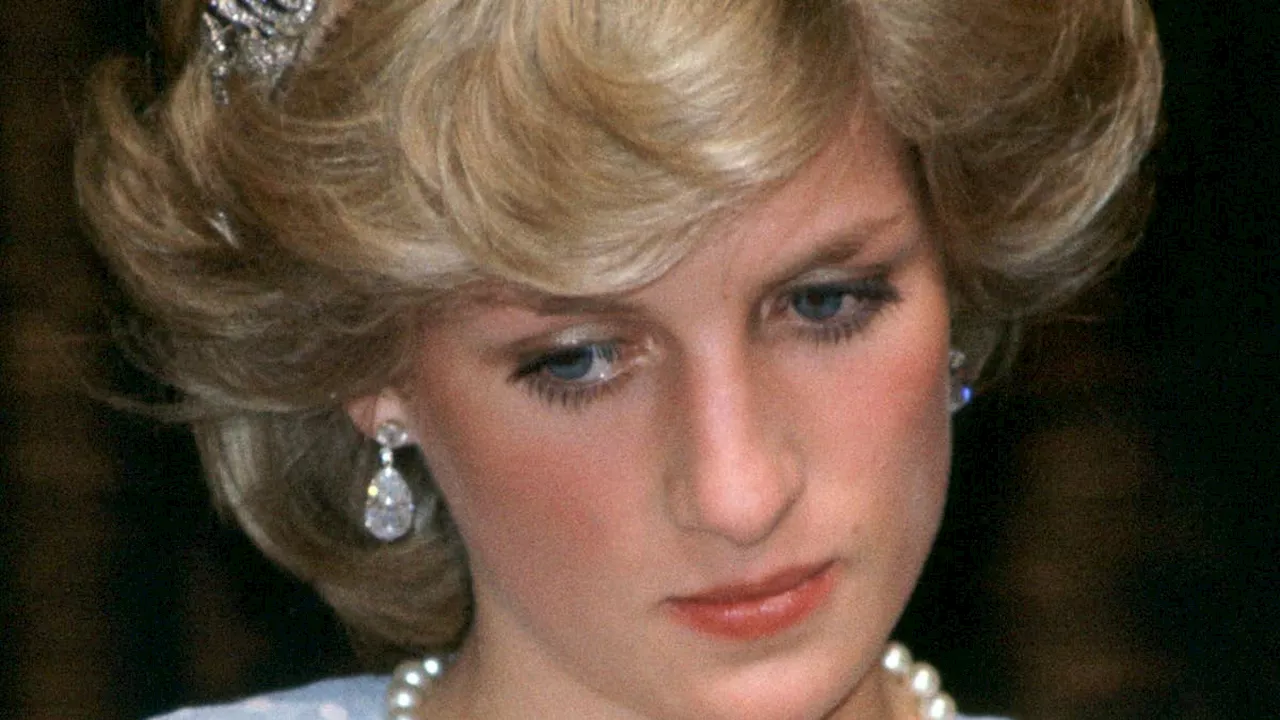
Veteran royal photographer Arthur Edwards has revealed that he intentionally avoided capturing the raw, private moments of grief experienced by Prince William and Prince Harry following the death of Princess Diana. In his new book, Cup of Tea, Arthur? My Extraordinary 50 Years Photographing the Royal Family, Edwards discusses the heavy emotional toll of documenting the monarchy during its most vulnerable moments.
The heavy silence outside Westminster Abbey
The atmosphre surrounding the funeral of Princess Diana was one of profound, collective mourning that transcended the usual media frenzy. As Edwards recalled in his memoir, the area opposite Westminster Abbey was characterized by a haunting stillness. He noted that the usual noise of the city was replaced by a heavy silence, broken only by the sound of people "sobbing, not crying."
This period of intense scrutiny was marked by high tension between the press and the monarchy. According to the report from HELLO!, the media was rife with speculation during that difficult week, including rumors about whether Prince William would walk behind the coffin and questions regarding the Queen's location at Balmoral. This backdrop of chaos made the photographer's decision to withhold certain images even more significant.
Why a 12-year-old William’s "creased" face stayed off the press
Edwards made a conscious decision to protect the privacy of the young princes during their most traumatic hours. While he noted his refusal to capture Prince Harry's grief, he also described the heartbreak of witnessing a 12-year-old Prince William reading letters about his mother. Edwards observed the boy's face "crease up" with emotion, but chose not to press the shutter.
His reasoning was rooted in a sense of professional empathy and the futility of exploiting such pain. "No one's going to publish that picture anyway, so why would you do it?" Edwards shared,adding that he viewed the boys' ability to face the public during such a time as incredibly brave. This moment highlights a rare instance where a photographer prioritized the humanity of his subjects over the potential for a career-defining, albeit intrusive, photograph.
A camera gift and a mountain in Bhutan
Beyond the somber moments of the funeral, Edwards' fifty-year career has been defined by unexpected personal connections with the Royal Family. He recounted an anecdote involving a gift for Catherine, which later came to light during a trip to Bhutan. Edwards mentioned showing a camera to a woman—implied to be Catherine—and subsequently arranging for the camera company to send her one.
The connection was so seamless that years later, while photographing in the mountains of Bhutan, Prince William reportedly remarked to Edwards, "Catherine’s got a camera just like that!" This story serves as a counterpoint to the intense media scrutiny, suggesting that behind the lens, there exists a layer of mutual respect and even friendship between long-term royal photographers and the family they document.
Did the Palace request these photographic boundaries?
While Edwards' decision to withhold images of the grieving princes was clearly a personal moral choice, several details regarding the broader media landscape remain unverified. It is unclear whether the Royal Family's press secretaries actively requested that photographers refrain from capturing specific moments of distress, or if Edwards was acting entirely on his own professional compass.
Furthermore, the source does not specify the exact identity of the woman to whom Edwards gifted the camera, though the context of William's later comment strongly suggests it was Catherine. As the relationship between the monarchy and the press continues to evolve in the digital age, the question remains: how much of the "royal image" is shaped by official PR, and how much is shaped by the quiet, ethical decisions of the people behind the cameras?
Comments 0