
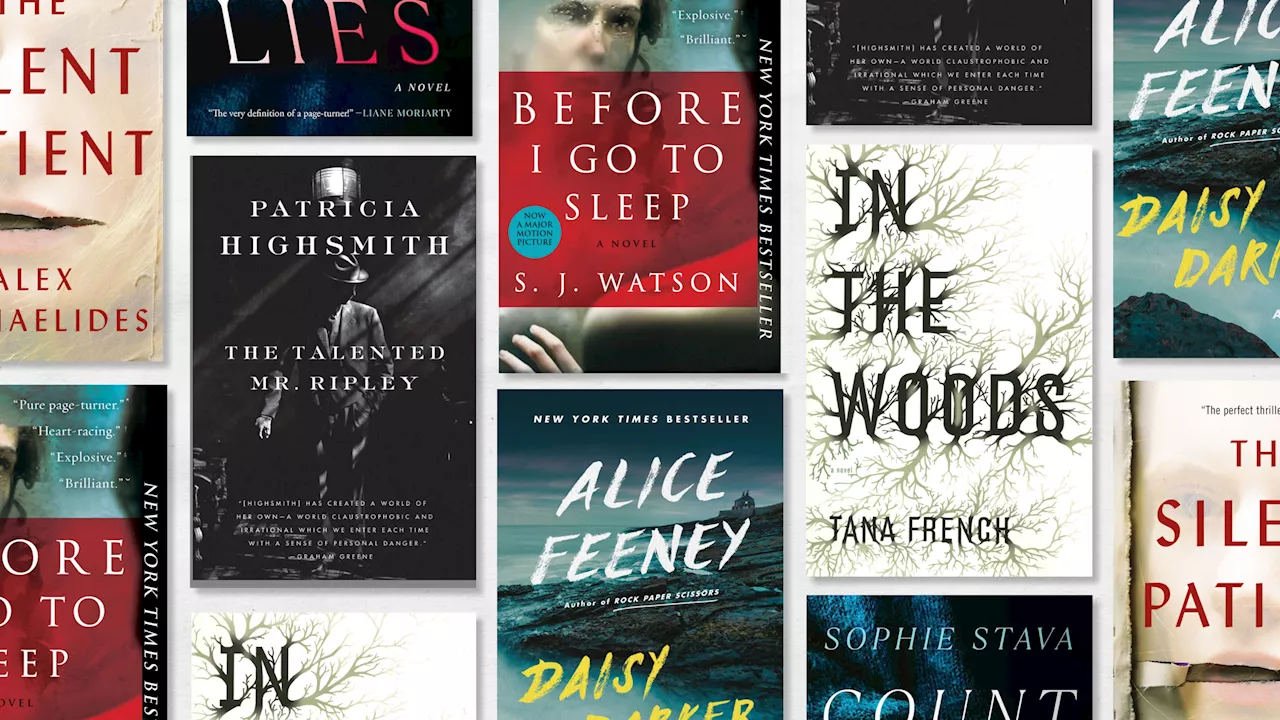
A curated selection of 13 psychological thrillers highlights the genre's enduring fascination with mental instability and deceptive storytelling. these recommendations span from mid-century classics to 2024 releases, focusing on characters whose perspectives are warped by trauma or malice.
How Gone Girl and The Silent Patient Redefined the Domestic Thriller
The psychological thriller has evolved into a study of the "domestic noir," where the most dangerous person in the room is often the one sharing your bed. As the source report notes, Gone Girl set a gold standard for this by presenting a suburban disappearance where all evidence points toward the husband, only to unravel a complex web of deceit. This trope of the hidden spouse is echoed in The Silent Patient, where criminal psychotherapist Theo Faber attempts to unlock the silence of Alicia Berenson, a woman who murdered her husband.
This trend reflects a broader cultural appetite for stories that dismantle the facade of the perfect home. For the modern reader, the horror isn't found in a haunted house, but in the realization that the person they love most is a complete stranger. This shift in the genre mirrors a wider social media obsession with "true crime" and the dissection of partner dynamics, turning the act of reading into a forensic investigation of intimacy.
From Shutter Island's 1950s Mind Control to 2024's Dissociative Identity Disorder
The genre often uses clinical settings or psychiatric diagnoses to heighten tension. According to the report, Shutter Island takes readers back to the mid-1950s, where a U.S. Marshal investigates a psychiatric hospital's disappearance, only to encounter claims of illicit drug trials and mind control. This externalized version of psychological horror—where the system is the villain—has shifted toward more internalized struggles in recent years.
A more contemporary example is a 2024 novel mentioned in the source featuring a protagonist named Kenetria, whose career is derailed by a dissociative identity disorder diagnosis . In this story, Kenetria and her "alters" must collaborate to solve a murder on an island. This progression shows a move toward exploring complex mental health conditions as central plot drivers, though it often walks the fine line between representation and using diagnosis as a convenient plot twist .
Why the Second-Person Perspective in 2014's You Creates a Creepier Experience
Storytelling techniques are just as important as the plot in creating a sense of dread. The report highlights You, a 2014 novel that employs a second-person point of view from the perspective of Joe, a murderous stalker.. By addressing the reader directly, the book forces an uncomfortable intimacy between the victim and the predator, making the reading experience exponentially more immersive and unsettling.
This technique transforms the reader from a passive observer into a participant in Joe's obession. It echoes the way modern digital stalking and social media "deep dives" operate, where a predator can curate a version of reality based on a target's public profile. The brilliance of this approach is that it makes the reader complicit in the narrator's warped logic, at least until the mask slips.
The Mystery of the '2026' Novel and Missing Titles in Andrea's List
While the list provides a strong foundation for thriller fans, there are a few gaps and anomalies in the reporting. Most notably, the source mentions a personal favorite novel from "2026" featuring a narrator named Lillian and her "ex-situationship," which is chronologically impossible. Additionally, while the report mentions a story about a family arriving at Eve's door, it fails to provide the actual title of that specific book.
These omissions leave readers wondering which specific titles are being recommended in those instances. Furthermore, the report focuses heavily on the "unreliable" nature of characters like Sloane Caraway in The Nanny, but doesn't delve into whether these tropes are becoming repetitive. As the genre grows, the challenge for authors is to move beyond the "big twist" and provide genuine character depth.
Comments 0