
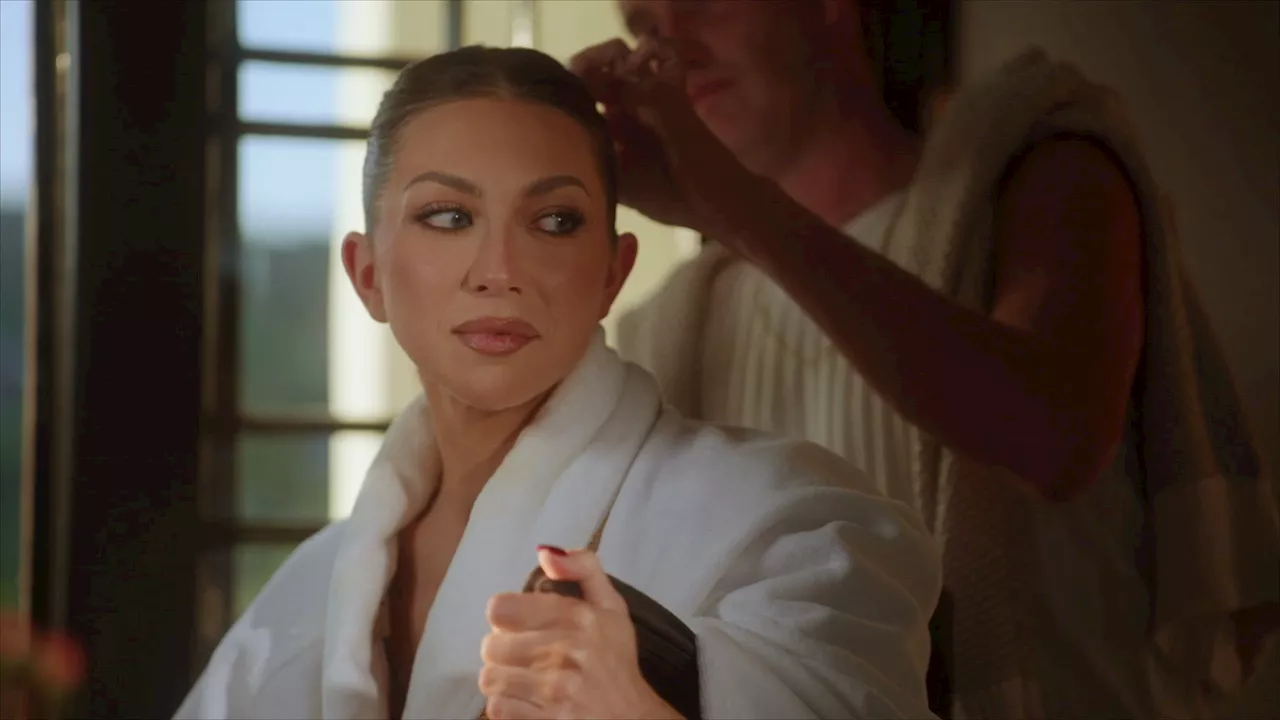
Reality television is undergoing a fundamental structural shift as stars increasingly pull back the curtain on the production process. Rather than pretending the cameras aren't there, new series are embracing a "meta" approach that highlights the business of fame.
Schroeder’s Hulu series and the "premium" green screen
In her debut seriees on Hulu, the influencer known as Schroeder is making no secret of the fact that she is performing for a paycheck. Instead of the traditional immersion into a "real" life, she openly admires the production elements, even marveling at the quality of the green screen behind her.
According to the report,Schroeder is unapologetic about the staged nature of her reality. She has been seen describing dinner parties as "team meetings" and openly discussing "Disney synergy" to explain her professional moves. She even goes as far as showing the very sizzle reel that was used to sell her show to the network,effectively turning the production itself into a character in her narrative.
Khloé Kardashian’s control over Malika and Khadijah Haqq
While some stars use meta-commentary to show their work, others use the camera to tighten their grip on the narrative. The analysis notes that Khloé Kardashian’s approach involves stripping conversations for parts and exposing private texts to maintain a specific version of "honesty."
This power dynamic is most visible in how the show treats her inner circle, specifically her long-time friends Malika and Khadijah Haqq. while these women are navigating significant personal milestones—such as divorce and life restarts—their stories are filtered entirely through Khloé’s lens. Because the show cuts out their individual confessionals, the audience never gets to hear their unmediated perspectives, leaving them as supporting characters in Khloé's curated world .
Trading "normal" people for the era of Disney synergy
This shift reflects a broader evolution in the genre's DNA. Historically, reality TV thrived on the spectacle of "normal" poeple making questionable decisions in pursuit of sudden wealth or fame. However, the landscape has changed to favor a new class of participants: professional celebrities and influencers who are essentially managing their own brands on screen.
As the report suggests, this means the audience is no longer watching a life being lived, but rather a job being performed. The distinction between a person experiencing a moment and an influencer engineering a "content moment" is becoming increasingly blurred, changing the very nature of why we tune in.
The expiration date on reality TV self-awareness
As the fourth wall continues to crumble, several questions remain about the long-term viability of this meta-style. If every lunch sit-down is clearly fueled by producers and Aperol Spritz, does the "authenticity" of the show actually vanish?
The report raises concerns about whether viewers will eventually tire of seeing the "puppeteering" behind the scenes. There is a risk that by constantly showing the setup before the scene , producers might inadvertently filter out the viewers who came for the drama, leaving behind only those interested in the mechanics of the industry.
Comments 0