
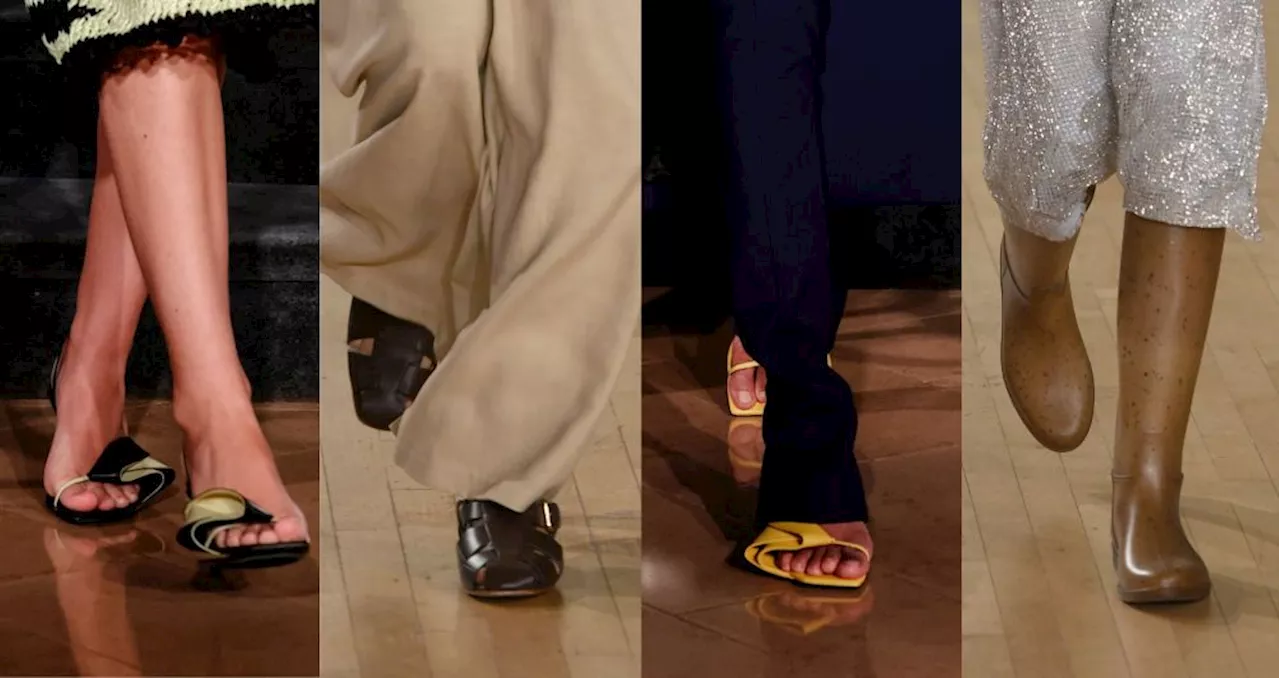
Designers are shifting away from literal floral appliqués toward more integrated, sculptural footwear for the Spring 2027 season. While previous collections focused on oversized, whimsical blooms, the upcoming trend emphasizes construction and lifestyle-driven utility.
From Proenza Schouler’s $1,290 blooms to sculptural petals
The upcoming Spring 2027 season marks a significant departure from the high-spectacle era of 2026. As reported by WWD, the garden-inspired footwear trend had already begun to take root during the previous year, characterized by more literal interpretations of nature.. A prime example was Proenza Schouler’s $1,290 Tee Thong Flower sandals, which featured massive, three-dimensional blooms placed over satin T-straps.
However,the new direction for 2027 moves toward a more subtle, architectural approach. rather than simply attaching a flower to a shoe, designers are now making the botanical elements part of the shoe's actual construction. This shift suggests that the "garden" is no longer just an accessory, but a fundamental design language that influences the very shape and silhouette of the footwear.
Chanel’s miniature garden scenes and Dior’s lily pad heels
High-fashion houses have already pushed the boundaries of this botanical theme into the realm of wearable art. Chanel’s fall 2026 haute couture collection, designed by Blazy, took the concept to its most extreme conclusion with shoes featuring heels sculpted into miniature garden scenes. These intricate designs included tiny greenery, butterflies, hummingbirds, and even small figures in boots.
Dior also leaned heavily into this fantasy, with Anderson presenting pointed satin shoes covered in oversized floral embellishments. This was furthered in the fall 2026 collection with the introduction of green Lily Pad heels, which featured pink and yellow water lilies. These collections, often presented in greenhouse-style settings like the Jardin des Tuileries, established the garden as a dominant, albeit highly theatrical, motif in luxury footwear.
TWP’s SoHo "Nancy Meyers" aesthetic and urban utility
While haute couture focuses on the spectacle, the brand TWP is approaching the garden trend through a lens of practical, everyday elegance. At their SoHo headquarters, Trish Wescoat Pound presented a collection that felt less like a fantasy and more like a curated lifestyle. The footwear—including brown low-heeled slingbacks, fisherman sandals, and speckled boots—was designed to look at home in a well-maintained backyard or an urban conservatory .
This approach aligns with creative director Rachel Scott’s interest in how New York women navigate their daily obligations. According to WWD,the goal is to create pieces that reflect the city's energy without adhering to rigid rules about when certain clothes should be worn. By marrying utility with feminine forms, TWP is positioning the garden trend for the woman who needs to move seamlessly from a professional setting to a relaxed social engagement.
Can sculptural petal designs survive the New York commute?
As the trend moves from literal flowers to complex, sculptural shapes, several questions remain about its commercial viability. It is still unverified how these highly stylized, petal-like constructions will translate from the runway to the reality of daily wear.. While the "Nancy Meyers heroine" aesthetic offers a path toward wearability, the more avant-garde designs seen at Chanel and Dior may remain strictly in the realm of collector's items.
Furthermore, the industry has yet to see how these delicate , nature-inspired shapes will hold up against the physical demands of urban life. whether the "garden" can truly thrive on city streets—or if it will remain a seasonal fantasy reserved for garden parties and special events—is a distinction that will only become clear as the Spring 2027 collections hit the market.
Comments 0