

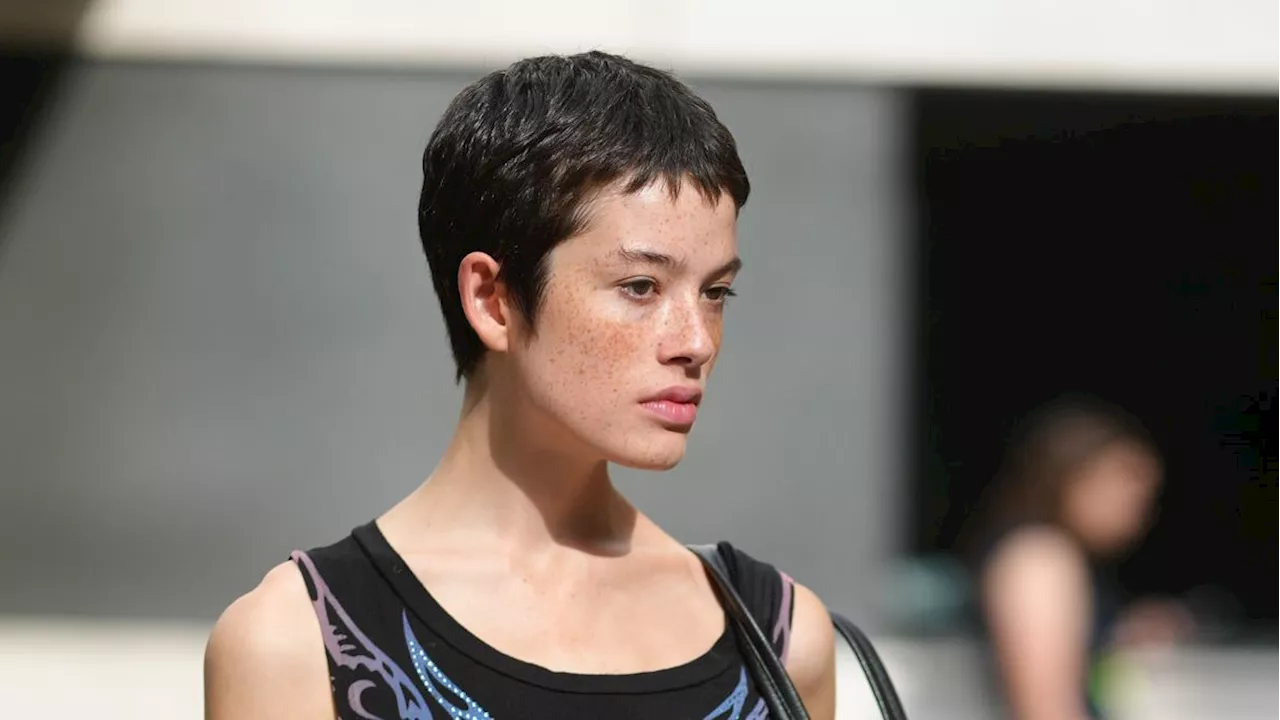
Attendees at Paris Fashion Week are increasingly embracing the pixie cut in a variety of sculpted and mussed-up styles. This trend suggests a move away from the previously dominant short bob toward more individualistic, close-cropped looks.
The Natural Progression from the Ubiquitous Short Bob
The sudden surge of short hair in Paris,France, is not an isolated event but rather a logical evolution of beauty trends. According to the report, hairstylist Rodger views the pixie as a natural next step for women who have spent the last few years gradually reducing their hair length through the short bob phase. This shift reflects a broader desire for expressive styles that move beyond traditional femininity.
By stripping away the remaining length of the bob, guests at Paris Fashion Week are experimenting with a spectrum of looks, ranging from soft and textured to sharp, graphic lines. This trend echoes a cultural move toward gender-fluid aesthetics,where the hair is used as a tool for individual expression rather than adhering to a polished, conventional standard of beauty.
Why Rodger Prioritizes Texture and Density Over Face Shape
Achieving the perfect close crop requires more than just a brave decision to cut; it demands a technical approach to the individual's anatomy. As Rodger explains, a professional consultation is critical because short hair leaves no room for error if the shape is incorrect. Rather than following a rigid formula based on face shape, Rodger focuses on the client's specific hair density, texture, and growth patterns.
The goal is to identify unique features, such as a specific curl structure or a cowlick, to ensure the cut feels personal. By working with the hair's natural behavior, stylists can create a pixie that feels like it belongs to the wearer rather than a generic template. This bespoke approach is what allows the trend to manifest in so many different versions across the streets of Paris.
The 4-to-6 Week Trim Cycle Required for Close Crops
While a pixie cut offers a bold aesthetic , it comes with a significantly higher maintenance commitment than the bob. The report notes that the shorter the hair, the more obvious the regrowth becomes, particularly around the nape and ears. To maintain the integrity of the shape, Rodger suggests that clients book professional trims every four to six weeks.
This commitment to regular salon visits is the trade-off for the ease of daily styling. With less length to manage, the daily routine becomes simpler, though it does require the right products to achieve either a sleek, sculpted finish or a mussed-up, textured vibe.. For those considering the jump, the financial and time investment of a monthly trim is a key factor to consider.
From Miu Miu Clips to Faux Pixies and the Grow-Out Struggle
The visual variety at Paris Fashion Week has been striking, featuring everything from '60s mod-inspired looks with choppy micro-fringes and Miu Miu clips to "faux pixies" that maintain length at the back. these styles demonstrate that the pixie is not a one-size-fits-all cut but a versatile base for high-fashion accessorizing and strategic parting.
However, the transition back to longer hair remains the most challenging phase. Rodger points out that the "awkward stages" of growth require a strategic plan and constant reshaping by a stylist to ensure the look remains intentional. While the report details the technical side of the grow-out, it leaves some questions unanswered: specifically, which high-profile celebrities or influencers are the primary catalysts for this shift, and whether this trend will translate to mainstream salons outside the fashion capitals?
Comments 0