
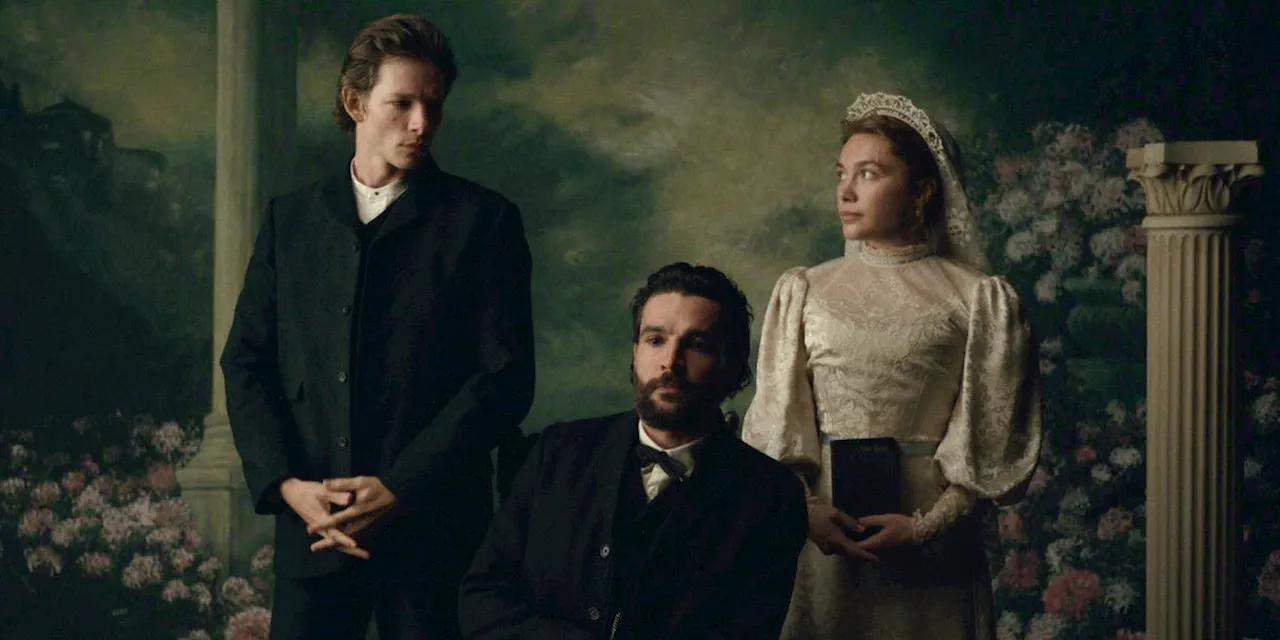
Netflix is debuting a seven-part miniseries adaptation of East of Eden on October 1. Directed by Zoe Kazan, the series explores the Trask family's struggle with inherited trauma and the possibility of redemption.
From James Dean to Florence Pugh: The Evolution of Steinbeck's Trasks
The 1955 feature film starring James Dean established a cinematic legacy for John Steinbeck's novel, but Zoe Kazan's Netflix series updates the narrative for a contemporary audience. This shift mirrors a wider cultural trend of revisiting mid-century classics to center marginalized perspectives and dismantle outdated archetypes. As the source report notes, Kazan uses lessons passed down from her grandfather to add empathic layers to the story's structure.
By framing the Trask family's conflict through a modern lens,the Netflix production transforms a story about "original sin" into a conversation about psychological cycles.. This approach resonates with current internet discourse surrounding "generational curses ," making the biblical parallels feel relevant to a generation obsessed with unpacking family trauma.
Why Florence Pugh's Cathy is more than a 'monstrous' brothel owner
Florence Pugh portrays Cathy, a character traditionally framed as an irredeemable force of evil. In this Netflix adaptation, Cathy's decision to run a BDSM sex den and blackmail city officials is presented as a quest for independence in a world that offers women few financial paths . According to the report, the series suggests that Cathy's "monstrosity" was shaped by her environment, specifically through the influence of a strict father and an abusive pimp.
This reimagining moves away from the one-dimensional villainy found in the original novel. By emphasizing the humanity beneath Cathy's violence,Zoe Kazan challenges the audience to consider how systemic oppression creates the very "monsters" society fears. The character's desire to be free from men becomes the driving force of her narrative, rather than a simple proclivity for evil.
The Hebrew word 'Timshel' and the break from generational trauma
The philosophical climax of the Netflix series centers on the word "timshel," which the character Lee (played by Hoon Lee) explains as "Thou mayest." While the American Bible presents a command to rule over sin, the original Hebrew phrasing suggests a choice. This distinction is the key to the series' resolution, as it posits that individuals are not predestined to repeat the mistakes of their parents.
This linguistic nuance allows the character Cal to find a path toward healing after the tragic deaths of his brother Aron and his mother Cathy. When his father, Adam, speaks the word "timshel" in the final moments, it serves as a permission slip for Cal to break the cycle of envy and violence that has plagued the Trask family for generations.
How the seven-part structure handles the Trask family's collapse
While the report details the narrative arc, it remains unclear how the seven-part structure of the Netflix series manages the sprawling timeline of the original novel without losing momentum.. It is also unknown if the production provides significant screen time to the patriarch Cyrus, played by Tracy Letts, to further illustrate the origins of the rift between the first generation of brothers.
Furthermore, the source report primarily presents the director's perspective on Cathy's motivations, leaving it to the viewers to decide if the character's extreme violence is truly balanced by her tragic backstory .. Whether the series successfully convinces the audience of Cathy's humanity, or if she remains an irredeemable antagonist, will be the primary point of debate among viewers.
Comments 0