
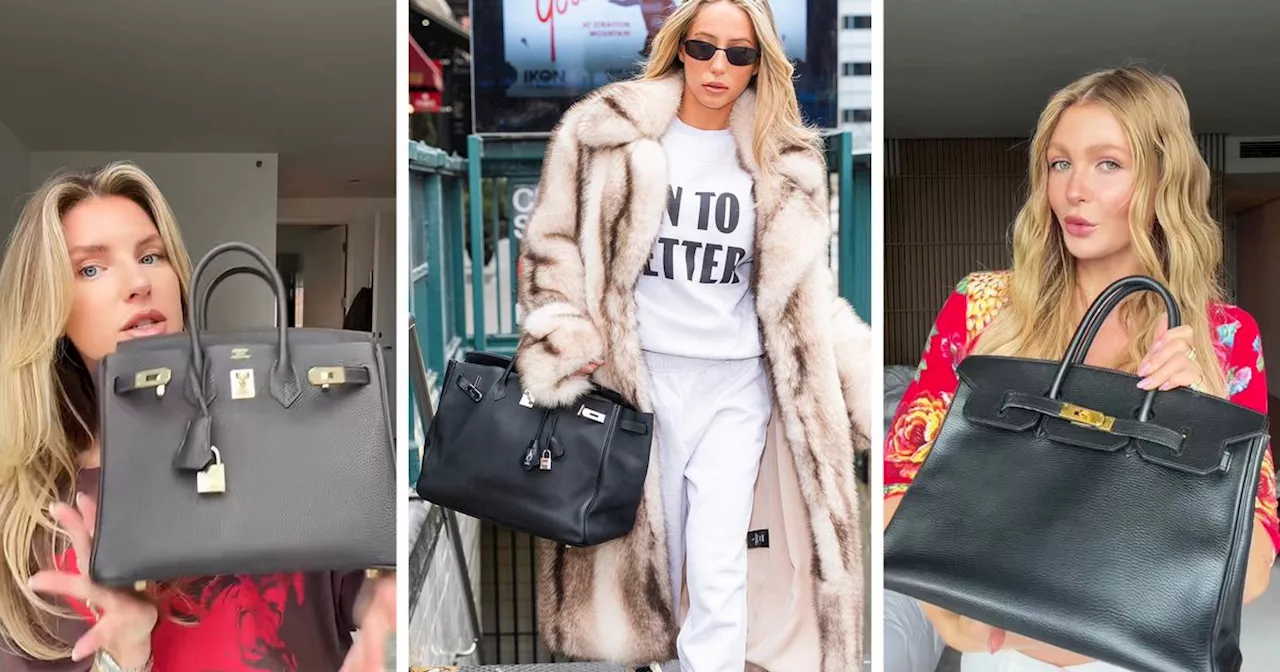
Wealthy collectors are criticizing the "TikTok-ification" of the Hermès Birkin,claiming influencers have stripped the bag of its prestige. The debate centers on the shift from the bag as a functional luxury item to a tool for digital clout. This tension has sparked a wave of resentment among traditional luxury buyers who feel the bag's exclusivity has been compromised.
The $300,000 status symbol that became a ring-light prop
The Hermès Birkin, which can cost anywhere from $10,000 to $300 ,000 depending on the model and year, is no longer seen by some as a mark of taste, but as a signal of social media obsession. According to the report, some high-net-worth inividuals believe the bag has transitioned from a mysterious carryall to a ubiquitous accessory for those with "a ring light and no original thoughts."
This shift is being tracked in digital spaces like the r/NYCInfluencerSnark subreddit, where users discuss how the bag has been overexposed.. The sentiment is that the Hermès Birkin has suffered the same fate as avocado toast—starting as a refined choice and ending as a tired, overused cliché of the chronically online.
How Vivrelle's April rental launch eroded the Birkin's scarcity
For decades, the allure of the Hermès Birkin was rooted in its extreme scarcity and the difficulty of acquisition.. However, as the report says, the rise of rental services has democratized the "flex." In April, the designer-handbag rental service Vivrelle launched a Birkin rental option, and the company followed this with a giveaway in May using a bag sourced from a secondhand marketplace.
This accessibility allows users to project a level of wealth they may not actually possess, further alienating traditional collectors. When a five-figure handbag can be rented for a weekend or won in a contest, the psychological barrier that created the Birkin's legendary status begins to crumble.
From Zzer in Shenzhen to the 'Jelly Firkin' PVC knock-off
The market for the Hermès Birkin has also been flooded with high-end counterfeits and absurd parodies. One luxury collector, Megan, describes visiting Zzer, a massive warehouse in Shenzhen, China, that stocks thousands of bags that appear genuine. These bags are often bought by resellers who then apply a 60 to 100 percent markup before selling them to unsuspecting buyers.
Beyond the "super-fakes," the internet has embraced irony with products like the "Jelly Firkin," a PVC-based knock-off. The proliferation of these items, combined with detailed online guides on how to buy counterfeits that pass as real, has turned the Hermès Birkin into a visual shorthand for "luxury" that is no longer tied to actual craftsmanship.
The contrast between Jane Birkin's baby bottles and TikTok hauls
The current conflict reflects a broader cultural divide between "old money" utility and "new money" performance.. The original ethos of the bag, exemplified by Jane Birkin stuffing hers with baby bottles or the Olsen twins using theirs as beat-up gym bags, emphasized that the owner was superior to the object. In contrast, modern "Birkin hauls" on social media often feature the bag as the centerpiece of a curated image, paired with Van Cleef bracelets and polyester workout sets.
Emily, a jewelry historian mentioned in the report, notes that the bag used to feel embedded in a woman's actual life—seen at a dry cleaner or a luncheon. Now, the Hermès Birkin is frequently associated with 23-year-olds wearing them to weddings as a costume, which critics argue is an "expensive cry for help" rather than a fashion statement.
Who is verifying the 'genuine' secondhand bags from Japan?
While the report highlights the abundance of fakes from China, it also mentions a surge of secondhand Hermès Birkins starting around $17,000, many of which originate from resellers in Japan. however, it remains unclear what specific authentication standards these Japanese resellers use to guarantee authenticity to international buyers.
Additionally, the source does not provide a response from Hermès regarding how the brand views the rise of rental services like Vivrelle or the impact of the "influencer effect" on their brand equity. It remains to be seen if the fashion house will tighten its distribution further to combat this perceived dilution of prestige.
Comments 0