

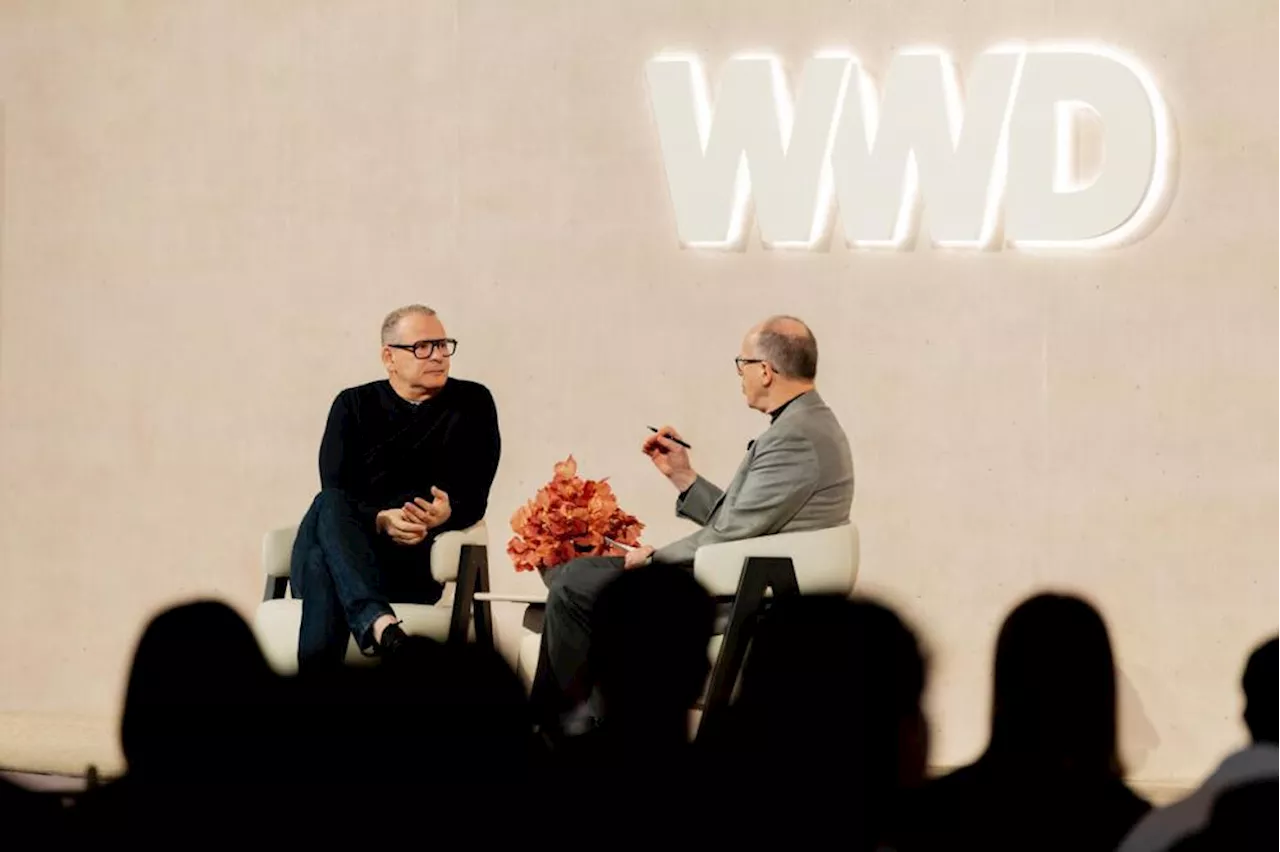
Designer Reed Krakoff is navigating a career that spans from the high-end halls of Tiffany & Co. to the mass-market aisles of Gap Inc. in a recent conversation with WWD, the designer detailed his unique approach to reinventing established brands through a mix of nostalgia and craftsmanship.
A resurgence of 1990s Coach nostalgia
The enduring relevance of Reed Krakoff’s work is perhaps most visible in the current obsession with vintage aesthetics. during his 16-year tenure at Coach, Krakoff helped shape a visual language that is finding new life among Gen Z consumers. As reported by WWD,Krakoff’s own daughter, a student at the Savannah College of Art and Design, has observed the high volume of students carrying vintage Coach bags on campus.
This trend of "newness through the old" is a recurring theme in Krakoff's career. His ability to create pieces that maintain their value over decades—much like his Lock collection for Tiffany & Co.—allows brands to benefit from a cycle of nostalgia. This phenomenon suggests that design longevity is not just about staying current, but about creating an emotional connection that survives changing market trends.
Translating Gap's denim heirtage into the Five-Pocket Tote
Currently serving as the executive director of accessories for Gap Inc., Krakoff is applying luxury design principles to a much broader consumer base. One of his standout recent successes is the Five-Pocket Tote, a product designed to reference the retailer’s deep roots in denim. According to the report, Krakoff felt an immediate connection to the design once it was finalized, noting that it reflected the brand's identity without relying solely on its price point.
Krakoff’s methodology for these mass-market products relies heavily on instinct rather than pure data. He utilizes a simple testing method where he observes the raw emotional reaction to a design placed on a table. He believes that if a product doesn't provoke a visceral response, it likely lacks the "desire" necessary to succeed in a crowded marketplace.
Why John Hardy could expand into St. Barts hospitality
Krakoff is also looking toward the future of John Hardy, where he serves as creative chairman. he sees a massive opportunity to grow the brand by filling the gap between small independent jewelers and the world's largest luxury houses. He believes there is a significant movement toward items that prioritize inherent craftsmanship and artisanship over overt branding.
His vision for the brand extends beyond wearable accessories and into the realm of lifestyle experiences. As Krakoff told James Fallon, chief content officer of WWD, there is a possibility that John Hardy could eventually move into the hospitality sector, perhaps even launching a resort or property in locations like St. barts. While this remains a suggestion rather than a confirmed business plan, it highlights his view of a brand as a holistic creative ecosystem.
The question of whether modern designers have enough time to experiment
While Krakoff’s career has been marked by successful reinventions, he expressed concern regarding the current pace of the fashion industry. He noted that many contemporary designers are under immense pressure to deliver immediate commercial results, which can come at the expense of true innovation. he argues that for a product to be truly surprising and desirable, it requires a period of thoughtful experimentation that the modern schedule often denies.
However, it remains to be seen how much influence veteran designers like Krakoff will have on the speed of the industry. While he advocates for patience, the digital-first economy often rewards the rapid-fire release cycles that he warns against. It is also unclear how his specific blend of economics and art history will continue to influence the role of the creative director as the industry moves toward even faster, algorithm-driven production.
Comments 0