
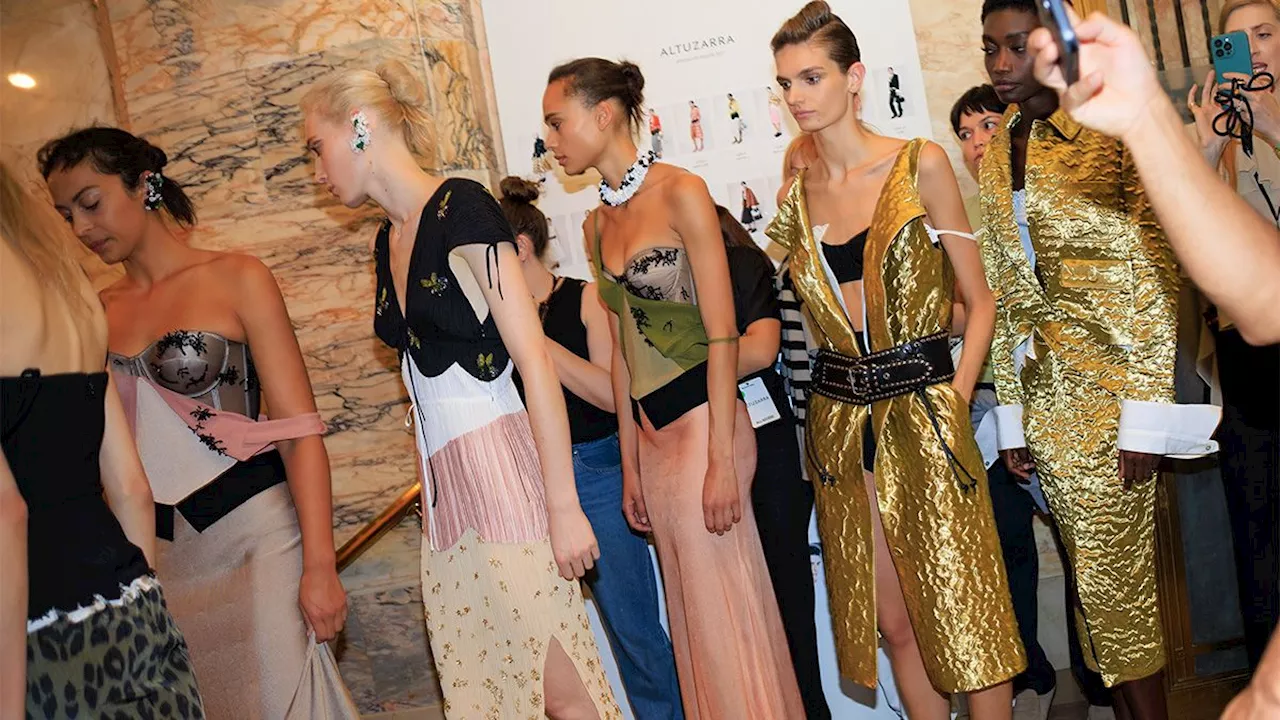
New York Fashion Week concluded with Thom Browne’s metamorphosis-themed Spring/Summer 2027 show at The Shed. the week was marked by a mix of high-concept artistry and social media controversy following an altercation with Peta protestors.
The Peta protest video and Kolb’s CFDA leave
A viral video of an altercation with Peta protestors became the defining controversy of the week. As the source reported, the footage of the incident circulated widely on social media, creating a significant "vibe shift" for the event.. In response to the backlash, Kolb posted an apology to his Instagram Stories, and the Council of Fashion Designers of America (CFDA) issued a statement placing him on leave pending a further review .
The incident has left many wondering about the long-term leadership of the CFDA. While the fashion shows continued, the uncertainty surrounding Kolb's future remains a major unanswered question for the industry's governing body. It remains unclear how the board will proceed once their review is complete or how this will impact the organization's relationship with activists.
Modular blazers and the "sensual femininity" of Khaite and Altuzarra
Designers used the SS27 season to explore a blend of practical functionality and expressive sensuality. Brands like TWP introduced modular blazers and trousers with various fastening options,while also featuring blazers with hidden elastic to keep sleeves rolled up . This move toward "functional" fashion reflects a growing demand for clothing that works as well on the subway as it does in a taxi.
A shift toward a more "sensual and expressive femininity" was also evident on the runways of Khaite and Altuzarra. According to the report, both designers leaned into undone looks that allowed undergarments to peek through, a trend that Mytheresa’s Tiffany Hsu noted captures the season's new proportions. this aesthetic balances the ease of New York style with a more provocative, modern edge.
Why Jasmin Hekmat calls the season "Designer Hunger Games"
The competition for visibility and resources in New York has become increasingly cutthroat. Cult Gaia founder Jasmin Hekmat described the environment as a "designer Hunger Games," where major brands fight for the attention of specific celebrity guests and models. This intense pressure is felt by both established names and newcomers like Magda Butrym and Aisling Camps.
The struggle to maintain a presence is not just about celebrity clout, but also about basic logistics and mainstream expansion. For example, designer Suberville faced significant hurdles when her models lost their US visas, highlighting the fragility of international fashion production. Conversely, Eckhaus Latta signaled a move toward the mainstream by turning their Friday night show into a double feature that included a new collaboration with J.Crew.
A surge of 50+ parties as a potential recession indicator
The social calendar for NYFW SS27 was unprecedented in its scale and frequency. Fashion editor Freya Drohan noted that she had roughly 50 different events on her radar, ranging from Bvlgari celebrations to Net-a-Porter parties. This explosion of nightlife and brand-hosted soirées has bceome a central part of the fashion week experience.
Some industry insiders view this frantic social schedule through a lens of economic anxiety. One PR professional suggested that the massive influx of brand spending on parties could actually be a recession indicator, signaling that companies are using their budgets now in fear they might lose them later.. Whether this is a sign of true prosperity or a defensive spending spree remains a point of debate among industry observers.
Comments 0