

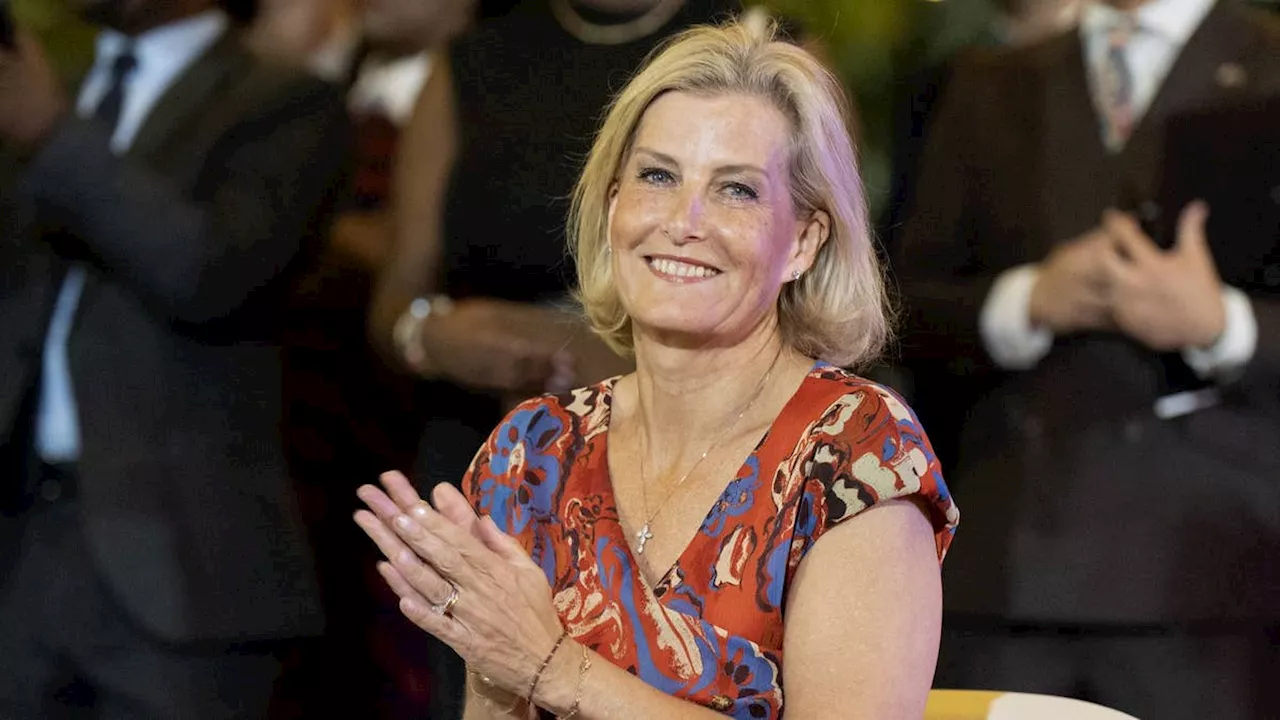
The Duchess of Edinburgh recently completed a five-day diplomatic mission to Zambia. Her itinerary focused on strengthening Commonwealth ties, supporting female entrepreneurs in the gem trade, and advocating for accessible eye care.
Honey from Buckingham Palace and zebras on the lawn in Lusaka
During her meeting with President Hakainde Hichilema in Lusaka, the Duchess of Edinburgh combined formal protocol with light-hearted observation. According to the report, the Duchess noted that the zebras grazing on the president's lawn served as effective "lawnmowers and fertilisers," a comment that broke the ice during the diplomatic encounter. The meeting also served as a cultural exchange, with the Duchess presenting the president with honey sourced from the royal beehives at Bagshot Park, Windsor Castle, and Buckingham Palace.
This exchange of gifts—including a double-sided scarf made from traditional chitenge fabric—highlights the ongoing effort to maintain the bond between the British monarchy and Commonwealth partners. The converrsation between the Duchess of Edinburgh and President Hakainde Hichilema extended beyond pleasantries to include discussions on Zambia's mining sector and the president's own educational history in Birmingham.
Polishing quartz crystals with female entrepreneurs at the Jewel of Africa workshop
At the Jewel of Africa workshop, the Duchess of Edinburgh shifted her focus toward women's economic empowerment within the diamond and emerald trades. As the report notes, the Duchess met with female entrepreneurs who had received British investment to master the art of transforming raw mined emeralds into finished gemstones. In a move that signaled a more hands-on approach to royal duty, the Duchess donned overalls to polish a quartz crystal under professional guidance.
This specific interaction reflects a broader trend in modern royal tours, where the "working" aspect of the visit is prioritized over purely ceremonial appearances. By engaging directly with the labor of gem-cutting, the Duchess of Edinburgh emphasized the tangible impact of British investment in Zambian female-led businesses, moving the narrative from passive patronage to active participation in the local economy.
Art as a healing tool for gender-based violence survivors at Imvelo Gallery
The visit to the Imvelo Gallery provided a more somber reflection on social issues, as the Duchess of Edinburgh listened to survivors of gender-based violence.. These women used art to express their trauma, creating a space for emotional processing and public acknowledgment of their experiences. During this visit, the Duchess of Edinburgh also spoke about the educational collaborations currently existing between Britain and Zambia.
However , several details regarding these partnerships remain unclear. While the report mentions the "long-term benefits of a skilled workforce," it does not specify which British institutions are leading these collaborations or what the specific metrics for success are. It remains unknown whether these educational initiatives are funded by the UK government or private philanthropic entities, leaving a gap in the understanding of how these collaborations actually function on the ground.
The IAPB and Orbis plea to stop children from dropping out of school
The final stage of the tour centered on health advocacy, specifically regarding visual impairment. Speaking at an event hosted by the International Agency for the Prevention of Blindness (IAPB) and the charity Orbis, the Duchess of Edinburgh warned that children who cannot see often "drop out of school," while adults who lose their sight face drastically reduced life chances. Her address aimed to amplify the urgent need for affordable and accessible eye care across the region.
The Duchess of Edinburgh concluded her visit by opening a recception for pupils at PEAS George Secondary School. This final gesture linked her advocacy for eye health directly to the youth, emphasizing that the ability to see is fundamentally tied to the ability to learn and succeed in a modern economy. By partnering with the IAPB and Orbis, the Duchess used her platform to turn a diplomatic tour into a targeted campaign for public health.
Comments 0