

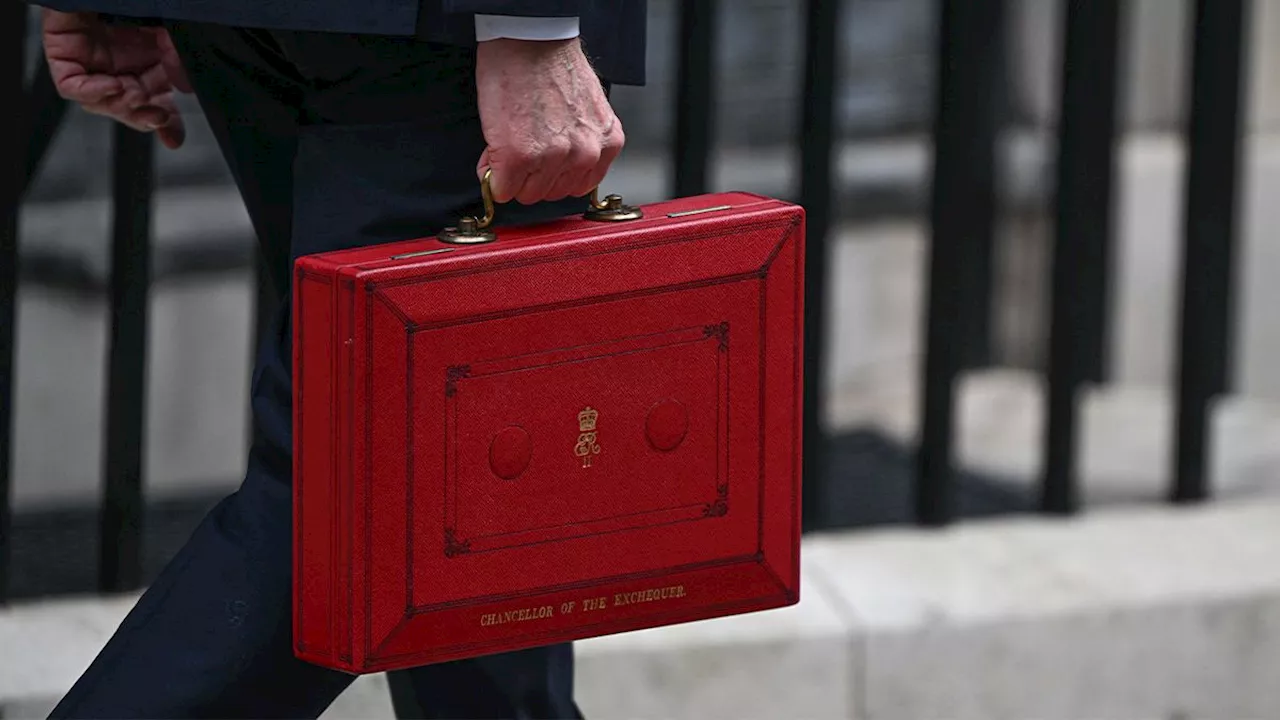
Chancellor John Healey recently unveiled the UK's 2024 Budget, known as the "Red Book," which offers targeted financial relief to small-scale retailers. While the plan aims to revitalize provincial high streets, it stops short of implementing broader reforms requested by the fashoin industry.
How the £18,000 business rates threshold saves 70,000 shops
The 2024 Budget directly targets the crisis of boarded-up storefronts by raising the small business rates relief threshold from £12,000 to £18,000. According to the report, this specific adjustment means that approximately 70,000 businesses across the retail, leisure, and hospitality sectors will no longer be required to pay business rates.
Andrew Goodacre, the CEO of the British Independent Retailers Association (Bira), notes that while this is less damaging than the cost spikes of previous years, the relief is primarily limited to small boutiques and newsagents. For the broader fashion ecosystem, this move provides a necessary safety net for the smallest players who give local high streets their character.
A 10% capital gains rate for the next generation of women founders
To encourage high-growth ventures, the UK government introduced a dedicated entrepreneurs’ capital gains tax relief scheme, which offers a reduced 10% rate on lifetime gains up to £10 million. this is a strategic win for the micro-brands that have surged in popularity over the last decade, allowing founders to reinvest more of their success back into their labels.
BFC CEO Laura Weir has highlighted the importance of these measures , particularly the pilot scheme providing living costs for successful young entrepreneurs in their first year. this support is critical given that six in 10 shows during London Fashion Week are currently led by women, making the government's teased commitment to supporting women founders a vital point of interest for the industry.
The 3.9% wage increase and the squeeze on luxury giants like Harrods
While small shops find relief, larger retailers face a tighter margin as the national living wage and national minimum both rise by 3.9%, a figure that exceeds the 3.5% inflation rate. As reported, this increase in labor costs creates a challenging environment for the majority of retailers who are already battling global supply chain disruptions caused by conflicts in Europe and the Middle East.
The Budget is particularly lean for luxury powerhouses such as Harrods, Selfridges, and Harvey Nichols. Jacqueline Windsor, PWC UK’s head of retail, suggests that while some consumers may have more discretionary income, the high-net-worth individuals these luxury stores court may face higher taxes on property and savings, potentially dampening spending at the top end of the market.
The £11.5 billion void left by the 2021 tax-free shopping ban
One of the most contentious omissions in the Red Book is the failure to reinstate tax-free shopping for overseas visitors, a policy that was abolished in 2021. The British Fashion Council and Mayor of London Sadiq Khan have both advocated for its return to entice wealthy international tourists back to British boutiques.
The stakes are high: a report from the Center for Economics and Business Research (CEBR) estimated that bringing back tax-free shopping in 2025 could have strengthened GVA by £11.5 billion and supported 150,000 jobs. Currently, the UK remains the only major European market without such a policy, leaving a siignificant gap in the nation's fashion economy that the 2024 Budget simply ignores.
Will 'Number 10 North' actually move fashion power beyond London?
In an effort to decentralize power, the government established "Number 10 North," a Manchester-based office for the Cabinet and the Prime Minister. Rosie Wrighting, a Labour MP and former Asos buyer,believes this shift is crucial for ensuring that the next generation of talent—the next Lee McQueen or Paul Smith—can emerge from any part of the four nations, not just the capital.
However, it remains unclear exactly how this administrative shift will translate into direct funding for designers and makers outside of London. while BFC CEO Laura Weir expressed optimism about working with local mayors, the specific mechanisms for how local growth funding will reach regional fashion hubs remain an open question.
Comments 0