

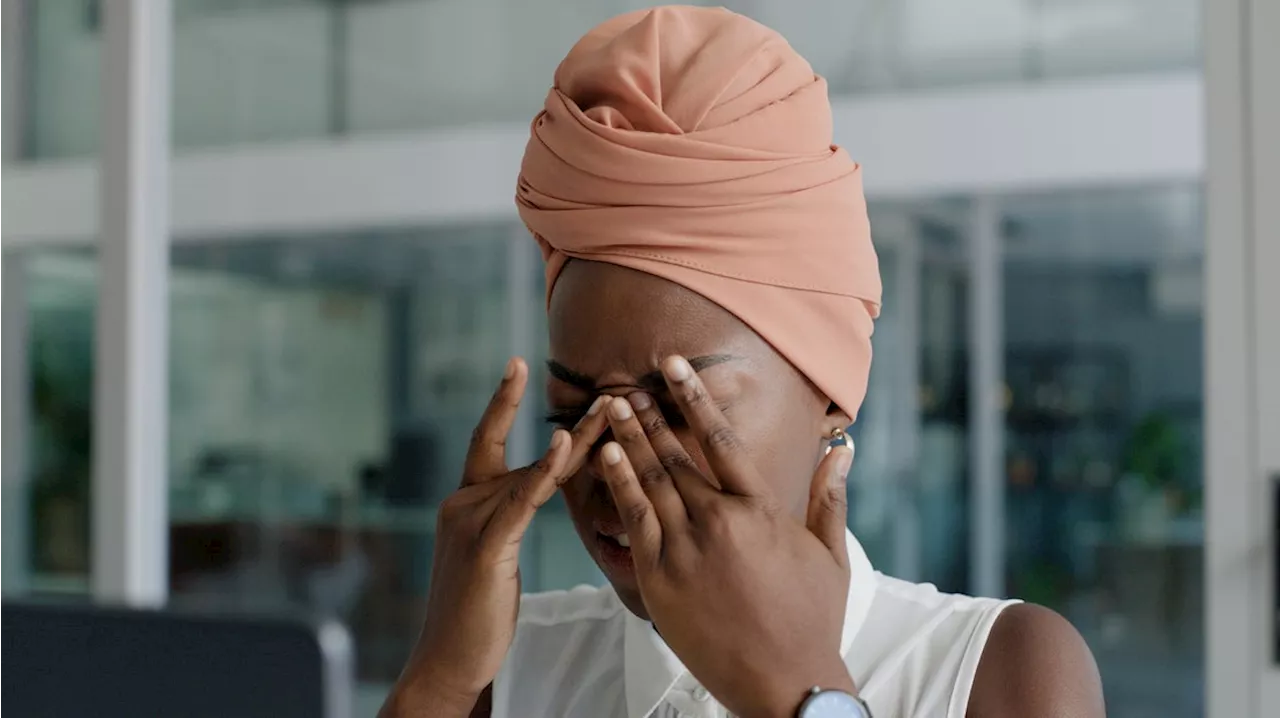
Roughly 30 million women in the United States struggle with iron deficiency, a condition that often goes undetected due to a lack of routine screening. This health crisis manifests as severe fatigue and cognitive fog, significantly impacting both professional performance and maternal health.
The 30 million US women facing a hidden energy crisis
Iron deficiency is not a niche medical concern but a widespread epidemic affecting approximately one-third of the female population in the United States. As the report notes, this condition exists on a spectrum: about 15 percent of American women suffer from full-blown iron deficiency anemia, while another 15 to 20 percent experience iron deficiency without anemia. This means a vast number of women are operating with depleted iron stores that prevent their bone marrow from producing enough red blood cells to sustain normal bodily functions.
Because iron is essential for every cell in the human body to utilize energy, these deficits create a physiological cascade of failure. When iron levels drop, muscles cannot contract effectively and the brain struggles to maintain clarity. For many women, this creates a baseline of exhaustion that is often misattributed to the stresses of modern life or the demands of a career,rather than a treatable mineral deficiency.
From hair thinning to ice cravings: The red flags of low iron
The symptoms of iron deficiency often mirror the "burnout" narratives prevalent in current internet culture, making the condition easy to overlook. Beyond persistent fatigue, patients frequently report mental fog, increased anxiety, and shortness of breath following mild exercise. More distinct indicators include restless leg syndrome, noticeable hair thinning, and pica—specifically unusual cravings for non-nutritive substances like chewing ice.
These symptoms often intersect with the lifestyle pressures women face, where "brain fog" is dismissed as a byproduct of multitasking or stress. However, the report emphasizes that these are medical markers of a body struggling to function. By framing these issues as lifestyle failures rather than biological deficiencies, the medical system often misses the opportunity to restore a patient's quality of life through simple oral iron pills or IV therapy.
Why 50% of Black Americans are disproportionately affected
The burden of iron deficiency is not shared equally across racial lines in the United States. According to the source, half of Black people in the US suffer from iron deficiency, a stark contrast to the one-third prevalence seen among non-Black people. Dr. Shatzel describes this disparity as a critical public health problem that requires targeted screening to address the systemic inequalities in healthcare access and outcomes.
These disparities are particularly acute in pregnant populations, where the lack of targeted intervention can lead to lifelong consequences. When the medical community fails to prioritize screening for disproportionately affected groups, the resulting health gaps widen, leaving Black women more vulnerable to the complications of untreated mineral deficiencies.
How iron deficiency increases C-section rates and preterm births
The risks of low iron extend deeply into maternal and neonatal health. Untreated deficiency during pregnancy is linked to higher rates of preterm birth and low birth weight, which can lead to developmental delays in children. The physiological toll on the mother is equally severe; Dr. Fein notes that fatigued mothers often lack the physical strength to push effectively during labor.
This specific physical limitation contributes to a higher rate of C-sections among women with iron deficiency. This highlights a critical intersection where a treatable nutritional deficiency directly influences the type of medical intervention a woman requires during childbirth, potentially increasing the risks and recovery time associated with surgical births.
The productivity gap: How heavy periods hinder professional promotions
Iron deficiency functions as a hidden driver of gender inequality in the American workplace. Because premenopausal women lose iron through menstrual cycles—and many suffer from heavy periods they don't realize are clinically significant—they face a biological barrier to productivity that men do not experience. This manifests as missed work days and a diminished ability to concentrate on complex tasks, which the report suggests can prevent women from securing the promotions they deserve.
Compounding this issue is the fact that there is no routine recommendation in the US to screen for iron deficiency. This leaves a glaring gap in primary care:paients must self-advocate and push for specific blood tests to receive a diagnosis. It remains unclear why the US medical community has not established a standard screening protocol for a condition that affects a third of the female population, leaving millions of women to navigate their exhaustion without professional guidance.
Comments 0