
A recent update from the labor rights group Fashion Checker reveals a stark divide between the public promises of global fashion brands and the actual pay received by garment workers. The report highlights that while many companies commit to living wages, very few provide evidence of progress.
The 4% of brands actually making progress on living wages
The latest data from Fashion Checker exposes a massive gap between corporate rhetoric and reality. According to the labor rights group, while 32 percent of the assessed brands have made a formal commitment to a living wage, only 4 percent have reported any tangible progress toward achieving that goal. This suggests that for the vast majority of the industry, "living wage" is a marketing term rather than a payroll reality.
Transparency remains the biggest hurdle in the garment industry. As the Fashion Checker update disclosed, just 3 percent of supply chain facilities actually disclosed their wage levels. Without this basic data, it is nearly impossible for consumers or regulators to verify if workers are earning enough to survive, leaving the industry's "ethical" claims largely unsubstantiated.
Why Adidas, Uniqlo, and H&M received the lowest possible scores
Among the global giants, Adidas, Uniqlo, and H&M were singled out for receiving the lowest possible living wage scores. These scores are based on the campaign's assessment of publicly available evidence, meaning these brands failed to provide the necessary proof that their workers are paid a fair wage. this lack of evidence persists despite these companies' massive global footprints and public-facing sustainability goals.
The failure of these brands to provide evidence reflects a broader trend where corporate social responsibility (CSR) reports prioritize vague promises over hard data. When the world's largest retailers cannot prove their workers are paid a living wage, it calls into question the validity of the entire "conscious fashion" movement that many consumers rely on when shopping.
From Cambodia's $177 demand to harassment in Turkey and Serbia
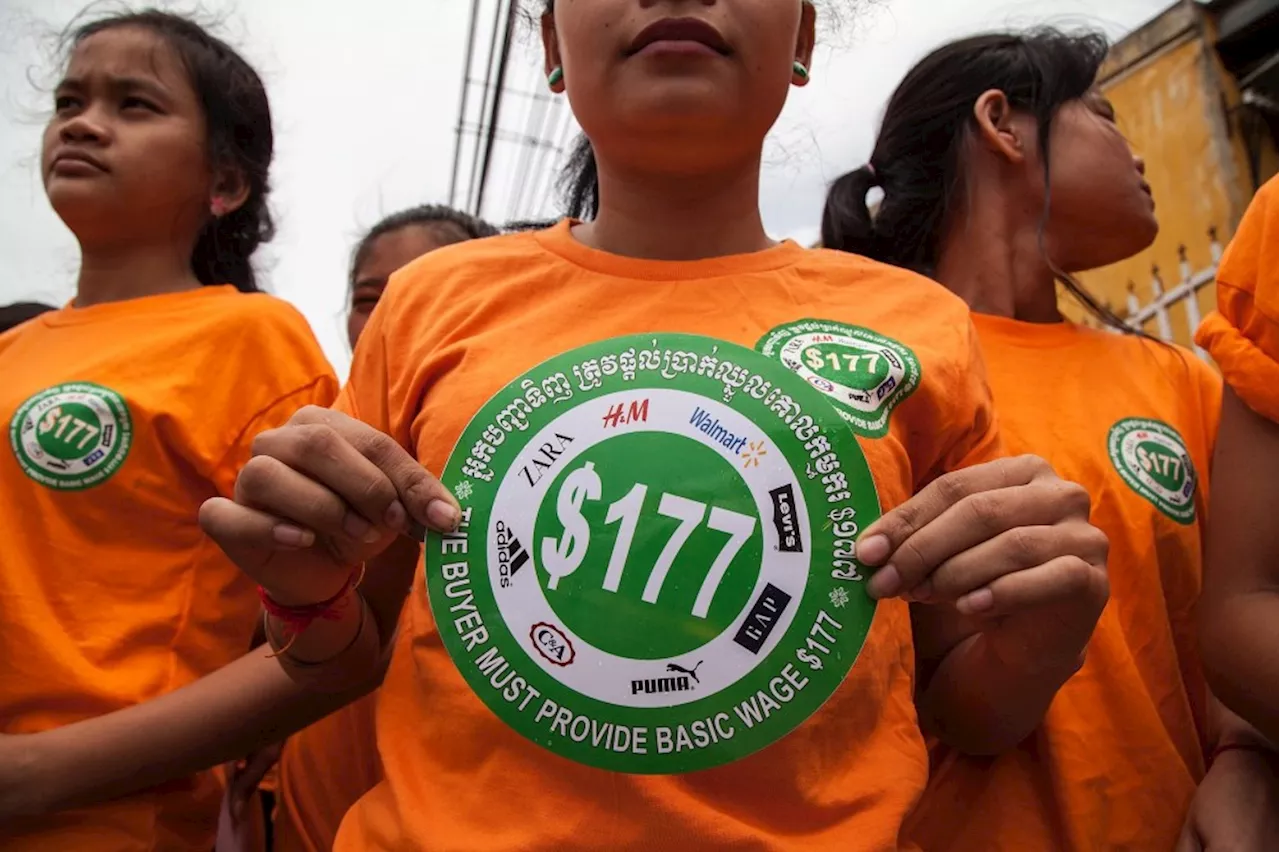
The human cost of this wage gap is most evident in production hubs like Cambodia, where workers have demonstrated to demand a minimum salary of $177 per month. These workers are calling on international brands—including Zara, Gap, H&M, and Adidas—to support this increase and commit to continuing their business in Cambodia if the wage hike is implemented.
The struggle extends beyond Southeast Asia. Surveys conducted by Fashion Checker's network organizations between 2023 and 2025 found that workers in Turkey (66 percent) and Serbia (63 percent) described enduring humiliation and harassment just to earn enough to feed their families. One worker poignantly asked, "what’s it for, if we can’t even eat three proper meals a day?" highlighting that for many, the current minimum wage is a starvation wage.
The July 26, 2029 deadline for the EU's human rights directive
Legal pressure is finally mounting through the European Union's amended directive, which is scheduled to apply starting July 26, 2029. this directive will target companies that meet specific size and turnover thresholds, requiring them to identify and address adverse human rights impacts within their operations and supply chains.
The EU directive is expected to bring approximately 30 major brands under its scope. By mandating provisions for complaints and notifications, the law aims to move the industry away from voluntary commitments and toward legally enforceable due diligence . This shift represents the first significant move toward holding brands legally accountable for the conditions in their overseas factories.
The 25% of brands lacking a public grievance mechanism
Even when abuses are reported,there is often nowhere for the worker to go. The Fashion Checker campaign found that one-quarter of the brands assessed had no publicly accessible grievance mechanism, leaving workers with no safe way to report harassment or wage theft.
This leaves several critical questions unanswered: How can brands claim to monitor their supply chains if 25 percent of them provide no way for workers to report problems? Furthermore, since the report relies heavily on brand statements and limited surveys, it remains unclear how many more facilities are hiding wage data to avoid scrutiny. The report primarily presents the perspective of labor rights groups and surveyed workers, leaving a gap in the official corporate response to these specific allegations of harassment in Turkey and Serbia.
Comments 0