

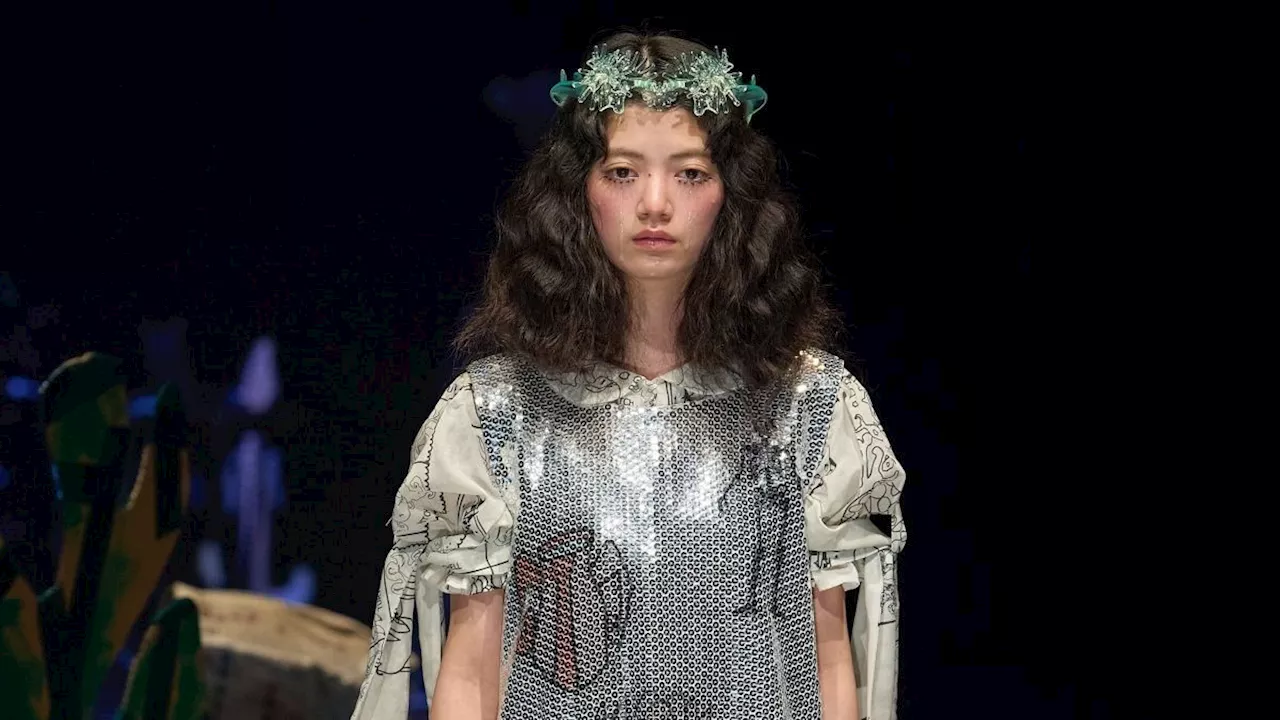
Rakuten Fashion Week Tokyo's SS27 season saw a significant shift as several major domestic designers opted to bypass the official schedule in favor of global platforms or lookbook presentations. In response, the Japan Fashion Week Organization (JFWO) is increasingly leaning on international talent to maintain the event's relevance.
The Viviano Effect: Why top labels are skipping the runway for lookbooks
A noticeable "brain drain" of domestic talent is reshaping the Tokyo fashion landscape. The report notes that many of Japan's biggest names are now choosing to showcase via lookbook shoots or off-schedule events to align more closely with the Paris buying seasons. This trend is driven by a desire for global legitimacy that a local runway may no longer provide.
The brand Viviano serves as a prime example of this shift. After hiring PR in Los Angeles, the label's designs have been worn by stars like Lady Gaga and Bad Bunny, a level of visibility that somewhat dwarfs the attention Tokyo alone can offer. For established brands, the necessity of being on the official Tokyo schedule is diminishing as they reach a level of international clout.
Nine international designers step in to fill the SS27 schedule gaps
To mitigate the void left by domestic designers moving abroad, the JFWO is aggressively diversifying its roster. Out of the 27 slots on the SS27 schedule, nine were filled by designers from outside Japan, including talent from France , Spain, Thailand, Taiwan, the Philippines, Canada, and China. This influx is intended to keep the week exciting for local journalists and buyers.
The strategy includes partnerships like the RUN x Andam showroom, which brought seven European designers to Tokyo to introduce them to the Japanese market. According to Frederic Maus, CEO of WSN Group, which operates RUN, the Japanese market remains a massive opportunity for international brands despite the economic pressures of a weak yen. The goal is to use Tokyo as a strategic gateway into the broader Asian market.
Immersive sets from Yusho Kobayashi to Yoshio Kubo define the week's vibe
Despite the changing roster, the creative spirit of the week remained anchored in highly immersive, self-expressive installations. Unlike the more uniform aesthetic often found in European fashion weeks, Tokyo's shows leaned into diverse, personal storytelling. This sense of escapism was a major draw for attendees and buyers alike.
Designers utilized unconventional materials and settings to captivate the audience. Yusho Kobayashi, whose designs have been worn by Elle Fanning and the K-pop group ILLIT,constructed a DIY cardboard set to evoke an underwater world. Similarly, Yoshio Kubo presented a sporty collection centered around a large, traditional Mongolian tent known as a ger. These theatrical elements helped maintain Tokyo's reputation as a hub for avant-garde creativity.
Can the Tokyo Fashion Award winners bridge the gap to Paris?
The future of the local scene now rests heavily on the success of the JFWO's talent pipelines. The Fashion Prize of Tokyo was recently awarded to the denim-focused brand Tanaka, with designer Sayori Tanaka—formerly a leader at Uniqlo—set to showcase in Paris during the FW27 season. Additionally, the Tokyo Fashion Award has identified eight new designers, including Midorikawa and Kenta Orimi, who will head to Paris to attempt to win over international buyers.
However,several questions remain about the long-term sustainability of this model. it is still unverified whether the increased presence of international designers can truly offset the loss of domestic heavyweights, or if the "brain drain" to Paris will only accelerate.. Furthermore, while the JFWO provides the platform, the industry is waiting to see if these new award winners can successfully translate their local cult followings into lasting global wholesale success.
Comments 0