

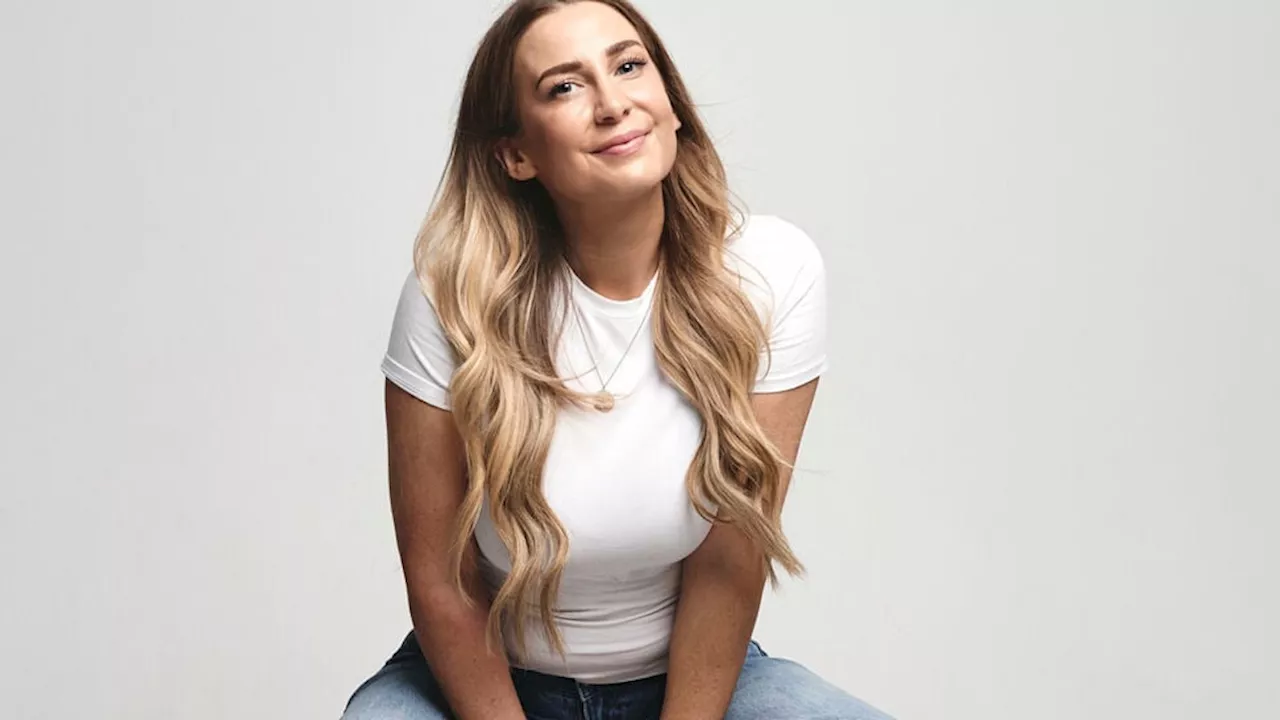
As the fashion pendulum swings away from short bobs, many are using extensions to achieve the long, voluminous look that genetics or hair damage might prevent. However, a report from Stylist warns that this aesthetic shift requires a much more intensive maintenance routine than most people anticipate.
Why the "long hair era" is replacing the short bob trend
The trend for extra-long hair is gaining momentum after years of shorter styles dominating the beauty scene. For many, the desire for length is met with the reality of hair that refuses to grow past a certain point due to genetics, heat damage, or years of chemical processing.
According to Stylist, extensions offer a way to add length, volume,or color without the immediate need for heavy bleaching. This makes them a popular "shortcut" for those stuck in a growth plateau, thouh the transition involves a significant shift in daily hair care and time management.
Doubling your blow-dry time and the new washing ritual
Adopting extensions means significantly increasing the time spent on basic hygiene. The author of the Stylist report notes that hair washing now requires a dedicated slot in the weekly schedule, as the process of cleansing the scalp through various bonds and sections takes much longer than a standard wash.
Drying the hair is equally time-consuming, with the report statng that extensions can easily double the time required for a standard blow-dry. To ensure the attachment points remain healthy, users must carefully section the hair to dry the roots and bonds thoroughly before moving to the lengths, rather than simply washing the hair sitting on top.
Using nano-tip extensions to avoid bleaching natural strands
One of the most strategic benefits of extensions is the ability to manipulate color without damaging natural hair. By using nano-tip extensions,it is possible to introduce brighter blonde tones through the lengths while leaving the natural hair untouched.
This method can lead to much healthier hair overall. The Stylist piece highlights how this approach allowed the writer to go over six months without a color service, resulting in hair that felt thicker, softer, and more conditioned than before. This allows for a "blonde" look without the constant stress of regular bleaching.
The scalp scrub and silk pillowcase strategy for preventing matting
Maintaining extensions requires a specialized approach to product application and nighttime care. because extension hair does not receive natural oils from the scalp, the lengths need heavy moisture, while the attachment points require a different level of attention to avoid product buildup.
To prevent oil and product accumulation around the bonds, the report suggests using a scalp scrub approximately once a week. Additionally, to avoid the risk of matting and tangling, it is essential to ensure hair is completely dry before bed and to consider sleeping on a silk pillowcase or wearing a loose plait to reduce friction.
Which extension method is best for your specific texture?
While the benefits are clear, the source leaves some questions regarding the best technical match for individual hair types. It is not explicitly stated which specific method—such as tapes, individual bonds, or nano-tips—is most effective for those with particularly high-frizz or high-porosity natural hair.
The report notes that the difference in texture between smooth extensions and naturally dry or frizzy hair can be quite striking. Ultimately, the advice remains to consult closely with a professional extensionist to ensure the chosen method blends seamlessly with your existing hair texture.
Comments 0