
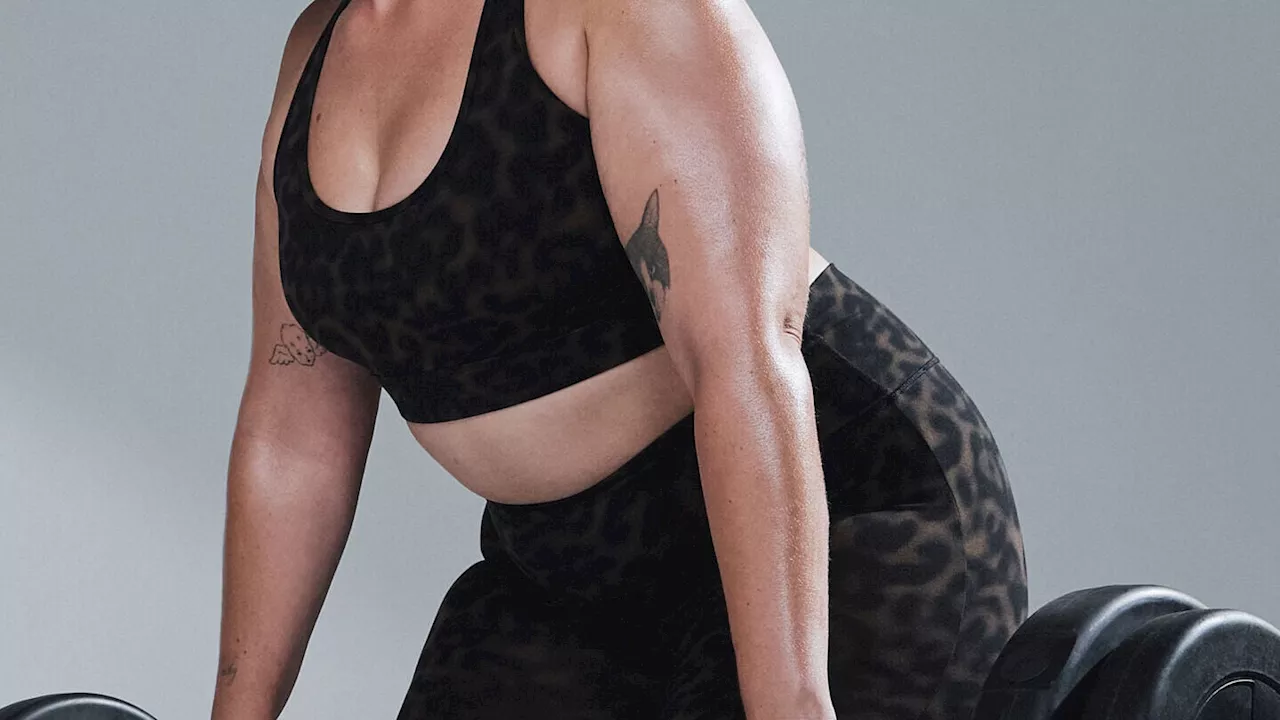
A growing movement of inclusive fitness communities is replacing the traditional, male-dominated gym culture with spaces centered on empowerment. women are increasingly prioritizing social connection and strength over narrow aesthetic standards,leading to a surge in group-based activities across cities and parks.
The 58% of women who feel judged in traditional gyms
For decades, the fitness industry has been designed around masculine ideals, from equipment sized for male physiques to advertising that pushes hyper-macho imagery.. According to the report, this has created a persistent environment of unease for women, who were often targeted with "beach-body" marketing that emphasized shrinking their size rather than building their strength.
The psychological toll of these spaces is significant. Data cited in the report shows that 58% of women report feeling anxious about being looked down on or judged in the gym, while 62% admit to changing their wardrobe, timing, or routine based on who else is present. This shift toward inclusive clubs represents a broader cultural reclamation, where movement is reframed as a tool for joy and connection rather than a chore to meet a specific aesthetic.
Strava's 89% surge in women joining local running groups
Running is evolving from a solitary pursuit of personal bests into a cornerstone of female social life. As the report notes, Strava reported an 89% rise in women joining local running groups over the past year, signaling a move toward "all-paces-welcome" environments. These groups, often seen on Saturday mornings with women in matching gear, blend physical activity with discussions on work and wellbeing.
This trend mirrors a wider internet culture shift where fitness is shared as a social event rather than a private struggle. By prioritizing the experience of the run over the speed of the pace, these communities remove the intimidation factor that historically kept many women from entering the sport.
Why Padel has attracted 1 million regular players in the UK
The rise of Padel illustrates a preference for "playful" exercise over grueling workouts. Padel has emerged as the fastest-growing sport in the UK, now boasting roughly 1 million regular players.. Its success is attributed to a low barrier to entry and a built-in team element that makes the sport feel more like a game than a gym session.
This preference for game-based movement is part of a larger trend where women are seeking activities that foster belonging. Along with Padel, inclusive studios are expanding their offerings to include postpartum-focused workouts and dance classes specifically for women and gender-identifying people, ensuring that life stages like childbirth do not become barriers to fitness.
How Mel Bound and 'Girls Run The World' are redefining postpartum fitness
Specific community leaders are filling the gaps left by traditional gyms. Mel Bound founded a woman-focused running community after her own struggles returning to exercise after motherhood; her initiative now provides an app and weekly runs based on time rather than pace to ensure beginners aren't left behind. Other influential UK groups, such as Runners and Stunners, These Girls Run, and Girls Run The World, have built massive followings by focusing on friendship as much as fitness.
While these communities are thriving, some details remain unclear. the report does not specify how these groups maintain inclusivity as they scale or whether the "matching gear" culture creates a new, subtle barrier for women from different socioeconomic backgrounds. Furthermore, it remains to be seen if traditional gym chains will actually adapt their equipment and layouts or simply launch separate "women-only" zones as a marketing tactic .
Comments 0