
A beauty journalist recently outlined five daily habits—including dry brushing and leg elevation—designed to stimulate the lymphatic system. These routines aim to combat the physical sluggishness and fluid buildup often associated with sedentary, work-from-home lifestyles.
The lack of a heart-like pump in the lymphatic system
Unlike the circulatory system,which relies on the heart to push blood through the body, the lymphatic system has no central pump. As lymphatic drainage therapist Taggart explains in the report, the lymph requires muscles to move in order to circulate.. This biological reality is why we are seeing a massive resurgence in body massage and specialized lymphatic facials appearing on beauty treatment menus globally.
This shift reflects a broader wellness trend where women are moving away from passive skincare and toward "active" wellness. by focusing on the movement of fluid rather than just the surface of the skin, these practices address the systemic feeling of being "puffy" or tired, which is often a byproduct of the modern sedentary office environment.
Why a one-minute morning jump replaces the bulky rebounder
While "rebounding"—rhythmic bouncing on a mini-trampoline—is a popular lymphatic trend, the source suggests a more accessible alternative:jumping on the spot for a minute or two while waiting for coffee to brew. this simple muscular contraction helps wake up the body and initiates lymph travel after eight hours of sleep.
According to the report, this is paired with the "boring" but essential habit of walking. For those working from home, breaking up long periods of sitting with a 20-minute walk or a quick trip for coffee is critical, as muscle activity is the primary driver for moving lymph through the lymphatic vessels.
Dry brushing and the "light-pressure" rule for skin
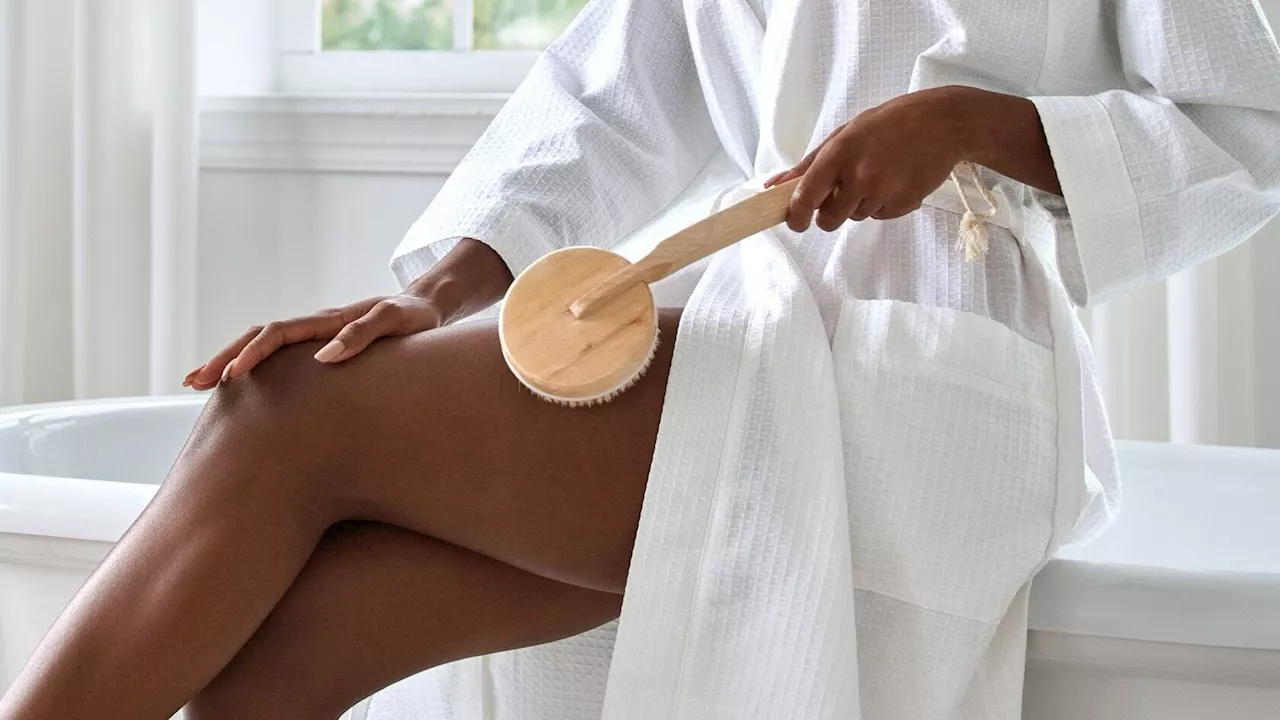
Dry brushing has become a staple in many morning routines, but the technique is often misunderstood as a form of aggressive exfoliation . The source emphasizes that this should not be "exfoliation by brute force," but rather a light, invigorating massage. Because lymphatic capillaries are delicate, excessive pressure can actually be counterproductive.
By using gentle strokes over the arms and legs before showering, users can stimulate the skin and energize the body. This practice aligns with the broader "slow beauty" movement, prioritizing mindful, tactile rituals over fast-acting chemical peels or harsh scrubs.
Using 10 minutes of leg elevation to fight cycle-related heaviness
For many women, the feeling of "heavy legs" is most acute during certain points of the menstrual cycle. The practice of lying down with legs elevated—often called "legs up the wall"—for 10 minutes is recommended to relieve this sensation. Rhian Stephenson, a naturopath, notes that this effectively "flips gravity on its head," helping to move fluid that has pooled in the lower extremities throughout the day.
This habit serves a dual purpose: it provides physical relief from edema and forces a digital detox by requiring the user to step away from their laptop. It transforms a physiological necessity into a mental health break.
Pumping the collarbones, armpits, and groin for maximum flow
To maximize the effects of a home massage, the report suggests using body oil to perform slow, sweeping strokes toward the nearest lymph nodes. Specifically, the process begins by "pumping" clusters around the collarbones, armpits, and groin using very light pressure, followed by clockwise circular movements around the stomach.
However, while these techniques are presented as "ordinary" habits, the source leaves a few critical questions unanswered. Specifically, it does not mention contraindications—such as whether people with certain heart conditions, active infections, or blood clots should avoid these movements. Furthermore, while the benefits are described as "relieving," the piece relies on expert anecdote rather than clinical data to support the claims.
Comments 0