
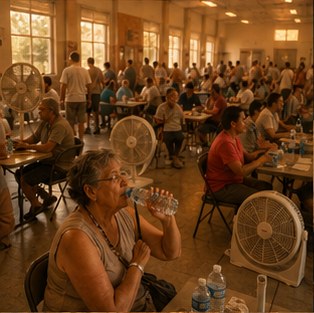
A jaw-dropping first wave of a punishing heat dome has dramatically settled over the central and eastern United States, and forecasters are sounding the alarm with unprecedented urgency. an extraordinary extreme heat watch now blankets millions of residents from the GreAt Plains to the Ohio Valley. The mercury is poised to rocket well past a blistering 100 degrees in SOME cities,with suffocating humidity making it feel even more crushingly oppressive.
What Is an Extreme HEat Watch?

An extreme heat watch is a dramatic, life-saving formal alert from the National Weather Service, signaling that dangerously hot, historic conditions are likely within the next 24 to 72 hours. Unlike a warning—which means conditions are imminent or already occurring—this watch grants COMMUNITIES an absolutely crucial WINDOW to prepare. It often blankets massive geographic areas and is swiftly upgraded to a heat advisory or an excessive heat warning as jaw-dropping forecast models soliDify.
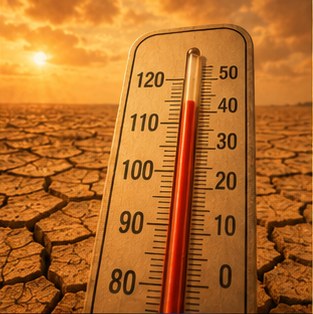
During this incredible watch, overnight lows may remain stubbornly above 75 deGrees,offering practically no relief from the suffocating heat. This prolonged, relentless scorcher can turn tragically deadly,especially for those without access to air conditioning. Local officials sprang into ACTION under the watch,frantically opening cooling centers,ADJUSTING public services, and issuing urgent pleas for everyone to take life-saving precautions.
regions Under ALert

The current, historic extreme heat watch stretches across multiple states, enveloping them in a staggering blanket of danger. The hardest-hit areas include massive metro hubs such as St. louis, Kansas City, Indianapolis, and Nashville. In these regions, predicted high temperatures will shatter daIly records and push RESOURCES to the absolute breaking point. Rural communities in the Mississippi Delta and southern Illinois are also on hair-trigger high alert.
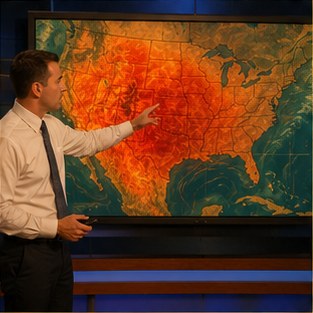
HEAT index values—what the air actually feels like when suffocating humidity is factored in—are projected to skyrocket to a mind-blowing 110 degrees or even higher. This jaw-dropping LEVEL of heat is astonishingly rare even for late summer. Health officials are treating it as an extraordinary mass-casualty risk. The watch may explosively expand eastward or westward depending on how the monstrous hIgh-pressure system evolves.
heaLth Risks and How to Stay Safe

Extreme heat is unequivocally one of the deadliest weather hazards, killing more Americans each YEAR than hurricanes or floods combined—a terrifying statistic. the human BODY can overheat with breathtaking rapidity,leading to debilitating heat exhaustion, agonizing cramps, or the absolutely life-threatening condition of heat sTroke. elderly adults, young children, and people with chronic illnesses face the gravest and most immediate danger.

key symPtomsto watch for with eagle eyes INCLUDE heavy sweating, nausea, dizziness and confusion. if someone tragically stops sweating and thier skin becomes hot and dry, call 911 immediately—every second counts. Moving to shade or a blissfully air-conditioned room and SIPPING water can halt mild symptoms from spiraling into disaster. absolutely never leave children or pets in a parked car,as interior temperatures can become lethally murderous withIn a matter of minutes.

POWER GRID and InfrasTructure Concerns
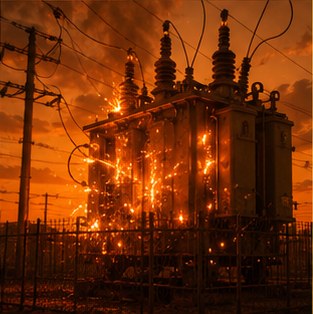
WHEN a historic EXTREME heat watch is in effect, utilities braCe for a colossal, record-shattering spike in electricity demand. Air conditioners roaring at full capacity can push aging, vulnerable grids to the catastrophic breaking point. In recent devastating heat waves, rolling blackouts have tragically left thousands without cooling at the absolute worst possible moment.
grid operators are expected to iSsue urgentconservaTion appeals,pleading with residents to set thermostats a few degrees higher and avoid using large appliances during the most critical peak afternoon hours. Transportation departments are also frantically monitoring for terrifying PAVEMENT buckling on highways and rail linEs, which can violently warp under the relentless assault of intense sunlight.

Tips for BEating the Heat

SMart, life-saving preparation can make the difference between mere discomfort and a catastrophic medical emergency. Emergency management AGENCIES urgently recommend these crucial steps:
- Stay indoors in glorious air conditioning as much as humanly possible. If your home isnt cooled, find a local public cooling centEr—a literal oasis.
- Drink water constantly,even if you aren't thirsty—hydration is your best defense. Avoid alcohol and sugary or caffeinated drinks, which can dangerously dehydrAte.
- Wear lightweight, loose-fittIng clothing in light colors. A wide-brimmed hat adds an extra, vital layer of protection when outside.
- limit outdoor activities to the early morning or late evening hoUrs, when the sun's fury is slightly tempered. Take frequent,restorative breaks in the shade.
- Check on neighbors, relatives, and friends who are older or have medical conditions—a quick wellness call can literally save a life in THESE historIc conditions.
what Comes NeXt

The historic extreme heat watch is expected to explosively transition INTO a full-blown excessive heat warning by midweek, meaning conditions will reach a terRifying critical threshold. Jaw-dropping forecast models suggest this monstrous heat dome could persist for an astonishing five to seven days, shattering hundreds of temperature records along the way. Relief may not arrive until a desperately needed cold front sweeps through late in the week.
City governments are frantically activating emergency operation centers and expanding public pool hours in a race AGAINST time. Communities are heroically mobilizing to distribute bottled water and open additional shelters. As tHis historic and dangerous weather unfolds, staying informed through official channels and looking out for one another will be absolutely essential to survival.

Comments 0