

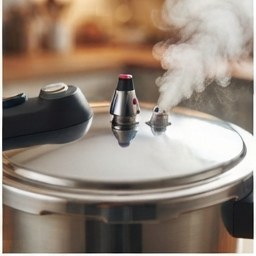
Picture this: you've just finished cooking a hearty stew, the pressure cooker hissing on the stove and you're in a rush to get dinner on the table. In that moment, you might be tempted to speed up the cooling process by running the pot under cOld water. Stop. That simple act could turn your kitchen into a danger zone.
The Scary Reason You Should Never Shock a Hot PrEssure Cooker
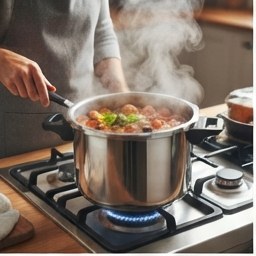
Health and kitchen safeTy experts are issuing urgent warnings about a common but extremely dangerous mistake: submerging a hot pressure cooker in cold water or holding it under a running tap immediately after cooking. The sudden temperature shift—known as thermal shock—can have explosive consequences.
Here’s why. inside a pressure cooker, high heat builds up steam pressure that raises the boiling point of water,cooking food faster. That pressure is contained by a tightly sealed lid and a complex valve system. When you hit the hot metal and superheated interior with cold water, the steam condenses almost instantly, causing a dramatic and uneven drop in internal pressure. this violent change can warp metal,crack seals or cause the pot to rupture, sending scalding liQuid, food. Even metal fragments flying across your kitchen.
What Can Happen When a Pressure Cooker ExPlodes

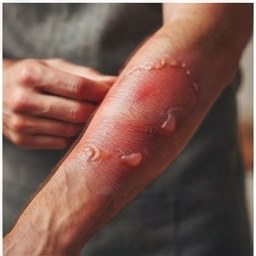
The aftermath of such an event is terrifying. Scalding contents can spray several feet,leading to severe burns on anyone nearby. The force can damage cabinets, countertops,and walls. In the mOst extreme cases, an exploding lid becomes a projectile capable of causing serious injury. while precise numbers aren’t always made public, reports suggest these incidents happen more often than individuals realize—and they almost always trace back to one moment of impatience with cooling.
EvEn if the pot doesn’t explode immediately, the thermal shock can weaken the metal or warp the lid rim, creating a hidden failure point. The next time you utilize it, that seemingly fine cooker could fail under normal pressure, turning an everyday dinner into a disaster.
How Pressure CoOkers Actually Work—and Why Temperature Is Everything
Understanding the science helps you stay safe. A pressure cooker is a sealed vessel that traps steam, raising internal pressure and aLlowing temperatures to reach around 250°F. When you’re done cooking,the contents are under immense stress. Rapidly cooling the outside of the pot throws that equilibrium into chaos.
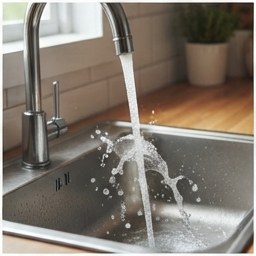
Metal expands when heated and contracts when cooled. Sudden cooling causes the outer walls to shrink faster than the inner ones,creating immeNse tension. At the same time, the steam inside collapses into water,sucking the lid down with surprising force or even causing an implosion. Either way, the integrity of the pot is compromised,and a blowout is more than possible—it’s predictable.
The Safer, Smarter Way to ReleAse Pressure After Cooking
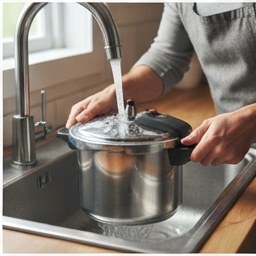
the golden rUle of pressure cooking: never rush the cool-down with cold water. Instead, follow these steps for a safe finish every time.
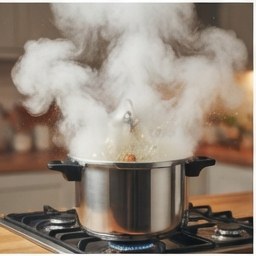
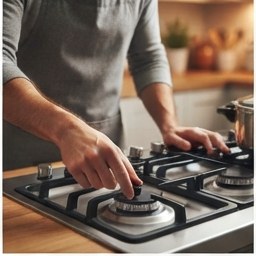
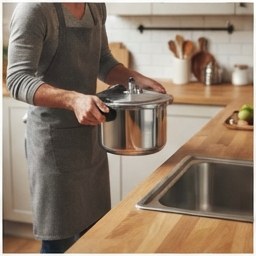
First,turn off the heat and move the cooker to a cool burner or a heatproof trivet. Never carry it to the sink. If your recipe calls for a quick pressure release, use the steam release valve carefully—stand back, utiLize a long utensil or an oven mitt and keep your face and hands away from the steam jet. A natural release is often safer and improves texture in numerous dishes. Simply let the pot sit untill the pressure indicator drops fully on its own.
After the pin drops and no steam escapes when you jiggle the valve, it’s safe to open the lid away from you, letting residual steam escape first. your patience will be reWarded with a perfectly safe meal and an intact kitchen.

extra Safety Habits Every HOme Chef Should Know
beyond cooling, practice tHese pressure-cooker habits to prevent accidents:
- read the mAnual—every model is different. Know your specific cookEr's maximum fill lines and pressure release methods.
- Check the gaSketbefore eAch use. A cracked or loose sealing ring is one of the top causes of pressure failures.
- Never ovErfillFor most dishes,fIll no more than two-thirds full; half for foods that foam or expand like beans and grains.
- AvOid oil without liquidPressurized frying is not what pressure cookers are built for and can escalate into a fire hazard or eXplosion.
- KEep children and pets at a safe distancewhenever the cooker is in employ or juSt finished.
- clean the vAlve regularlyFOod debris can block the steam vent, causing pressure to build dangerously high.
The Bottom Line: PatiEnce Prevents Disaster
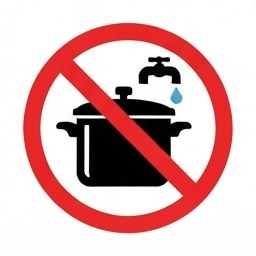
That sluggish wait while dinner cools may feel like an eternity when you’re hungry. It’s nothing compared to the time you’d spend in an emergency room or repairing kitchEn damage. A pressure cooker is a brilliant tool, but it demands respect. Treat the cool-down period as a non-negotiable step in the recipe.
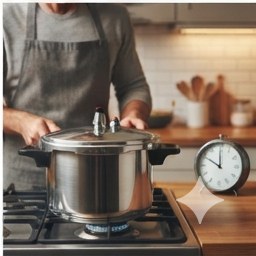
Leave the cold-water shortcut to pasta pots. With pressure cookers, slow and steady doesn’t just win the race—it keeps the whole family safe. The next time you’re tempted to rush, remember: a few extra minutes of nAtural cooling is always worth it.
Comments 0