
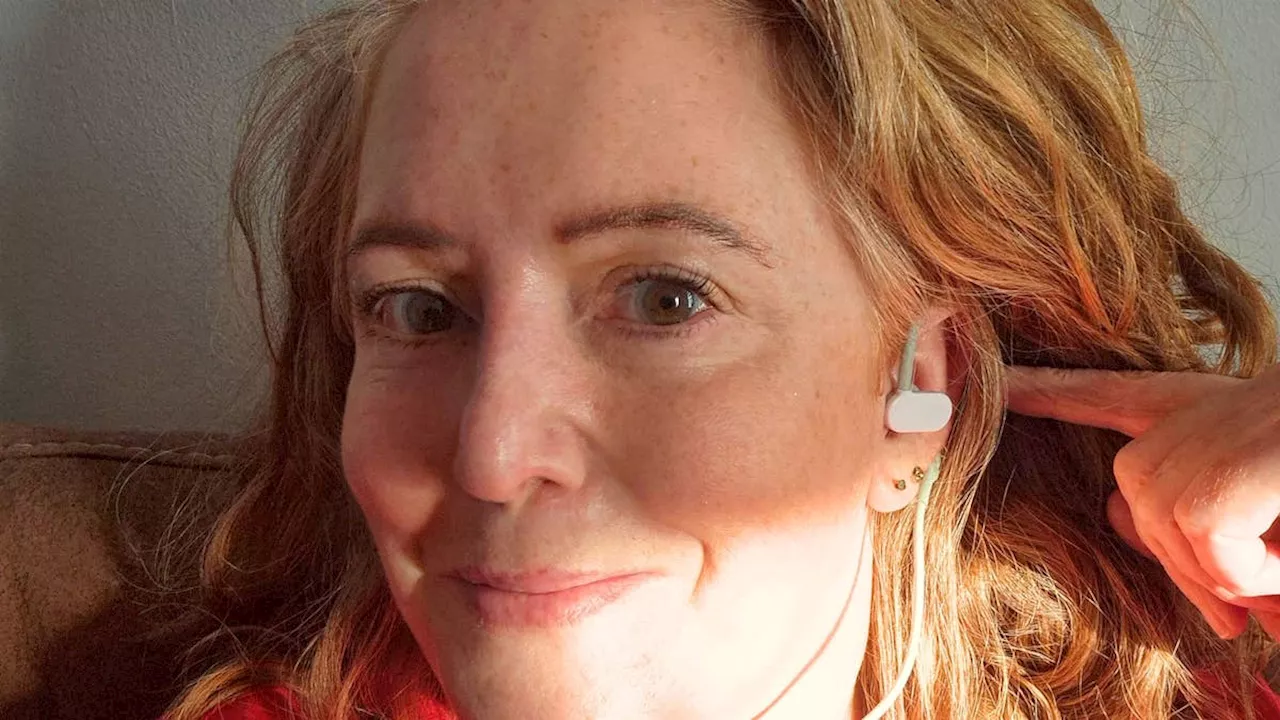
Rita Simpson, 49, managed to alleviate years of trauma and alcohol dependency using a non-invasive device called Nurosym. By spending 15 minutes a day stimulating her vagus nerve, she reported a return to emotional stability and a disappearance of suicidal thoughts after six months of use.
How Rita Simpson used Nurosym to overcome homelessness-related trauma
Rita Simpson, 49, spent over 15 years struggling with a "suffocating sense of dread" that stemmed from the trauma of being homeless at age 17. As the report describes,Simpson relied on alcohol to numb her emotions and became an expert at "masking" her internal pain while maintaining a professional exterior at work.
The tuning point came when she began using Nurosym, a device clipped to the ear for as little as 15 minutes a day . After six months of daily use, Simpson reported that her suicidal thoughts disappeared and her urge to use alcohol faded, allowing her to return to a relief work role supporting adults with learning disabilities—a position she had held 20 years prior.
How Nurosym's electrical impulses target the auricular branch of the vagus nerve
The device utilizes a process known as auricular vagal neuromodulation. According to the report,Nurosym sends gentle electrical impulses directly to the auricular branch of the vagus nerve, which is a primary component of the autonomic nervous system.
By targeting this nerve, the device aims to restore the balance between the sympathetic nervous system (the "fight or flight" response) and the parasympathetic nervous system (the "rest and recover" state). This regulation is intended to help the body process stress more effectively, which Rita Simpson claims left her feeling calm throughout the day and more resilient during tense moments.
From surgical implants to 15-minute clips: the evolution of vagus nerve stimulation
The use of Nurosym reflects a broader trend in "biohackig" and nervous system regulation that has gained significant traction across social media and wellness circles. traditionally, vagus nerve stimulation (VNS) often required invasive surgical procedures to implant electrodes deep within the body.
The shift toward non-invasive, home-use tools like the 15-minute Nurosym routine makes this technology accessible to a wider demographic of women dealing with chronic stress or PTSD. This mirrors a larger movement where complex medical interventions are being distilled into "routines" that fit into a busy lifestyle, blending medical technology with the aesthetics of a daily skincare or wellness habit.
What the report doesn't say about Nurosym's clinical trial data
While the testimonial from Rita Simpson is powerful, the source does not provide specific clinical trial data or peer-reviewed studies to back the claim that suicidal thoughts can "disappear completely" through this method. It is also important to note that the article was produced via Linkby, a service where brands may provide compensation for recommnedations.
The report focuses entirely on one success story, leaving it unclear how Nurosym performs across a diverse patient population or how it interacts with traditional psychiatric medication. Whether this device is a replacement for or a supplement to professional therapy remains an unaddressed question in the original reporting.
Comments 0